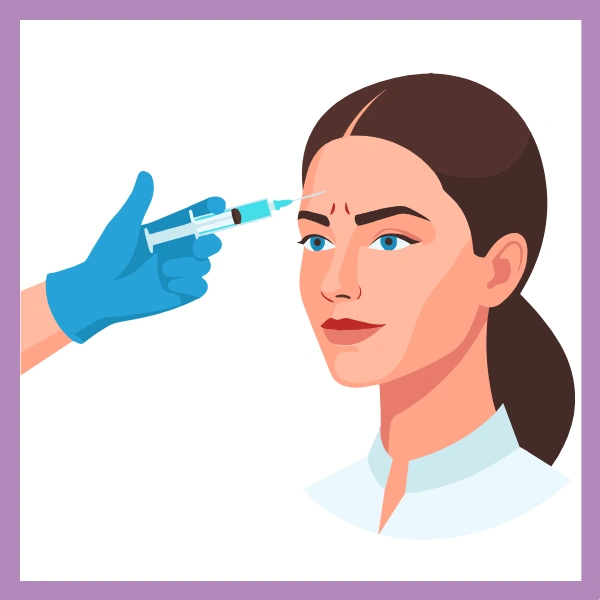
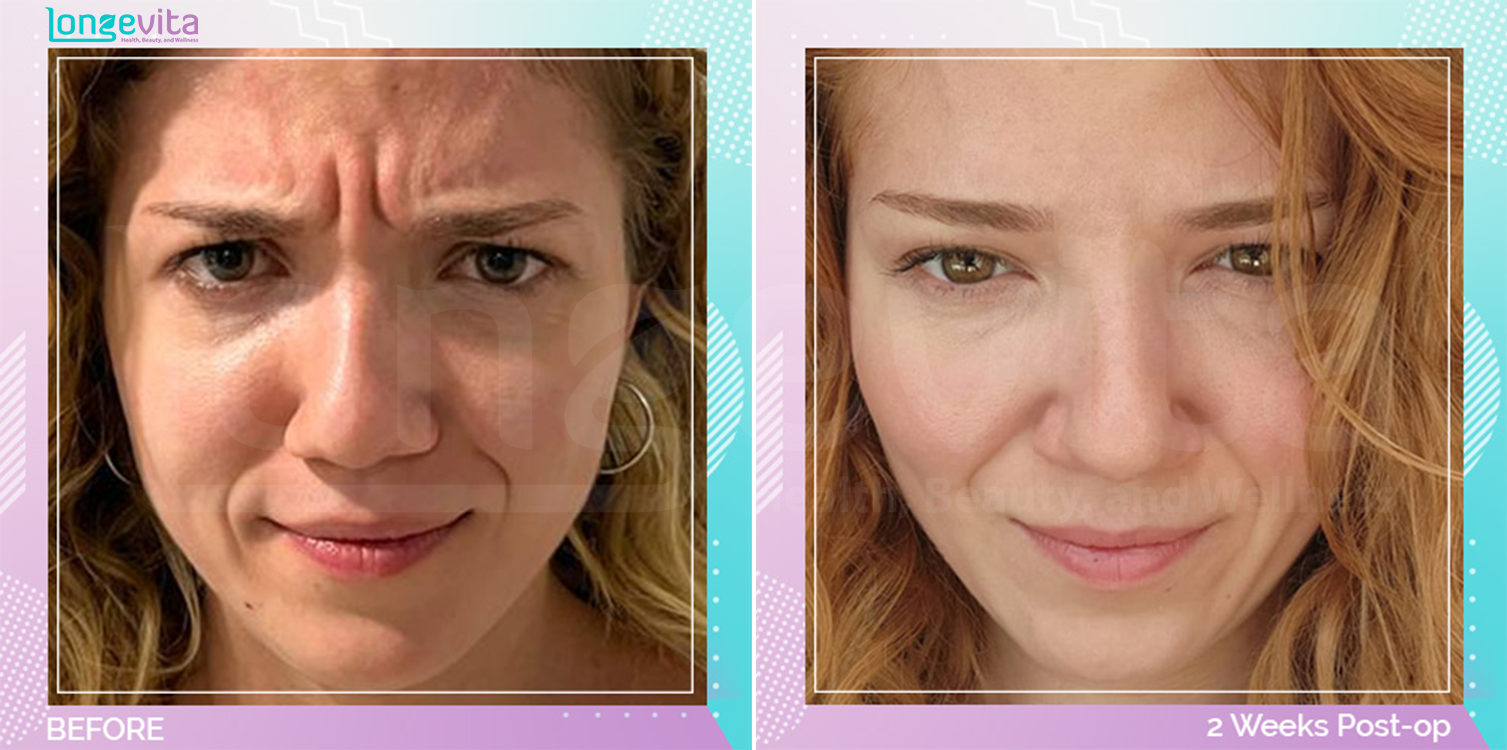
Botox, also known as botulinum toxin, is a non-surgical injectable popularly used to minimise the appearance of wrinkles and fine lines on the face.
It temporarily paralyses the muscle in the target area and can be highly effective in preventing the progression of wrinkles.
Botox is a highly effective treatment, and in the hands of the right practitioner, you can get its injections quite safely.
Quick Facts
What is the downtime with botox?
Injections of botox don’t require any downtime – it’s popularly considered a “lunchtime” treatment.
Does botox hurt?
The needles used for botox injections are quite small, so the pain is minimal. To make the experience entirely painless, however, the target area can be numbed with a topical anaesthetic or a cold pack before the injections.
How long does botox take to work?
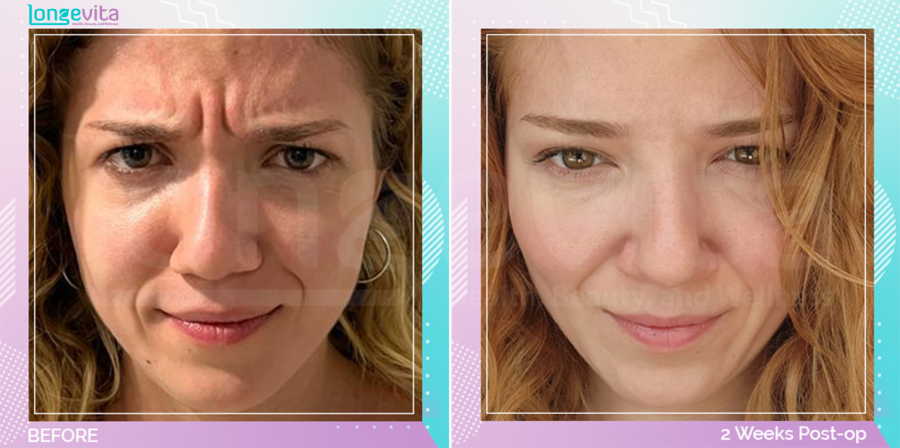
It can take 2 to 3 days for botox to start working, but full results can be seen after 2 weeks.
How long does botox last?
Botox injections can typically last for 3 to 6 months.
Which Type of Botox Will My Clinician Use?
Note that there are two main types of botox: botulinum toxin type A and botulinum toxin type B. Dysport, Botox, Xeomin, and Bocoture are among the most popular brands of type A botox, which is commonly used for cosmetic purposes.
As opposed to type A botox, type B botox is usually used therapeutically, such as treating muscle diseases, rather than for any cosmetic purpose.
At Dr Gizem’s Medical Aesthetics Clinic in London, a variety of botox type A neurotoxins are available, depending on their desired results and needs.
How Does Botox Work?
Botox works by blocking signals from the nerves to the muscles, causing them to become paralysed and unable to contract. As a result, the wrinkles in an area relax and soften, diminishing their appearance. There is, however, one type of wrinkle that responds best to botox, namely dynamic wrinkles.
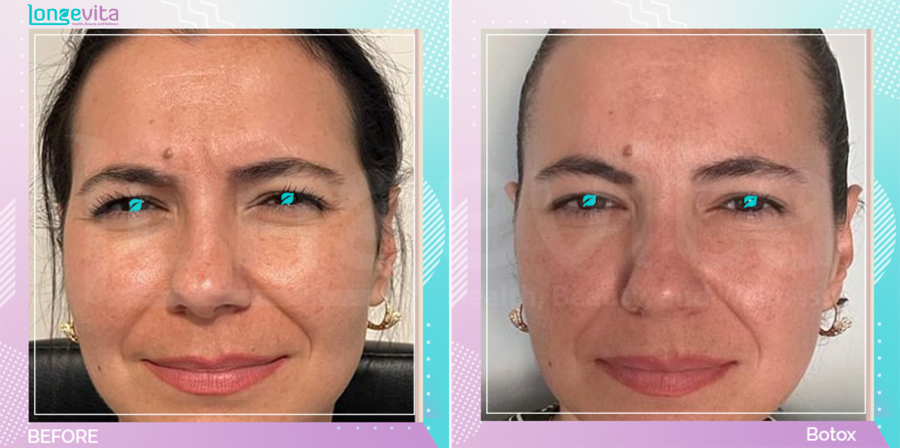
Mainly, there are two types of wrinkles: dynamic wrinkles and static wrinkles. A botox injection is considered ideal for treating dynamic wrinkles resulting from repeated facial expressions, such as squinting, laughing or frowning.
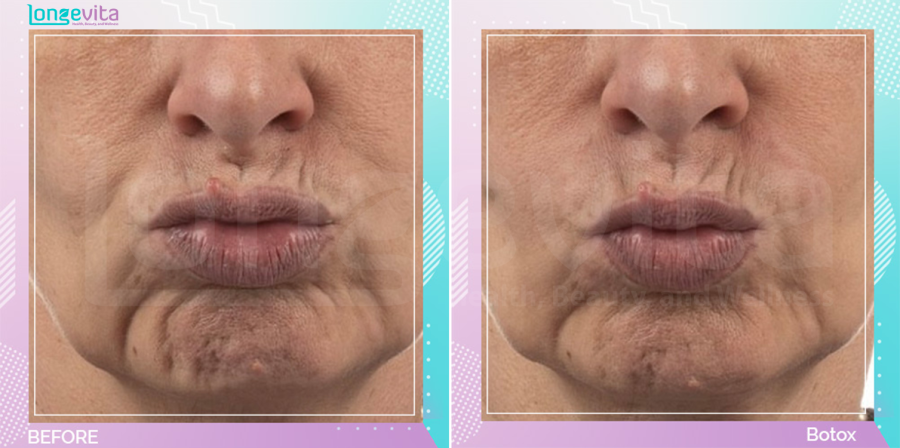
However, along with dermal fillers, botox can also help with static wrinkles — wrinkles that remain on the face despite no muscle activity — as they relax the muscle in the target area.
What Does Botox Do?
cosmetic applications of botox:
Smoothing deep set wrinkles and fine lines (crow’s feet, marionette lines, bunny lines, forehead and frown lines, smile lines)
Once you arrive at the clinic, your clinician may begin your treatment with the application of a topical anaesthetic or a cold pack to avoid pain and discomfort.
Following that, in pre-marked areas of the face, botulinum toxin is injected into each site. The amount of botox required can vary depending on the area being treated, as well as the patient’s unique anatomy.
The entire session can take anywhere from 15 to 30 minutes.
How Often Can You Have Botox?
To maintain the results of your botox treatment, you might need injections every 3 to 6 months — as that’s how long botox typically lasts. It should, however, be noted that results tend to last longer with subsequent treatments due to muscle weakening.
Are There Any Side Effects Of Botox?
Most individuals do not experience any side effects after getting botox treatment. However, some individuals can most commonly experience the following:
Slight tenderness — can last for a couple of days after treatment
Pinpoint bleeding — only occurs very briefly
Transient swelling — typically resolves within 48 hours
Temporary bruising — can take a few days to a few weeks to resolve
Headache — can last for a few days to a week (pain medications can be taken)
If you’re not sure about any aspect of your recovery, it’s important to get in touch with your healthcare provider.
What Not To Do After Botox?
Following your botox injections, you will be given certain aftercare instructions by your clinician. These can include:
Avoiding rubbing the area
You should not rub or touch the injection site for 24 hours after your treatment.
Avoiding strenuous activity
You should not engage in any stressful exercise for 1 day.
Not lying down
Stay upright for 4 to 5 hours after getting injections so the toxin stays in place.
Not applying any makeup
Do not wear any makeup on the day you receive treatment.
Avoiding showering immediately
Do not shower on the day you get botox. You should also not go swimming for 2 weeks afterwards.
Avoiding direct sunlight
You should not go out in direct sunlight for 2 weeks after getting botox.
* Aftercare instructions can vary between practitioners, so make sure to follow the advice of your practitioner.
If you have any other questions, concerns or queries regarding your aftercare, you can always get in touch with us at support@longevita.co.uk.
Botox treatment is available at £250 per session at Dr Gizem’s Medical Aesthetics Clinic in Chelsea, London. Dr Gizem Seymenoglu, an independent facial aesthetics practitioner, who has over a decade of experience in the field, administers these injections.
Botox is made up of highly purified botulinum toxin protein.
What is baby botox?
A baby botox treatment is a preventive measure against signs of ageing like wrinkles and fine lines by injecting small amounts of botox while you are young.
Is botox safe?
Botox injections are generally considered to be safe, although it is important to choose a licensed, qualified and experienced practitioner.
Can botox cause cancer?
To our knowledge, there is no scientific evidence linking the injection of botox with the development of cancer. You should further talk to your provider about this, however.
Is botox bad for you?
Botox is considered a safe treatment, and it works well in temporarily paralysing muscles and minimising wrinkles and fine lines.
Can you fly after botox?
After receiving botox injections, flying is generally considered fine. However, you should always check with your provider.
Can botox be reversed?
Unlike dermal fillers, it is not possible to reverse botox. However, since the effects of the treatment are temporary, they should go away on their own after 3-6 months.
Can botox go wrong?
It is possible for botox to go wrong when administered by an inexperienced practitioner, and you may experience issues such as droopy eyelids, a “frozen” appearance and spock-like eyebrows. The importance of finding a qualified provider should not be underestimated.
Hello would you like a free e-consult?
Hello would you like a free treatment plan and a price quote?
Tap the icon at the right bottom to make an enquiry.