

Nose Job (Rhinoplasty) In Turkey
Independent clinicians’ prices for a nose job (rhinoplasty) arranged through Longevita in Turkey start from £2,450, against £4,000 to £7,000 in the UK.
A nose job, or rhinoplasty, is an operation to change the shape or size of the nose, and sometimes to improve breathing at the same time. The NHS describes it as reshaping the bone and cartilage, through cuts inside the nostrils or a small cut between them. The steps of the operation are the same wherever it’s done. What changes is the trip around it: checking a surgeon you can’t easily visit, staying long enough for the splint to come off, flying home, and knowing who to call when you’re back.
What Is A Nose Job?
This page is about those decisions. For what rhinoplasty involves, what it can change and how the techniques compare, see our rhinoplasty guide.
Your Nose Job Trip At A Glance
Nights in Istanbul
7 to 10
Nights in hospital
1
Splint removed
5 or 6 days after surgery (day 7 or 8 of the trip), at your check-up in Istanbul
Earliest flight home
7 to 10 days after surgery (NHS)
Time off work in total
About 2 weeks, including travel
Visible bruising
Up to 3 weeks (NHS)
Final shape
Settles over 6 to 12 months, longer with thick skin
Independent clinicians’ prices through Longevita
From £2,450
Cost in the UK
£4,000 to £7,000 (NHS)
Why Do People From The UK Have A Nose Job In Turkey?
Most people from the UK choose Turkey for a nose job because of price. Independent clinicians’ prices for rhinoplasty arranged through Longevita in Turkey start from £2,450, while the NHS puts UK prices at £4,000 to £7,000. Istanbul is also a well-established destination for rhinoplasty. The NHS doesn’t fund nose reshaping for cosmetic reasons, so for most people the real comparison is Turkey against UK private surgery.
The saving is real. So is what you give up for it: your surgeon is a 4-hour flight away once you’re home, and the checks a UK hospital does on your behalf become your job. A lower price is a reason to look at Turkey. On its own, it isn’t a reason to choose a particular clinic.
How Much Does A Nose Job Cost In Turkey?
Independent clinicians’ prices for rhinoplasty arranged through Longevita in Turkey start from £2,450. The figure moves with what your nose needs. Septum work for breathing, cartilage grafts (rib cartilage most of all), a revision of earlier surgery, extra nights in hospital all push it up. See the price calculator for current prices.
Quotes across the Turkish market look alike on the surface and differ underneath. The table below is a general checklist for comparing any 2 quotes, from any provider. Hotels appear in it because some providers bundle them. They are not part of treatment arranged through Longevita: flights, accommodation and transfers are your own arrangements.
| Cost item | Ask whether it’s included |
|---|---|
| Surgeon’s fee and anaesthetist | Should be in every quote |
| Hospital night, operating theatre and pre-op blood tests | Should be in every quote |
| Accommodation nights, and how many | Your own arrangement. Budget for 7 to 10 |
| Splint, dressings and discharge medication | Varies |
| Check-up and splint removal | Should be included |
| Septum surgery or cartilage grafts | Often priced separately once the surgeon has examined you |
| Treatment for a complication | Ask in writing |
| Revision surgery, if you need one later | Ask in writing, including who pays the flights |
| Flights and travel insurance | Not included. Budget for them |
2 questions matter more than the headline price. Is the quote fixed once the surgeon has examined you in person? And what happens, and at whose cost, if something goes wrong after you’ve flown home?
Is A Nose Job In Turkey Right For You?
A nose job in Turkey is a good fit if you have a clear, specific goal, you’re an adult in good health, you can take about 2 weeks off including a week or more in Istanbul, and you’re comfortable having follow-up mostly by message and video.
Think again, or talk to your GP first, if any of these apply:
- You’d have to fly home within a week.
- You can’t take enough time off to rest.
- You’ve had nose surgery before and the problem is complex. A revision needs more planning, and possibly more than one visit.
- You smoke and can’t stop for several weeks before and after surgery.
- Thoughts about your nose take up hours of your day, or earlier cosmetic treatment didn’t settle them.
Piezo, Preservation, “Turkish Nose”: What’s Worth Knowing?
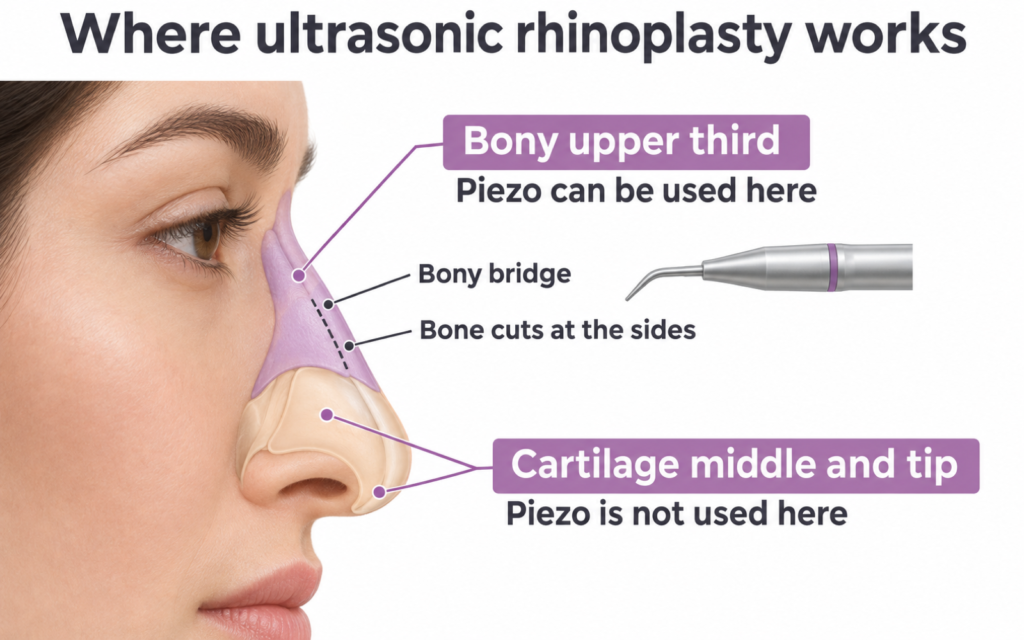
Piezo (ultrasonic) rhinoplasty: A tool that shapes bone with ultrasound in place of a chisel. A meta-analysis of 12 randomised trials found less bruising and swelling in the first week. There’s no evidence that it gives a better final nose.
Preservation rhinoplasty: A way of lowering a bump by dropping the whole bridge down. It gives results comparable to conventional hump removal in the short term, but the bump returns in around 4% of cases.
Open or closed: Pooled studies of more than 1,000 patients show no significant difference in results. The right choice depends on your nose.
The “Turkish nose” or “Istanbul nose”: Social media uses these for a small, sharply upturned look. It’s a trend, not a technique, and it doesn’t suit every face or skin type. Take in photos of what you like, and listen if the surgeon explains why it won’t work on you.
Piezo (ultrasonic) rhinoplasty, widely marketed in Turkey, reduces bruising and swelling in the first week according to a meta-analysis of 12 randomised trials, but there is no evidence it improves the final shape. Open and closed rhinoplasty show no significant difference in outcomes across studies of more than 1,000 patients. Technique names should not be the deciding factor when choosing a surgeon.
How Is Rhinoplasty Performed?
Rhinoplasty reshapes the nasal framework through open or closed incisions, generally under a general anaesthetic. The exact steps depend on whether the plan involves the bridge, tip, nostrils or airway.
-
Final consultation
You go through the plan with the surgeon again, and photographs are taken. Many surgeons use a computer simulation. Treat it as a way of making sure you’re both picturing the same nose, not a preview of the result.
-
Anaesthetic
Rhinoplasty is done under general anaesthetic, so you’re asleep throughout.
-
Incisions
Closed rhinoplasty uses cuts inside the nostrils only. Open adds the small cut across the columella.
-
Reshaping
Cartilage and bone are removed, reshaped or added to. If the bones need narrowing or straightening, they’re cut and moved. Grafts go wherever support or height is needed.
-
Closing
The incisions are stitched. Stitches inside the nose dissolve over the following weeks.
-
Splint
A rigid splint goes on the outside of the nose to hold the new shape. Soft splints or light packing inside are sometimes added for a few days.
Is It Safe To Have A Nose Job In Turkey?
Rhinoplasty carries surgical risks wherever it's performed. No study directly compares rhinoplasty risk in Turkey and the UK. Serious complications are uncommon: a US registry study of 4,978 patients published in Aesthetic Surgery Journal found major complications in about 0.7%. Having it abroad adds practical risks of its own, and they come from the trip: rushed timelines, flying too soon, and distance from your surgeon if something goes wrong afterwards. Planning for each of those reduces the added risk. It doesn't remove it.
Our rhinoplasty guide sets out the full risk and revision figures.
How Do You Check A Surgeon And Hospital In Turkey?
Check 4 things before you pay anything: the hospital’s licence for international patients, the surgeon’s specialty, their rhinoplasty experience, and what happens if you need help later. The NHS puts it plainly: don’t pay for a hospital you’ve never seen, or a surgeon you haven’t met. Turkey's Ministry of Health requires every healthcare facility treating international patients to hold an International Health Tourism Authorisation Certificate, so ask to see it.
| What to check | How | Why it matters |
|---|---|---|
| The surgeon is a specialist in nose surgery | Ask for their specialty (plastic surgery, or ENT with facial plastics) and their professional memberships, such as the Turkish plastic surgery society (TPRECD) or ISAPS | Rhinoplasty is specialist work. General cosmetic doctors are not the same thing |
| They do rhinoplasty regularly | Ask roughly how many they perform a year, and ask to see results on noses and skin like yours | Results on thick-skinned or ethnic noses differ from textbook cases |
| You meet the surgeon, not only a coordinator | A video consultation before you book, then a face-to-face one before surgery | The NHS advises 2 consultations with the surgeon treating you before any surgery |
| Follow-up is agreed in writing | Who you contact, how, and what’s covered if you need treatment or a revision | This is the part most likely to go wrong once you’re home |
Red Flags When Booking A Nose Job In Turkey
| You see this | What it tells you |
|---|---|
| A firm price before anyone has seen photos of your nose | You’re being sold a product, not assessed as a patient |
| The first time you’ll meet the surgeon is on the day of surgery | No time to reconsider. The NHS advises against it |
| Surgery the day you land | No room for a proper consultation, and you’ll be tired |
| “All-inclusive holiday” with sightseeing | The first week is for rest, not tours |
| A discount that expires within days | Pressure. A good clinic will still be there next month |
| No clear answer on revision or complications | You’ll find out the policy when you need it |
| Flying home 3 or 4 days after surgery | Below NHS guidance, and the splint won’t be off yet |
Patient Journey
"I had a rhinoplasty with this company last year and it’s the best decision I have ever made! The staff were so helpful and accommodating throughout the whole process and I haven’t looked back. It was a very pleasant experience and I would recommend it to anyone! My nose has given me so much confidence and I’m so happy with the end result!"


Independent Clinicians Who Perform Nose Job
-
Prof. Dr. Fuat Yüksel
Board-Certified Plastic Surgeon
Istanbul
-
Prof. Dr. Sinan Öksüz
Plastic, Reconstruction and Aesthetic Surgeon
Istanbul
-
Assoc. Prof. Dr. Candemir Ceran
Board-Certified Plastic Surgeon
Istanbul
-

Dr. Ercan Demiray
Plastic, Reconstruction and Aesthetic Surgeon
Istanbul
Rhinoplasty in Turkey Before and After Photos
Rhinoplasty results are long-lasting, though individual outcomes vary and the nose still changes with age.
While the before-and-after photos of other patients can provide you with a good reference point for the independent clinician, keep in mind that results can vary between patients.
Filters
Categories
-
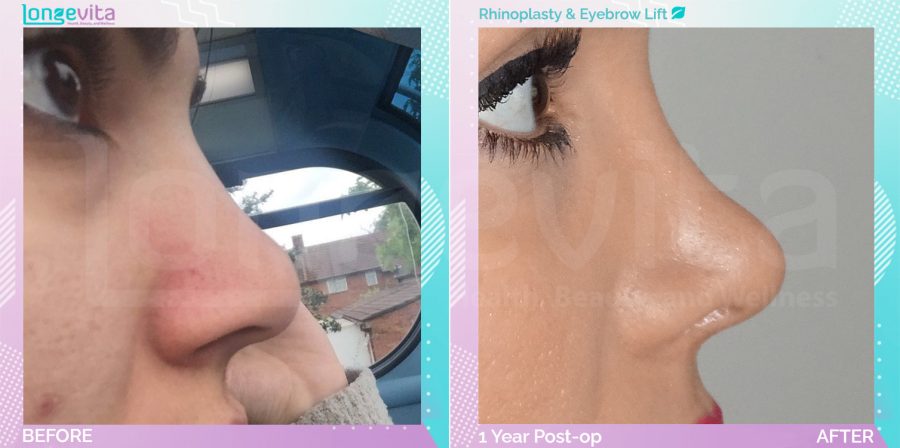
Eyebow Lift & Rhinoplasty 12 Months after the procedure - Age
- 18–29
- Gender
- Female
-
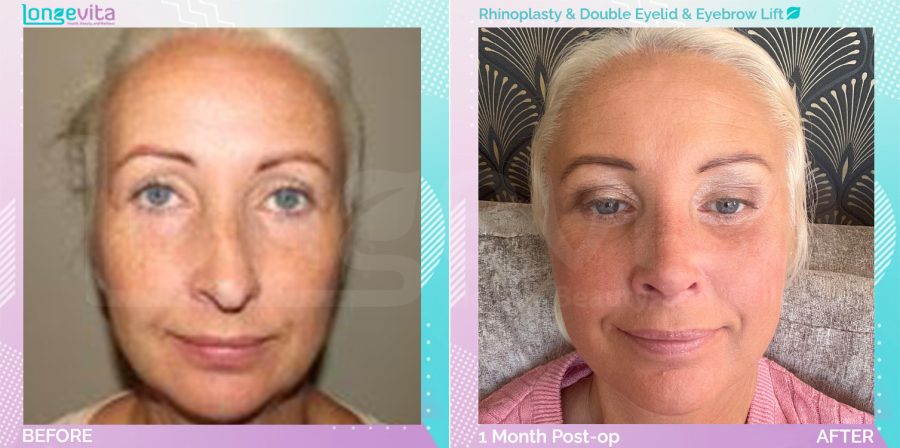
Eyebow Lift & Eyelid & Rhinoplasty 1 Month after the procedure - Age
- 40–49
- Gender
- Female
-
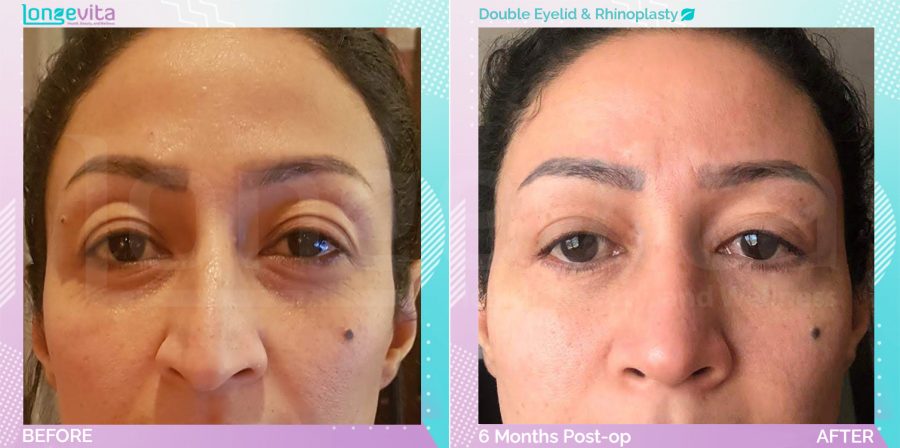
Eyelid & Rhinoplasty 6 Months after the procedure - Gender
- Female
-
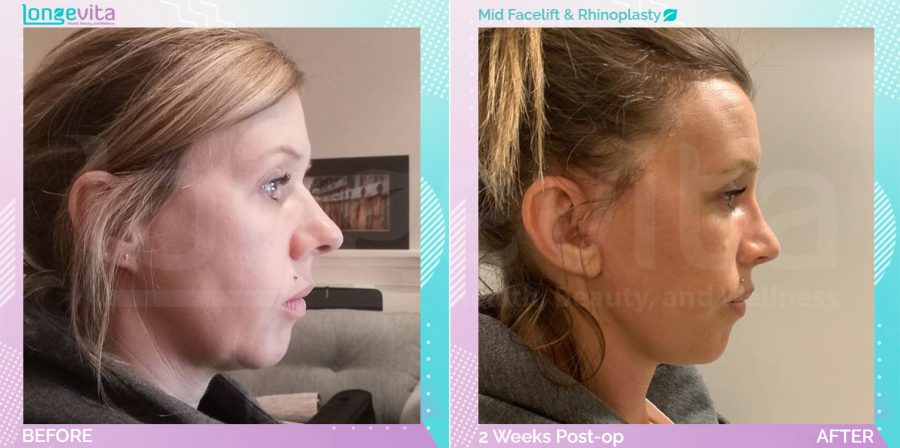
Mid Facelift & Rhinoplasty 2 Weeks after the procedure - Age
- 30–39
- Gender
- Female
-
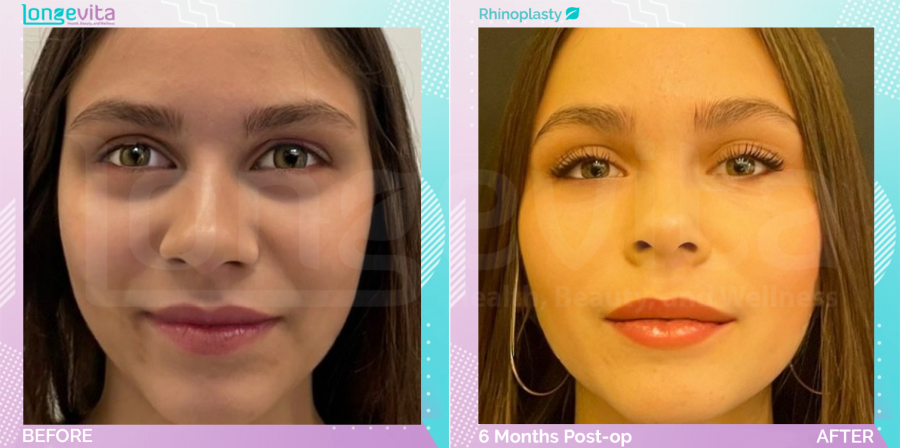
Rhinoplasty 6 Months after the procedure - Gender
- Female
-
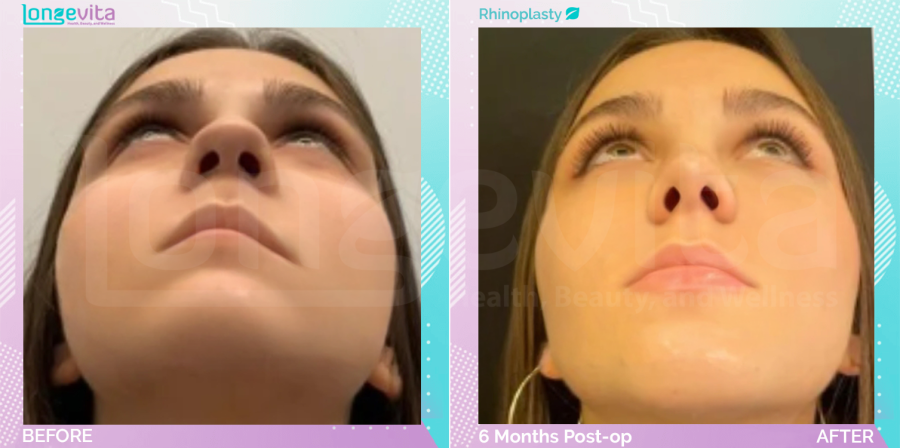
Rhinoplasty 6 Months after the procedure - Gender
- Female
-
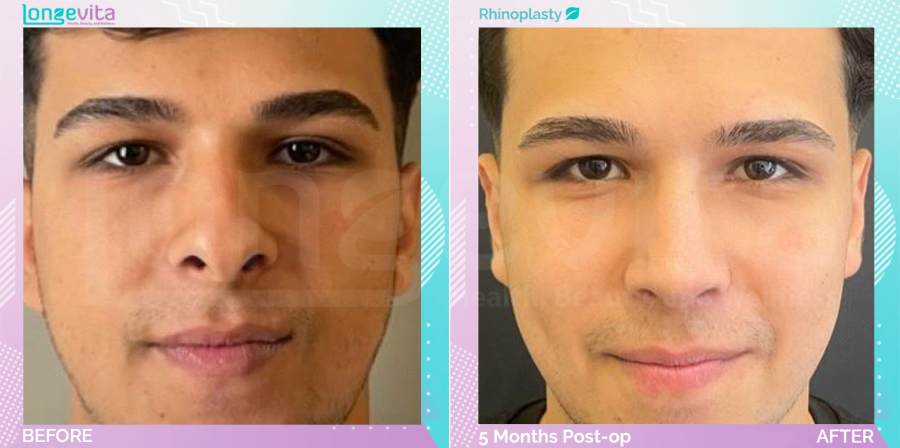
Rhinoplasty 5 Months after the procedure - Gender
- Male
-
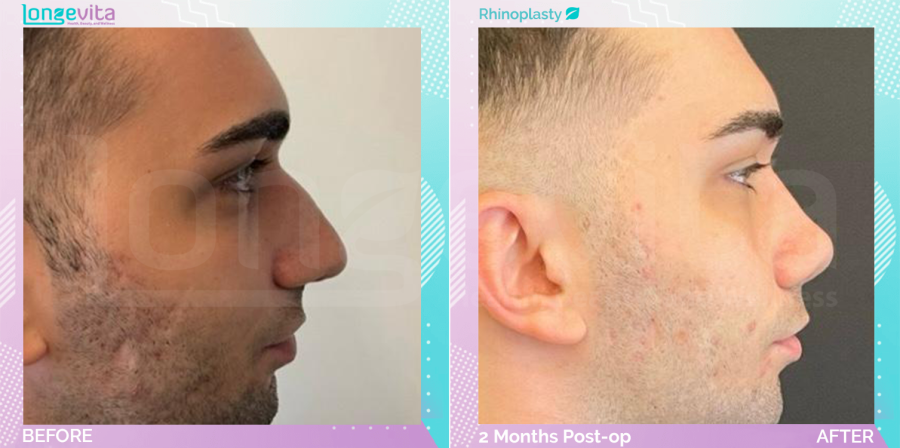
Rhinoplasty 2 Months after the procedure - Gender
- Male
-
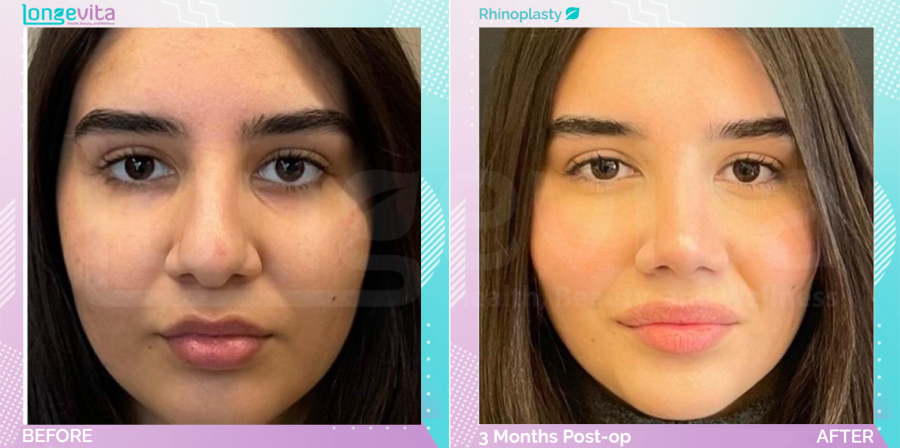
Rhinoplasty 3 Months after the procedure - Gender
- Female
-
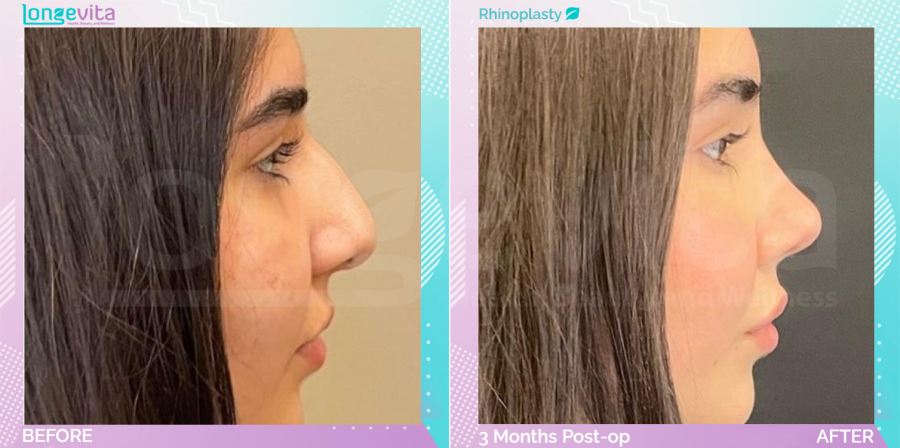
Rhinoplasty 3 Months after the procedure - Gender
- Female
-
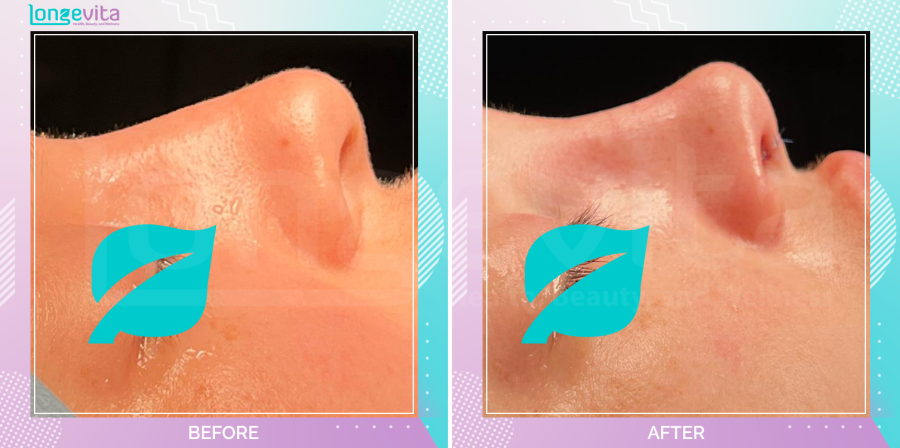
Rhinoplasty - Gender
- Female
-
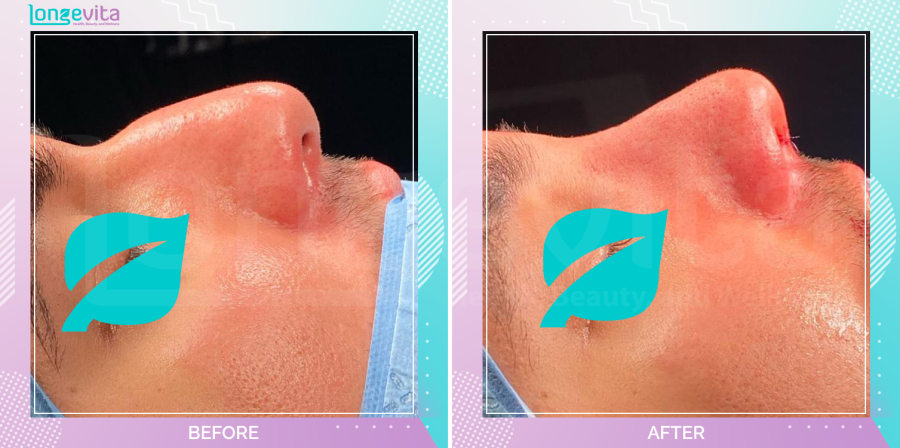
Rhinoplasty - Gender
- Male
-
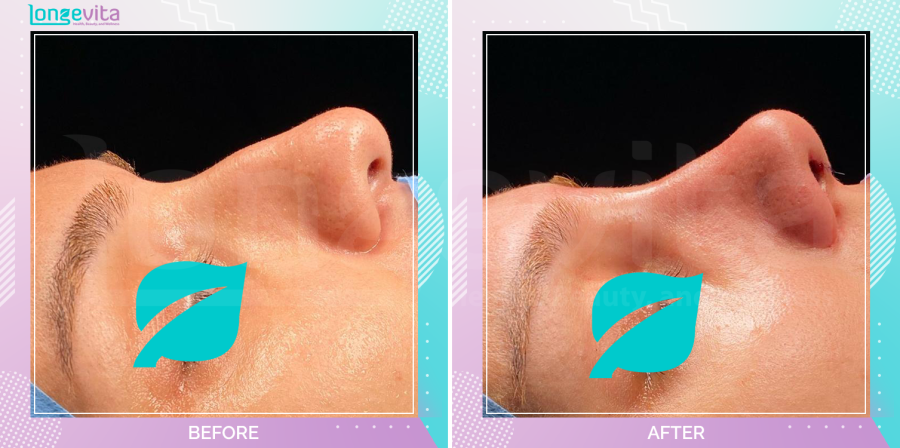
Rhinoplasty - Gender
- Female
-
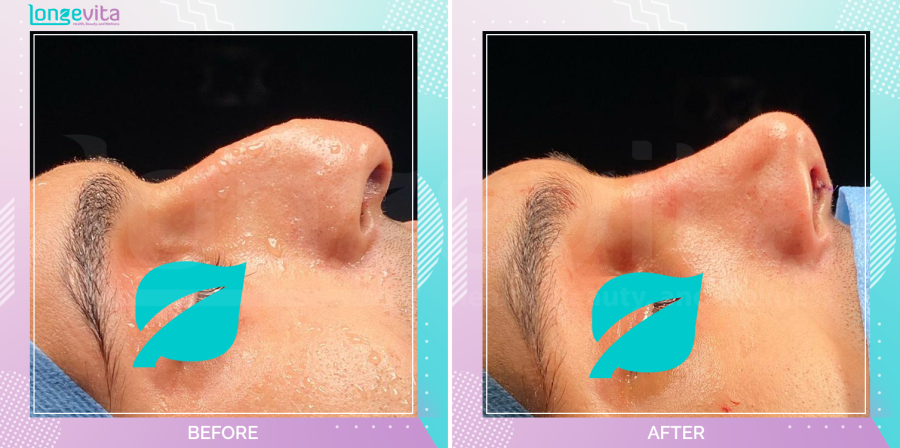
Rhinoplasty - Gender
- Male
-
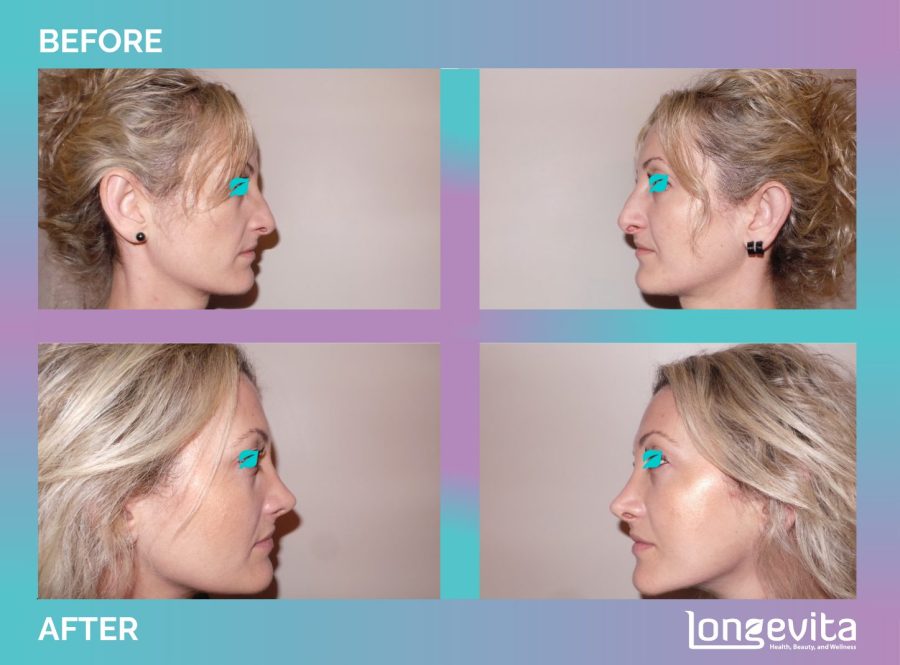
Rhinoplasty - Gender
- Female
-
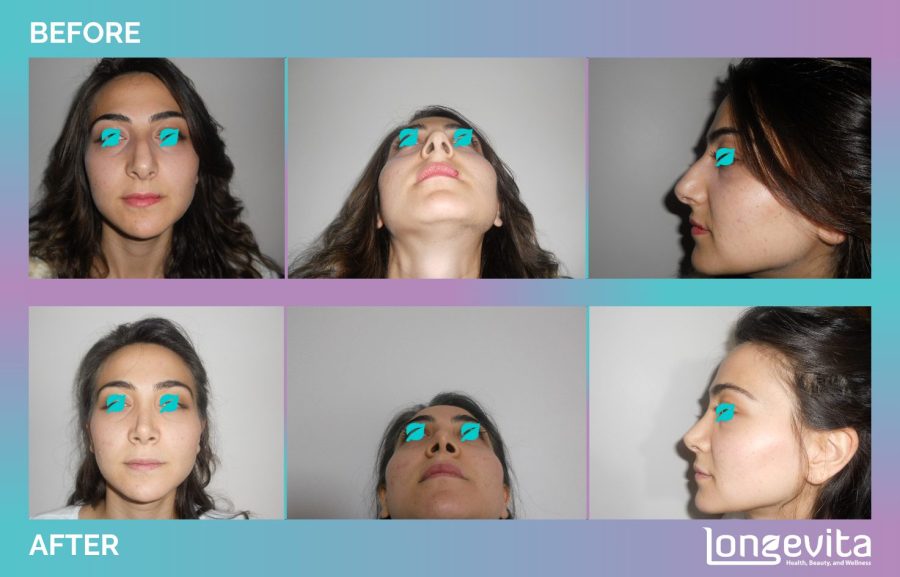
Rhinoplasty - Gender
- Female
What Our Clients Say
Don’t take our word for it – see for yourself what patients say about their experience!
Deborah Craig★★★★★The service from start to finish has been first class.
I travelled alone to Turkey for rhinoplasty and the service from start to finish has been first class. […] The Longevita staff that helped coordinate appointments etc were fantastic. On hand to answer everything - seamless process. The hospital staff and surgeon were amazing and day 1 with my new nose is a very happy day. No issues at all. Doing this alone I had some worries but they were soon eased with how slick the service was […] to the day I was getting my cast off.
Sean Coyle★★★★★The whole process is so easy and organised.
I travelled from England for rhinoplasty. […] Gizem is fantastic at her job and made everything for me so easy and smooth. She is punctual, very welcoming and was always available for me if I needed her. The whole process is so easy and organised […]. The surgeon who performed my rhinoplasty has gone far beyond my expectations with the result. I am overwhelmed by how much he has improved the shape of my nose and restored my breathing, and has done a truly incredible job. Thank you longevita 🙂
Ariella Glaskie★★★★★Longevita is truly in a league of its own.
I can't recommend Longevita highly enough. Despite the unwarranted negative publicity surrounding Turkey's medical infrastructure, our experience with Longevita far exceeded our expectations. Every staff member we encountered was highly educated, friendly, and incredibly supportive. Meeting the independent clinician, who is undoubtedly one of the best in his field globally, gave us further confidence that we were in expert hands. Our entire experience in Turkey was unparalleled. Longevita's operations team was flawless, ensuring every detail was handled with precision. They kept us on track with gentle reminders about appointments, offered constant support, and were always there to assist us […].I'm absolutely thrilled with the results of my procedure. Everything Longevita promised was delivered — and then some. The hospital we visited was among the best I've seen anywhere in the world […]. Longevita is truly in a league of its own. Choosing it for my surgery was one of the best decisions I've ever made, and I couldn't be happier with the outcome.
Some reviews have been shortened to remove details of services we no longer offer.
How Long Do You Need To Stay In Turkey For A Nose Job?
Plan to stay in Turkey for 7 to 10 nights for a nose job. That covers the consultation, the operation, a night in hospital, the first week of recovery, and the check-up where your splint comes off. It also keeps your flight home inside NHS guidance.
This is how a typical trip runs. The treating team confirms the exact days. Flights, accommodation and transfers are your own arrangements, separate from your treatment.
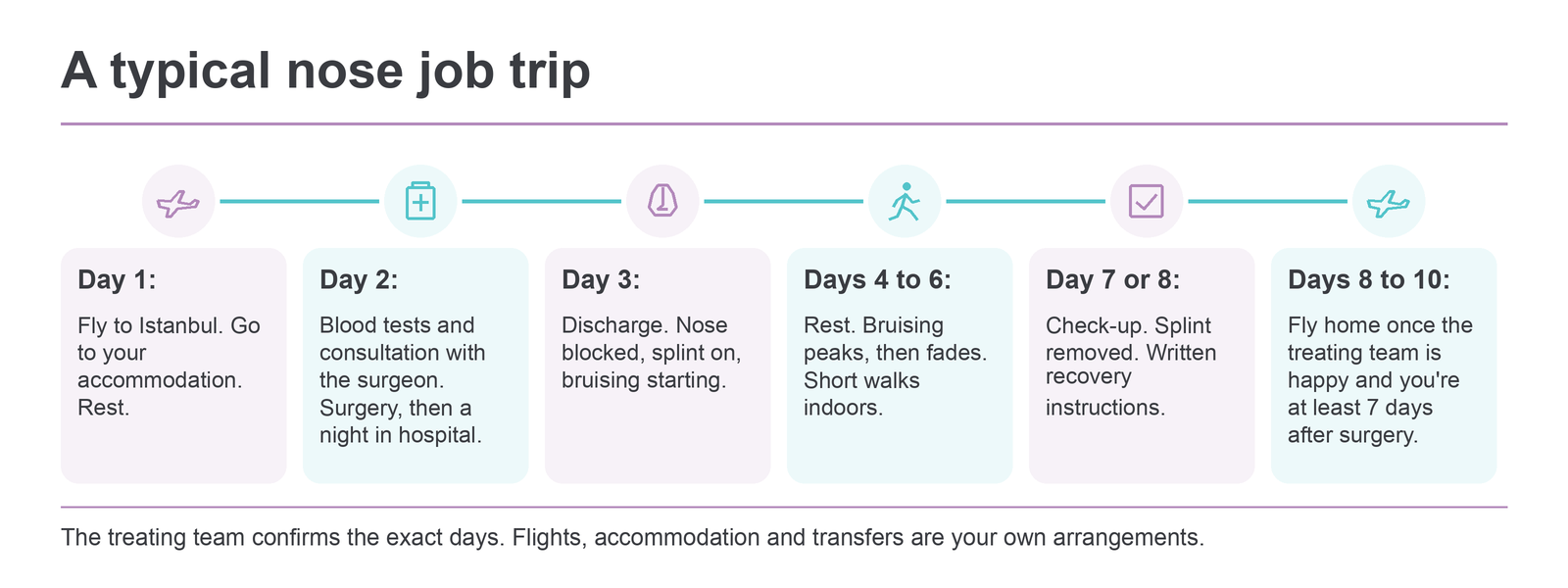
| Day | What happens |
|---|---|
| Day 1 | Fly to Istanbul. Go to your accommodation. Rest |
| Day 2 | Blood tests and face-to-face consultation with the surgeon. Surgery, then a night in hospital |
| Day 3 | Discharge to your accommodation. Nose blocked, splint on, bruising starting |
| Day 4-6 | Rest at your accommodation. Bruising peaks around days 2 to 3 after surgery, then fades. Short walks indoors |
| Day 7 or 8 | Check-up, 5 or 6 days after surgery. Splint removed. Written recovery instructions |
| Day 8 to 10 | Fly home once the treating team is happy and you’re at least 7 days post-op |
What The Recovery Week In Istanbul Is Really Like
The first few days of recovery in Istanbul are dull, not dramatic. Most people describe feeling congested and tired more than sore. You breathe through your mouth, sleep propped up, and spend a lot of time resting indoors. Travelling alone is fine for many people, but a companion makes these days easier.
Some things help that nobody tends to mention. Bring lip balm and a refillable water bottle, because mouth-breathing dries you out. Pack front-opening tops, so nothing goes over your face. Bring contact lenses if you wear glasses, since glasses can’t rest on the bridge for several weeks. In summer, Istanbul is hot and bright, and sun and heat make swelling worse, so keep outdoor time short and stay in the shade. Save the sightseeing for another trip.

When Can You Fly Home After A Nose Job In Turkey?
You can fly home at least 7 days after a nose job, and ideally 10. The NHS recommends no flying for 7 to 10 days after facial cosmetic surgery, because surgery and air travel both raise the risk of blood clots. With rhinoplasty there’s a second reason. A swollen, blocked nose makes pressure changes at take-off and landing uncomfortable, and you want the splint off and the check-up done before you leave.
TravelHealthPro, the UK’s national travel health service, advises having your fitness to fly confirmed by the treating doctor. On the day, drink water, walk the aisle and keep your head off the window. You won’t look much like your passport photo, so carry a letter from the clinic confirming your surgery, along with your travel documents.
NHS guidance is to wait 7 to 10 days after facial cosmetic surgery, including rhinoplasty, before flying. Book your return flight for after the splint has been removed at your Istanbul check-up, and ask the treating doctor to confirm you’re fit to fly. A letter confirming your surgery helps if your face doesn’t match your passport photo.
What Happens When You Get Back To The UK?
Your recovery carries on at home, and the plan for problems needs to be in place before you land. For questions about your recovery, including sending photos, contact your clinician's support team (contact details are in your Appointment Schedule).
The NHS will treat you in an emergency, wherever your surgery happened. Routine follow-up is a different matter. The NHS notes that when surgery is done in the UK, the surgeon is responsible for follow-up treatment, and overseas clinics may not offer the same. TravelHealthPro warns that patients may end up paying for further treatment themselves. Before you leave Istanbul, get copies of your operation notes and discharge summary, and give them to your GP.
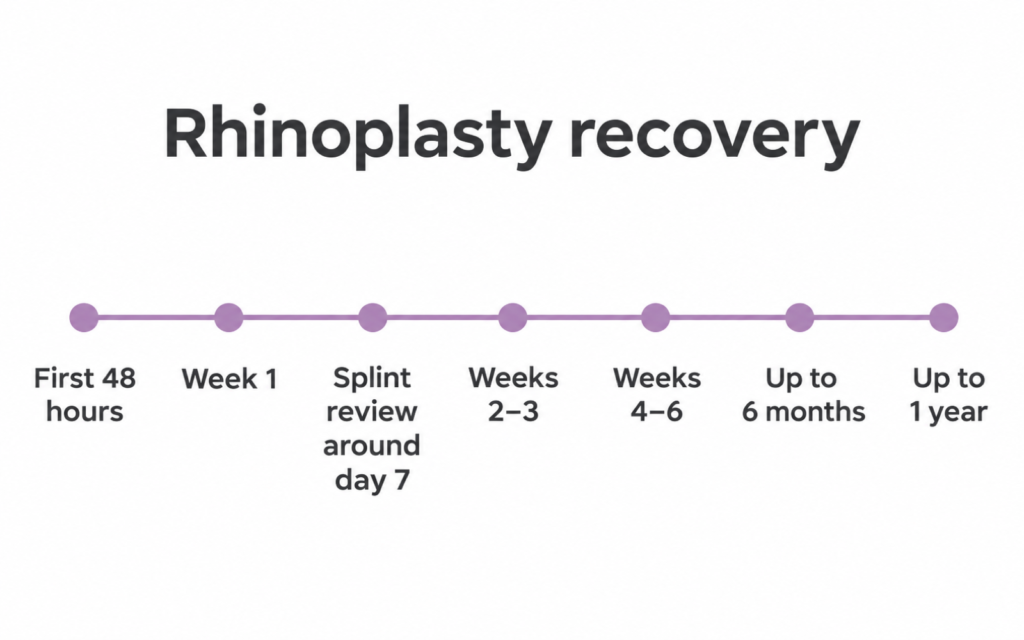
- Weeks 2 to 3: Most people are back at a desk job within about 2 weeks. Bruising fades by around week 3, and swimming is usually fine from then (NHS).
- Weeks 3 to 6: Exercise returns step by step. Anything that could knock your nose waits until your surgeon says so.
- Months 2 to 12: The tip stays stiff and puffy for a while, worse in the mornings. Swelling can take up to 6 months to go, and longer at the tip with thick skin. Our rhinoplasty swelling guide covers this stage in detail.
Normal, Contact Your Clinician, Or Emergency?
| Normal in the first weeks | Contact your clinician's support team the same day | Emergency |
|---|---|---|
| Bruising and swelling around the eyes | Pain getting worse after the first few days | A heavy nosebleed that won’t stop with firm pressure |
| Blocked nose, breathing through the mouth | A soft, painful swelling inside the nose, blocking 1 side | Difficulty breathing, or chest pain |
| Light blood-stained drip for the first few days | Fever, spreading redness, or discharge that smells | Severe headache with fever and a stiff neck |
| Stiff, numb tip; dulled sense of smell | The nose shifts visibly after a knock | Any change in your vision |
In the UK, in an emergency: call 999 or attend the nearest A&E. For anything in the middle column, contact your clinician's support team (contact details are in your Appointment Schedule). If you’re unsure and it isn’t an emergency, NHS 111 can advise.
What If You Need A Revision After A Nose Job In Turkey?
If you think you need a revision, wait at least a year before deciding. Swelling hides the final shape for months, especially at the tip, and much of what looks wrong at month 3 looks different at month 12. If a revision is still needed, it's more complex than the first operation, because there's scar tissue and less cartilage to work with. Our guide to revision rhinoplasty explains how that decision is assessed.
Having had surgery abroad adds logistics. A revision with the original surgeon means another trip to Istanbul. Going to a UK surgeon means paying UK prices, and some are cautious about revising another surgeon’s work. That’s why the revision policy needs to be in writing before your first operation: who assesses you, what’s covered, and who pays for the flights. BAPRAS makes a fair point here. It’s often best to accept the improvement you have, because repeated surgery weakens the nose. If you’re unhappy at any stage, contact your clinician's support team (contact details are in your Appointment Schedule).

Nose Job In Turkey Vs The UK: What Actually Differs?
A nose job in Turkey and in the UK involves the same operation. Price, time away, consultations and follow-up do differ.
| Turkey (arranged through Longevita) | UK private | |
|---|---|---|
| Typical cost | Independent clinicians’ prices from £2,450 | £4,000 to £7,000 |
| Time away | 7 to 10 nights abroad, plus recovery at home | Home the next day or so |
| Consultations | Video consultation, then face to face in Istanbul before surgery | Two consultations with a cooling-off period, normally 2 weeks |
| Follow-up | Check-up in Istanbul, then remote follow-up with your clinician's support team | In person with the operating surgeon |
| Revision | Another trip to Istanbul, or a UK surgeon at UK prices | With the same surgeon, nearby |
| Regulation | Turkish law and the Ministry of Health. The UK’s CQC and GMC have no role | CQC regulates the hospital, GMC registers the surgeon |
Remote follow-up from Istanbul is not the same as a UK surgeon you can see in person, and you should weigh that honestly. For many people, the savings are worth the trip. For some, being near the surgeon is worth the extra cost.
Nose Job In Turkey: Myths And Facts
| Myth | Fact |
|---|---|
| “Cheaper in Turkey means worse surgery.” | Depends on the surgeon. Lower costs explain the price. Checking the surgeon is what protects quality |
| “Turkish clinics aren’t regulated.” | Myth. Hospitals treating international patients need an International Health Tourism Authorisation Certificate from the Ministry of Health. The regulator is Turkish, not British |
| “I can recover on holiday.” | Myth. The first week is splint, bruising and rest. The NHS advises against sun, alcohol and sightseeing |
| “3 days in Istanbul is enough.” | Myth. The splint stays on for about a week, and the NHS advises 7 to 10 days before flying |
| “The NHS will sort out any problems.” | Partly true. Emergencies, yes. Routine follow-up and revision, not necessarily |
| “The price I’m quoted online is what I’ll pay.” | Depends. Septum work or grafts found at examination can change it. Ask whether the price is fixed after assessment |
Why Clients Choose Longevita For A Nose Job In Turkey
Longevita is a UK-registered medical tourism facilitator. It doesn't perform surgery. It arranges access to rhinoplasty with independent clinicians at accredited independent hospitals in Istanbul.
Frequently Asked Questions
Does Longevita perform the surgery?
No. Longevita is a UK-registered facilitator. An independent plastic surgeon performs the operation in an accredited independent hospital in Istanbul. Longevita arranges access to treatment with the independent clinician; the treatment plan, quote and suitability decision come from the clinician.
Can I travel to Turkey for a nose job on my own?
Yes, and many people do. The first 2 or 3 days are the hardest, so a companion helps, but it isn’t essential.
What’s the best time of year to go?
Cooler months are more comfortable. Sun and heat make swelling worse, and you’ll need to stay out of the sun for several weeks. Whenever you go, make sure you can take enough time off.
Will the surgeon speak English?
Ask before you book, because you need to understand the plan and the risks fully. If you need language support, the clinician's team will tell you what is available. Either way, your consultation should be clear to you.
Can I have a hair transplant or another procedure on the same trip?
Sometimes. The order matters, and the treating teams decide it. Rhinoplasty and a facelift are generally not done together, because swelling from one affects the other.
Will travel insurance cover me?
Standard policies usually exclude complications of cosmetic surgery. TravelHealthPro advises cover for complications, including getting you back to the UK. Look for a specialist policy.
Can I get my breathing fixed at the same time?
Yes, if the surgeon finds a problem with your septum. Septorhinoplasty treats appearance and breathing in one operation, and it’s priced differently.

Board-certified plastic surgeon (TSPRAS) · ISAPS member · 34+ years' experience
Last reviewed
Internationally recognised for his expertise in plastic surgery, Dr Fuat is a board-certified plastic surgeon and an active member of the International Society of Aesthetic Plastic Surgery (ISAPS). He has performed over 25,000 surgical procedures in his 34-year career. A number of his research articles have been published in well-reputed medical journals, and he has authored a book as well as written a book chapter. His expert opinion is also often sought after in the media. Dr Fuat can speak both English and Turkish fluently.