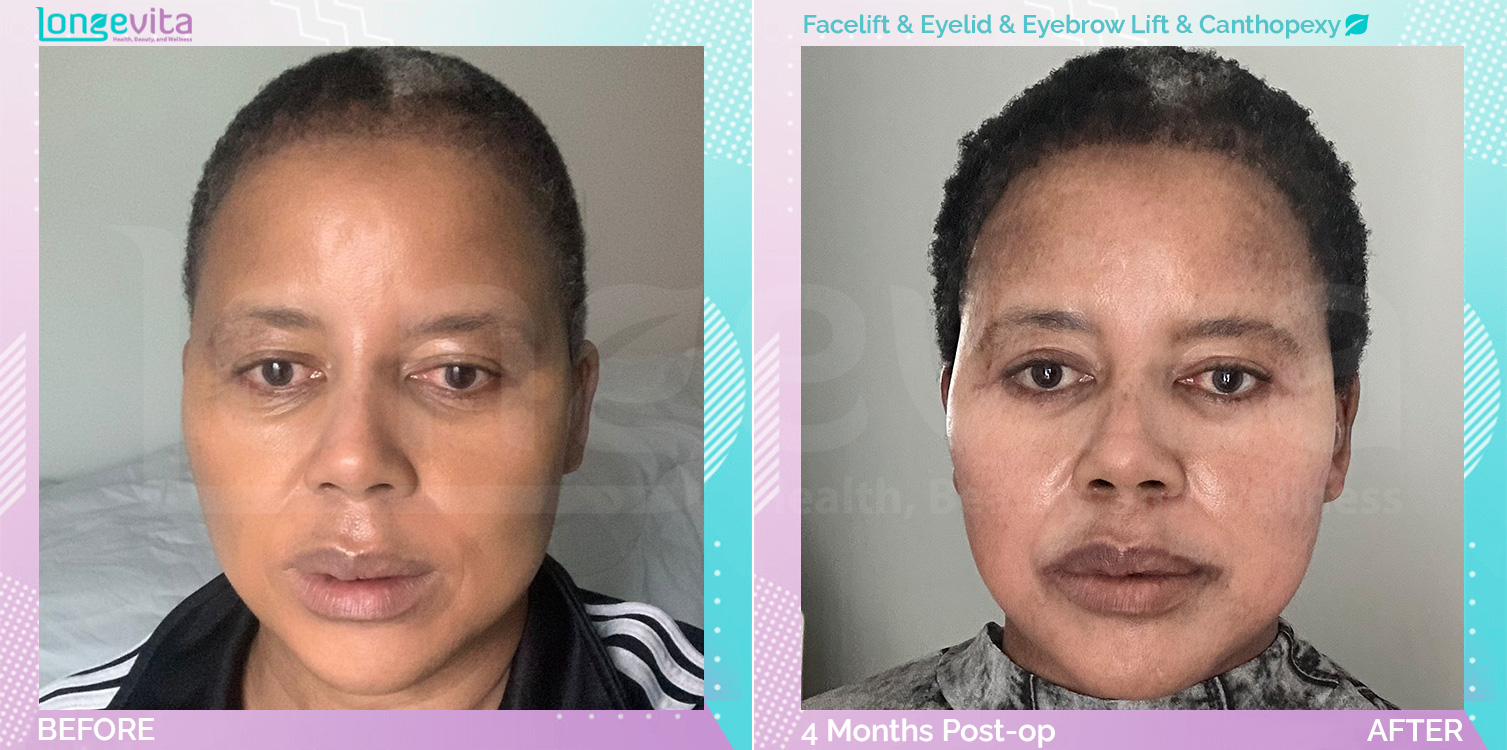
What Is Blepharoplasty?
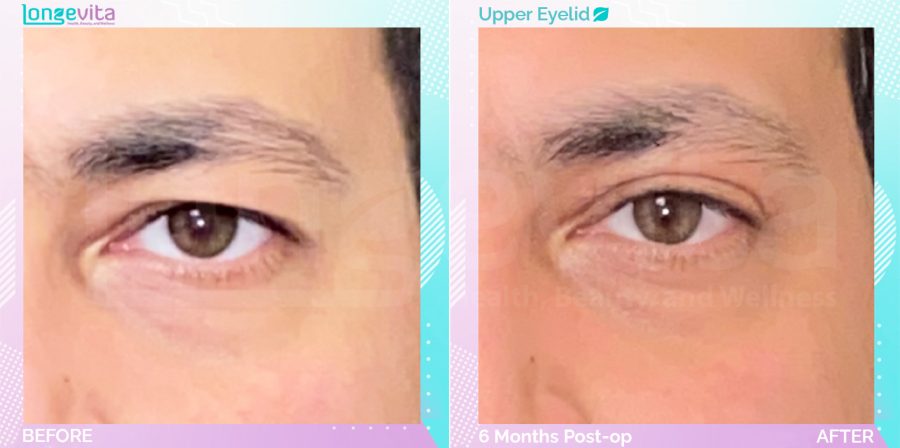
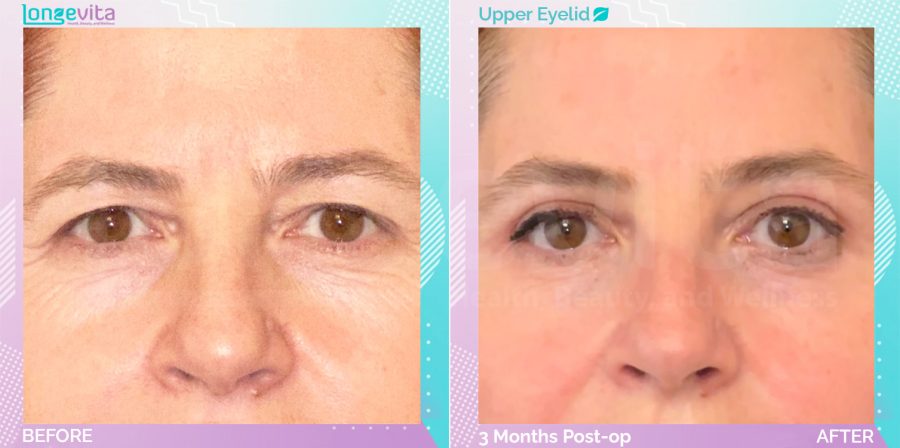
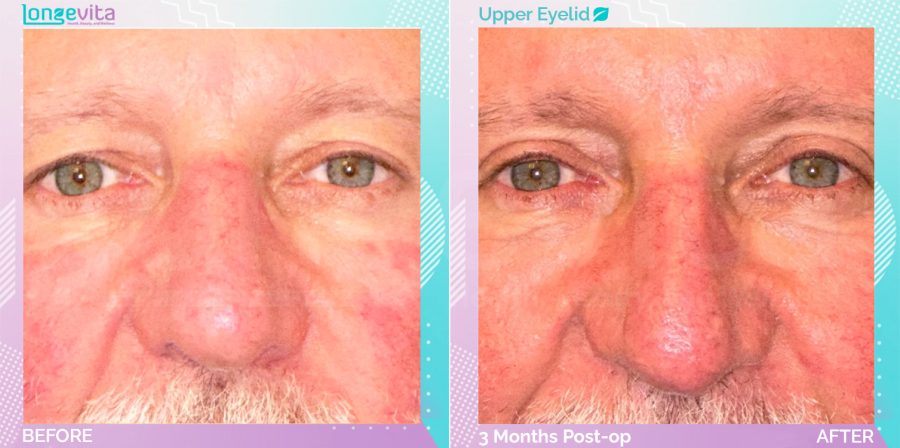
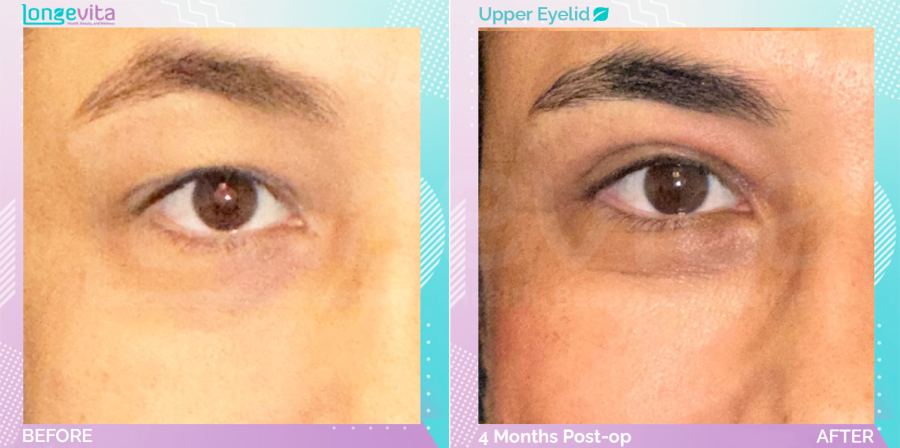
Blepharoplasty, also called eyelid surgery, is a type of plastic surgery that improves the function and/or appearance of the eyes. As skin loses elasticity with age, it starts to become slack, leaving you with hooded eyes, which have the potential to obstruct your field of vision. Moreover, it can make your eyes appear perpetually tired, even giving you a sombre and tense look. Therefore, whether for functional or cosmetic reasons, you can undergo an upper blepharoplasty to address these concerns.
However, this procedure is also performed on lower eyelids – whether alone or in conjunction with upper blepharoplasty. Lower eyelid blepharoplasty treats puffiness or “bags” underneath the eyes that result from fat in the area pushing forward and creating a bulge. Having these eyebags can also make the face appear tired, which is why some people opt for a lower blepharoplasty.
It should, however, be noted that a blepharoplasty specifically addresses the upper and/or lower eyelids. If you have brow ptosis or drooping eyebrows affecting your field of vision, you’ll need a brow lift to resolve the issue. It is possible for both blepharoplasty and brow lift to be done together so you can achieve the most appropriate results for your individual anatomy.
Quick Facts
What is the downtime of blepharoplasty surgery?
Blepharoplasty can have a downtime of 1-2 weeks.
When do you see the final results of blepharoplasty?
You can see the final results of your blepharoplasty 3-4 months post-operatively.
What kind of anaesthesia do you need for blepharoplasty?
Blepharoplasty can be done under either local or general anaesthesia.
How long does blepharoplasty last?
A lower blepharoplasty typically produces long-lasting results — individual outcomes vary. An upper blepharoplasty may last around a decade for many people.
Am I A Good Candidate For Blepharoplasty?
You can be considered a good candidate for eyelid surgery if:
The excess skin on your eyelids is negatively impacting your vision.
You’re unhappy with how tired or sad your eyes appear due to droopiness and/or puffiness.
You’re physically and mentally healthy and have realistic expectations from the surgery.
Typically, people in their mid-30s may choose to have a blepharoplasty, but it is important to note that this surgery has no age limit.
Who Is Not Suitable For A Blepharoplasty?
You might not be considered a suitable candidate for eyelid surgery in the following instances:
- You are physically unwell (e.g. thyroid problems, hypertension, and dry eyes).
- You have a mental illness (e.g. body dysmorphic disorder).
- You have unrealistic expectations about what can be achieved from the surgery.
How Is An Eyelid Surgery Performed?
Blepharoplasty involves removing excess skin, muscle and/or fat under local or general anaesthesia and can be performed on an outpatient or inpatient basis.
The procedure may differ depending on the type of blepharoplasty you’re having. In any case, you’ll have a final check-up appointment with your clinician a week after the procedure.
Upper Blepharoplasty
If you’re getting an upper blepharoplasty, the surgeon will draw a line across the natural crease of your eyelid so the surgical scar is easily hidden within the fold. The upper boundary of the incision is drawn about 1cm or 10 mm from the eyelashes.
Care is taken to not remove too much skin as that can affect the proper closure of the eyelid. Additionally, your clinician will be mindful of removing tissue from both eyelids in a way that ensures symmetry post-operatively.
Under anaesthesia, the tissue marked out for excision will be removed. An upper blepharoplasty can involve the elimination of excess skin and muscle as well as some amount of fat. Afterwards, the surgical site is stitched up and closed.
The entire surgery typically only takes about an hour and 30 minutes. But if you receive general anaesthesia for your procedure, you’ll have to stay in the hospital for a day before being discharged.
Lower Blepharoplasty
Lower blepharoplasty involves marking out the area where fat underneath the eyes is herniated. A lower eyelid surgery, however, can be done in one of the two ways:
Subciliary Incision:
When an incision is made right below the lower eyelash and extends to the crow’s feet or laughter lines at the corner of the eyes, it is called a subciliary blepharoplasty. This approach might be preferred by your clinician if some excess skin needs to be removed from your lower eyelid in addition to fat.
Transconjunctival Incision:
When the incision is made within the eyelid as opposed to the skin on the outside, it is called a transconjunctival blepharoplasty. When your lower eyelid only has a fat bulge that needs to be addressed, and no excess skin needs to be removed, this approach is preferred.
Note that in order to achieve the most appropriate results for your individual anatomy, you may also be recommended other procedures like a fat transfer surgery.
On its own, however, a lower blepharoplasty can take the same amount of time as an upper eyelid surgery – around 90 minutes. However, your discharge will depend on whether you had the surgery under local or general anaesthesia.
If it’s local, you can return home/hotel the same day, but if it’s general, you’ll have to stay in hospital for 1 night.
Quad Blepharoplasty / Double Eyelid Surgery
If you get a blepharoplasty on both your upper and lower eyelids, it’s called quad blepharoplasty. You might be recommended this surgery if you have excess skin, muscle and fat on your upper eyelid as well as a prominent fat bulge – with or without excess skin – on your lower eyelid.
A quad blepharoplasty can also be performed under local anaesthesia. Your doctor might begin by operating on both your upper eyelids before moving to the lower ones – the entire surgery may take around 2 hours.
Canthoplasty/Foxy Eye Surgery
Also known as cat-eye surgery, it gives the eyes the shape of an almond. This cosmetic surgery has two techniques.
Lateral Canthoplasty
The surgeon makes an incision on the outer corner of the eye – the lateral canthus – where the lids meet. Its angle is adjusted to make the eyes look elongated.
Epicanthoplasty
The surgeon makes incisions on the inner corners of the eyes. Mainly, this surgery aims to increase the size of the eyes.
Keep in mind that canthoplasty is not the same as canthopexy surgery, which mainly tones the muscles in the eyes by tightening them.
Did you know that there is a specific type of blepharoplasty for Asians?
Known as Asian blepharoplasty, the primary goal of this cosmetic procedure is to create a crease in the upper eyelid. This procedure can be performed under local anaesthesia and involves the removal of some extra fat and skin from the target area. The surgery can effectively change a monolid to a double lid, and the results may last for a decade or even longer.
How Long Does It Take To Recover From Blepharoplasty?
You may have to take 1-2 weeks off work after your blepharoplasty. While you can notice an immediate difference in the appearance of your eyes post-operatively, you must stay patient as final results can take 3-4 months.
You can also experience temporary side effects during recovery. For instance, swelling and bruising can occur in the first 2-3 days, and for a week or two, you can also have sensitivity, blurring or double vision. Keep in mind that swelling can linger for a few months, and only after it subsides will you see how your eyes look.
Some of the things you need to keep in mind during recovery include:
Applying cream on incisions
To support the healing process, you will be provided with a cream by your doctor. Make sure that you apply it on your incisions for around 7 days. Regular application can flatten your scars. This will help them fade in about 12 months. |
Using iced gauze pads
To help with the post-operative swelling, you can apply gauze pads (wrung after dipping them in ice water) to the surgical areas.
Avoiding sunlight
You must avoid direct sunlight for 3 months after your surgery. |
Wearing makeup and lenses
You can start wearing makeup 1 week after your checkup appointment. However, keep an eye on any adverse reactions from the makeup products. Certain ingredients used in cosmetics can irritate the incision lines. Also, makeup pigment can get embedded in the open, healing wounds like a tattoo, which can cause permanent discolouration of the scars. Therefore, please be patient. As for contact lenses, since there’s a risk of irritating the eyes, make sure to wait for 4 weeks before wearing them again. |
Taking it slow
You will have to wait about 3 days before you watch TV or read a book. Also, if you’re considering going out, make sure to wear sunglasses. |
* Aftercare instructions can vary between clinicians, so make sure to follow the advice of your operating clinician.
You will be explained all the aftercare instructions during your check-up. Additionally, a digital copy of them will be provided to you.
Moreover, our team will also regularly check on you to make sure that you’re healing normally. You can also get in touch with them for support via support@longevita.co.uk.
What Are The Potential Complications Of Blepharoplasty?
As with any surgery, a blepharoplasty can carry certain risks, some of which include:
- Infection
- Scarring
- Asymmetry
- Problem closing the eyelids
- Hematoma
- Ptosis
This list is not exhaustive. Therefore, to make an informed decision, you must have an in-depth discussion with your plastic surgeon about the potential risks and how they’re dealt with.
With Longevita, you can rest assured that you’ll be treated by a highly qualified and experienced board-certified plastic surgeon who will help you achieve the best possible outcome. They’ll also take steps to minimise the risk of complications you might experience from this surgery.
Can Blepharoplasty Be Done Twice?
Due to the natural process of ageing, your skin quality may change over time, so you may be able to get a second blepharoplasty. Especially an upper eyelid treatment might be considered in about 10 years due to loss of skin elasticity. A lower blepharoplasty, on the other hand, typically produces long-lasting results – individual outcomes vary.
Client Journey
Client Journey
0:41
Blepharoplasty In Turkey Before-And-After Photos
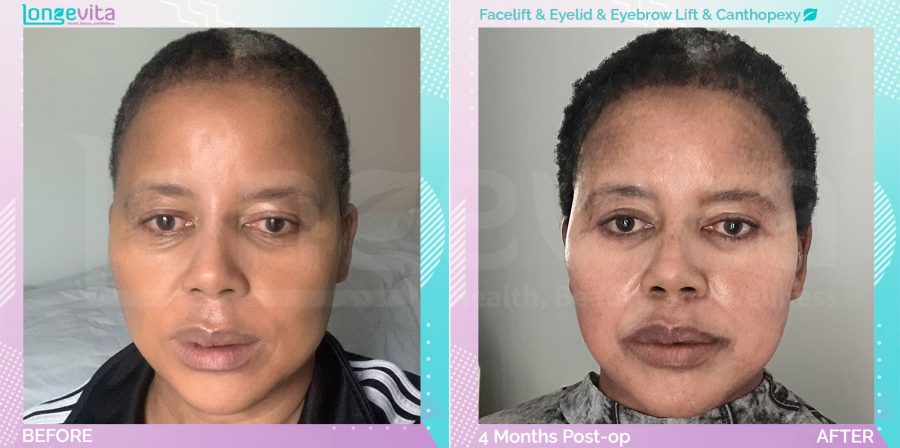
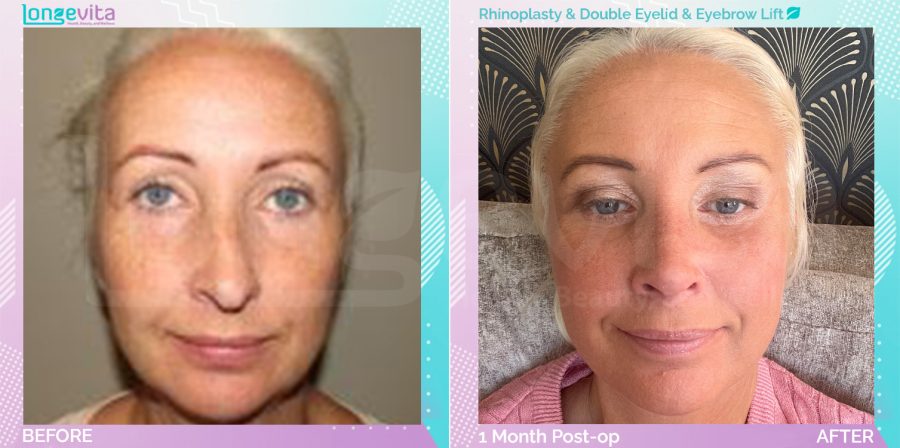
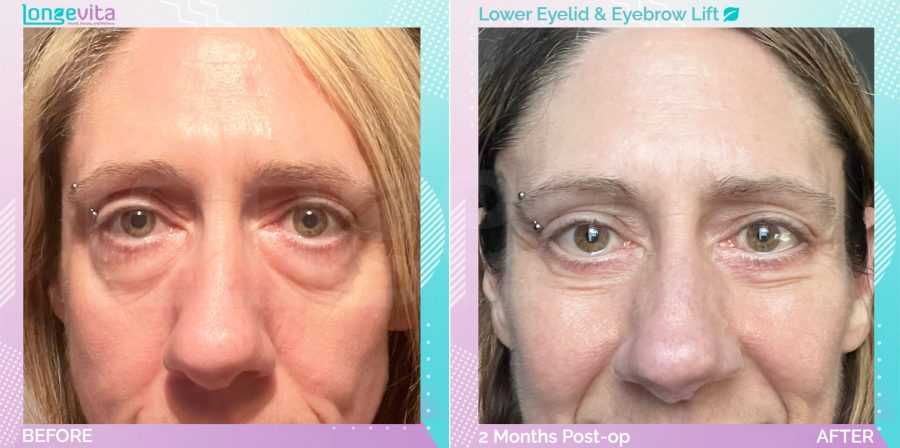
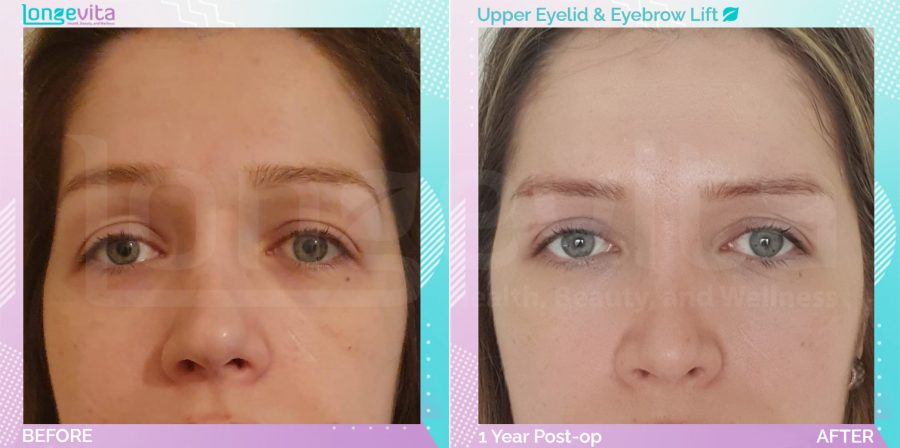
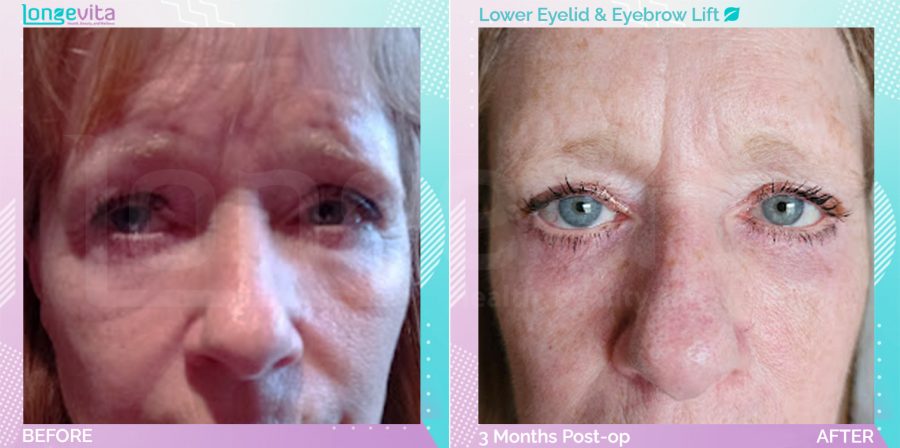
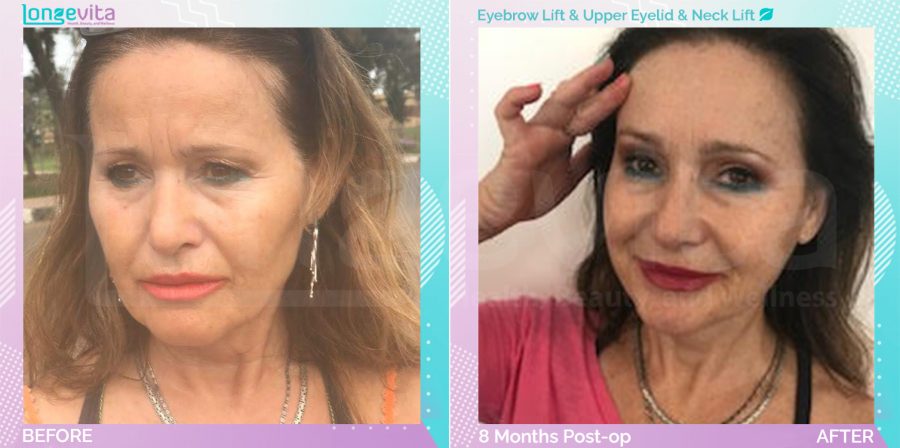
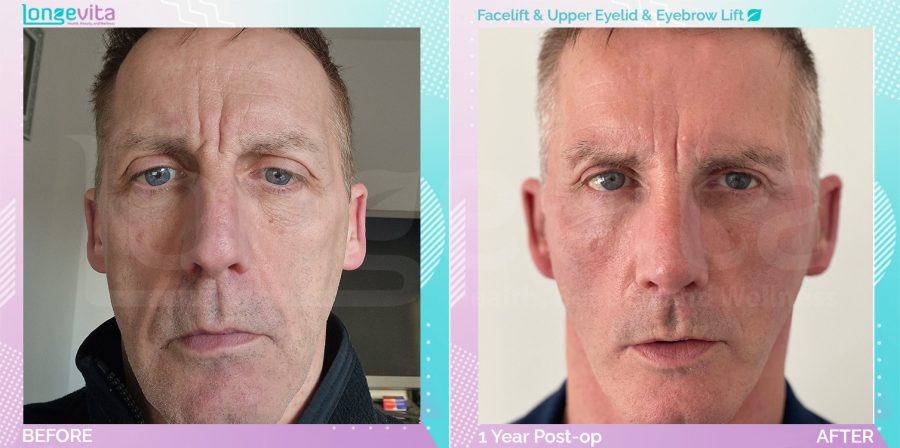
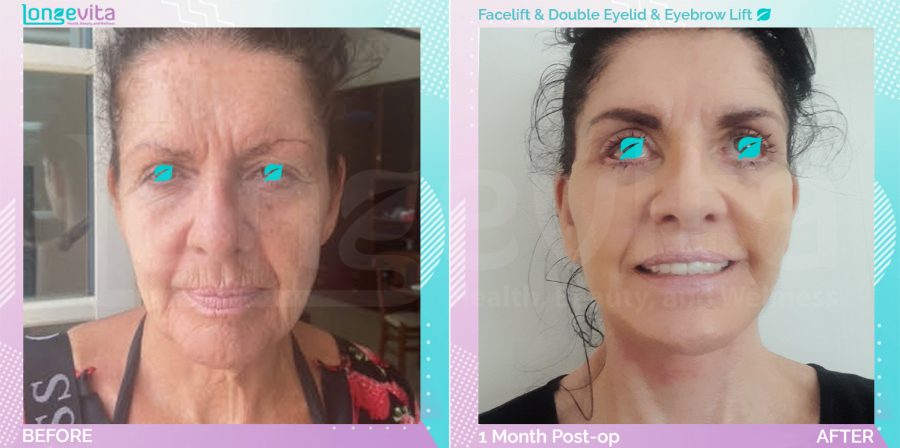
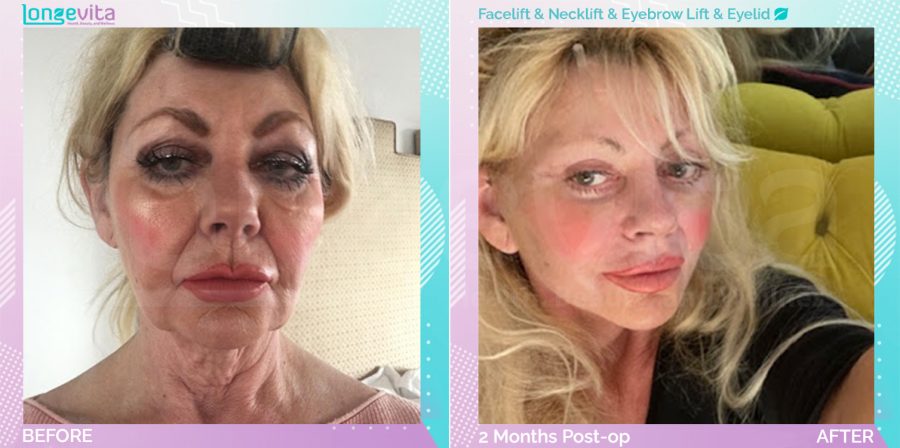
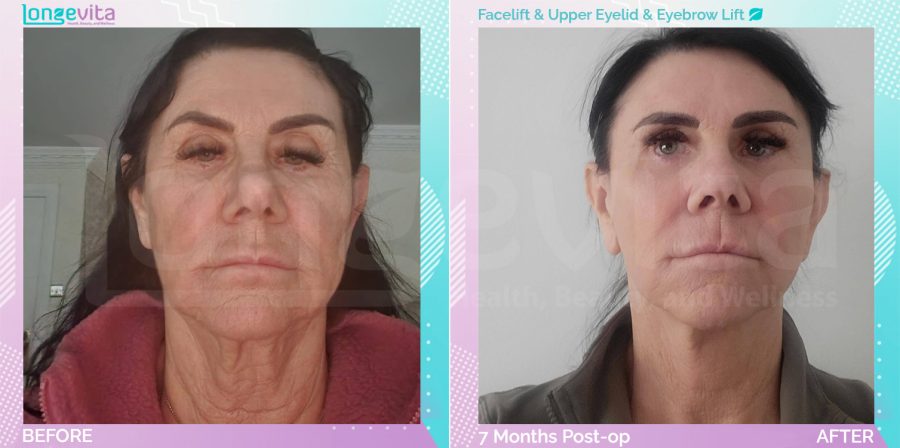
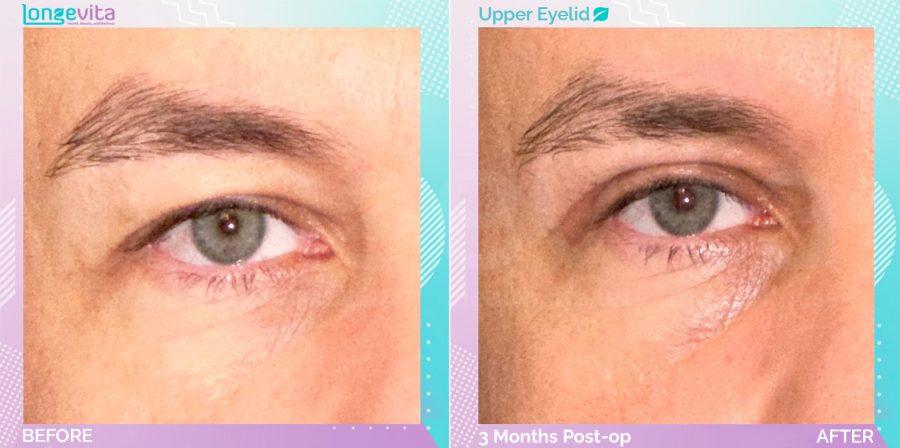
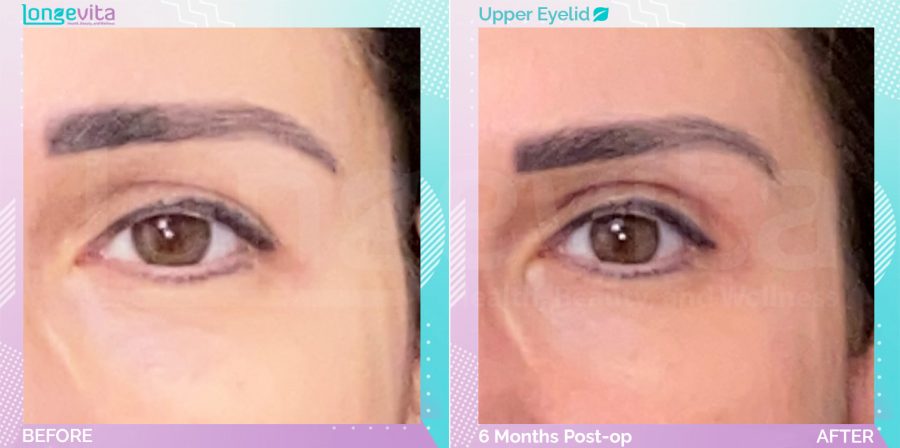
Since each patient is unique, results can vary between them. However, before and after photos might give you an idea of what can possibly be achieved from a blepharoplasty.
Case Overview
Case Overview
What our Patients Say
Don’t take our word for it – see for yourself what patients say about their experience!
How Much Does Blepharoplasty Cost In Turkey?
When done for cosmetic reasons, blepharoplasty is not likely to be covered by the NHS, which is why many seek the surgery at a private practice.
In the UK, a bilateral upper blepharoplasty can cost around £3,000, and a lower blepharoplasty for both eyes might also cost the same. The prices, however, are more affordable in Turkey, ranging from £2,000 to £2,500 for upper or lower blepharoplasty of both eyes.
| Procedure Type | Cost in Turkey |
|---|---|
| Upper Blepharoplasty | £1,900 |
| Lower Blepharoplasty | £1,900 |
| Canthopexy/Cat Eye | £2,000 |
| Quad Blepharoplasty | £2,100 |
Frequently asked questions about Blepharoplasty
Can I get both upper and lower blepharoplasty at the same time?
Yes, you can have this surgery on both eyelids on the same day.
Can eyebags return after blepharoplasty?
Done properly by a qualified plastic surgeon, you should be able to enjoy the results of your lower blepharoplasty for a long time without worrying about your eyebags returning. Still, keep in mind that there’s no way to stop the natural process of ageing, so you might need some treatment for that area again. For this, make sure to consult an experienced medical professional.
Can blepharoplasty surgery go wrong?
In the hands of a good plastic surgeon, you can typically expect to achieve excellent outcomes, although keep in mind that no surgery is risk-free.
Does blepharoplasty make the eyes bigger?
A blepharoplasty is not aimed at making the size of the eyes bigger. By getting rid of excess skin, this surgery can make your eyes look more open and well-rested, but you shouldn’t expect to achieve bigger-looking eyes from an upper blepharoplasty.