
What is Sapphire Hair Transplant?
Sapphire hair transplant is a type of follicular unit extraction (FUE) surgery that uses special sapphire blades with improved outcomes, better graft survival, and quicker recovery for most people.
In both regular and Sapphire FUE, individual follicular units are extracted from a “safe donor zone” at the back of the scalp. This strip of hair is resistant to dihydrotestosterone (DHT), the hormone responsible for pattern baldness. Therefore, it ensures long-lasting growth after being relocated to the balding areas of the scalp.
Losing hair isn’t trivial. It can feel like having a bad hair day every day, and it’s not a matter of vanity – hair loss can lead to anxiety, depression, and feelings of helplessness.
Fortunately, those looking to restore their natural hair and regain their confidence can benefit from advancements in hair loss treatments. Now, it’s possible to get your hair back with a minimally invasive surgical intervention.
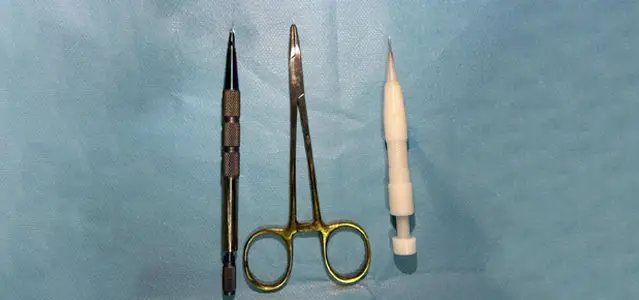
In the implantation phase of the surgery, Sapphire FUE uses v-tipped blades made with sapphire instead of metal to make incisions for graft placement. These blades are less traumatic for the scalp and offer the advantage of achieving more natural-looking results.
How Much Does a Sapphire FUE Hair Transplant Cost?
The cost of hair transplant surgery varies significantly depending on the location of the clinic. The Turkish hair transplant price for a Sapphire FUE can be around £2,500, whereas in the UK the same procedure can cost between £4,000 and £5,000.
Sapphire FUE tends to be slightly more expensive than traditional FUE due to its use of laser-cut sapphire blades. Despite the higher cost, this tool offers better precision and results.
A Sapphire hair transplant in Turkey arranged by Longevita is priced at £2,300 for an comprehensive experience. This price is fixed regardless of the number of grafts, ensuring affordability for clients.
Many people opt to travel abroad for their Sapphire FUE hair transplant, as comprehensive packages in countries like Turkey can significantly reduce costs while maintaining high medical standards. This makes advanced Sapphire blade technology more accessible compared to prices in the UK.
You can review international price differences on our Average Cost of Hair Transplant in Turkey and Hair Transplant Cost Comparison by Country pages.
Want a personalised Hair Transplant estimate?
Use our Price Calculator to get an estimate of how much your hair transplant, or any other treatments you’re interested in might cost. This quick tool helps you plan your treatment and budget with confidence before booking a consultation.
Select your treatment location
Select your treatment
Estimated Cost
All prices are estimates. Final cost may vary.
What’s included
DISCLAIMER
This is a price estimate only for budgeting purposes however it cannot be used as a substitute for a formal price quote that can only be given after a consultation with a qualified medical professional.
Optional additional treatments
Let's Turn Your Estimate Into a Plan
Complete the form and our team will reach out with everything you need to move forward.
Get a Free Sapphire Hair Transplant Consultation
Fill out the form to receive a callback and book a consultation to receive your Free, no-obligation hair transplant treatment plan tailored specifically for your hair loss requirements.
 4.8Top Rated Serviceverified by TrustindexTrustindex verifies that the company has a review score above 4.5, based on reviews collected on Google over the past 12 months, qualifying it to receive the Top Rated Certificate.

Am I Suitable for a Sapphire Hair Transplant?
The sapphire FUE procedure is suitable for anyone who is a good candidate for traditional follicular unit extraction.
However, it might be more suitable for those who are looking for:
Between Sapphire and direct hair implantation (DHI) surgery, Sapphire is preferred when implanting more than 3,000 grafts. Both methods involve creating smaller incisions and result in less scar tissue. However, DHI sessions are limited to 3,000 grafts due to the time required to load grafts into the special implanter pen used during the surgery.

Sharper Incisions, Natural-Looking Hair
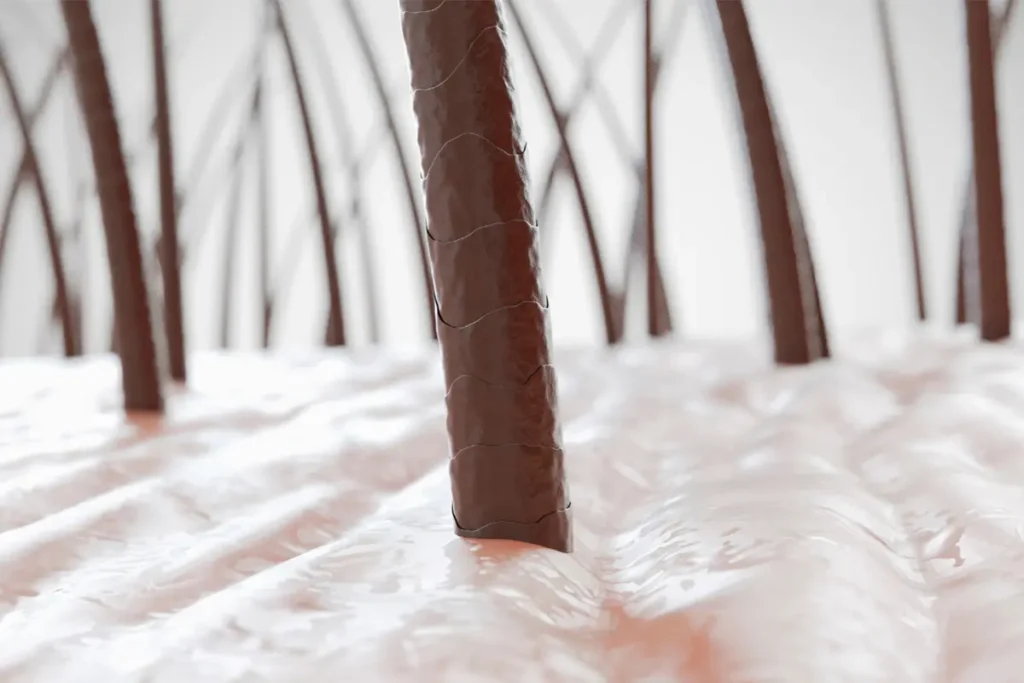
Sapphire blades create more precise, small, and clean incisions, which then allow for the accurate placement of hair follicles, giving more natural-looking results.
Less Trauma, Quicker Healing
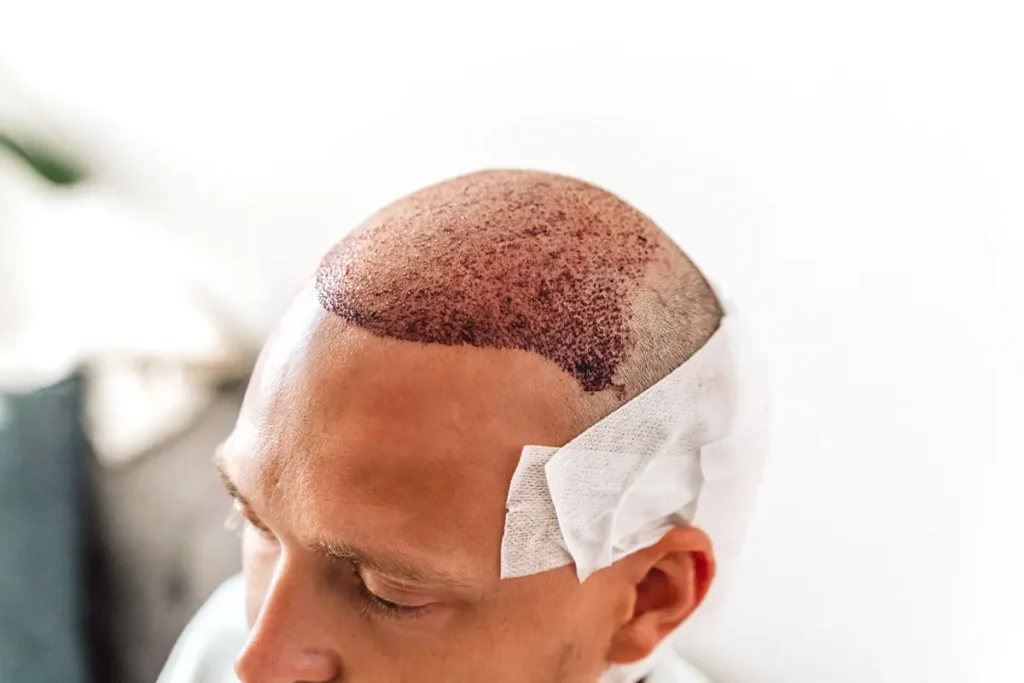
Sapphire blades can help patients recover faster than traditional FUE. It reduces tissue damage and causes less trauma to the scalp, resulting in less downtime and a quicker return to normal activities.
Enhanced Survival for Long-Lasting Outcomes
With Sapphire hair transplantation, a better graft survival rate is generally expected, giving you an improved overall outcome.
Sapphire Vs Metal Blades: What's The Difference?
One of the main differences between the sapphire blades used in Sapphire FUE and the metal blades used in regular FUE is their level of bluntness – the former being sharper than the latter.
Because of the bluntness of the metal blades, the clinician needs to apply relatively more pressure to create incisions in the scalp, which could then cause more trauma. With every 1,000 slits that are created in the scalp, this blade also needs to be changed because it becomes blunt. In contrast, a sapphire blade has a sharp tip and is relatively less traumatic.
Do You Need To Shave for Sapphire Hair Transplant?
A Sapphire hair transplant typically requires shaving the entire head. However, it’s important to clarify that only the donor and recipient areas need to be trimmed, not necessarily all of your hair.
If you have long hair around the balding area, you may not need to shave it. For example, if you wish to fill in your temples (frontotemporal recesses), you may not need to shave your front, top, or crown, of course, with the exception of the donor area. However, the independent clinician will make this decision.
What Is The Sapphire FUE Technique?
Once you arrive at the clinic, you’ll go over your treatment plan with your hair transplant doctor before heading to the operation theatre. There, your Sapphire hair transplant will be performed in three main steps.
Precise Graft Removal with Minimal Trauma
Under local anaesthesia, Sapphire FUE will begin with the extraction of follicular units/grafts from the donor area using a 0.8-1 mm punch tool, which penetrates the skin around each graft at a depth of about 2-3 mm.
Once the attachments surrounding the graft have been released, it is gently taken out of the scalp using tweezers and stored in a chilled solution of adrenaline and isotonic water.
Customised Incisions for Natural Hair Growth
After the grafts have been taken out, the surgeon will use the sapphire blades to create the incisions in the balding areas – the extracted hair grafts will be placed into these incisions. The size of these slits can vary depending on the type of graft being used in a particular area of the scalp.
For instance, the hairline is filled with 1 and 2-hair grafts, and its incisions are the smallest. Their size can be bigger in the central area where generally grafts with 3-4 hairs are implanted to create an appearance of density, although the periphery might be filled with 2-hair grafts. In the crown, the graft size can become smaller towards the centre.
The surgeon is also careful in following the angulation of the existing hair so that the newly transplanted hair grows out in a similar, natural-looking fashion. The angles are generally lower at the front and temples but increase as we move backwards.
Furthermore, the slits can be oriented in one of two ways: sagittal (going from front to back) or coronal (going sideways). A combination of these can be used, with the latter being preferred for creating an illusion of density (which can be useful where fewer grafts are used).
The depth of the incision is also controlled by the surgeon and is decided in accordance with the length of the graft itself. And once the slit-making process is finished, trained and experienced technicians begin placing the grafts.
Accurate Graft Placement for Lasting Results
Graft insertion marks the final stage of the surgery. Two skilled technicians carefully handle each graft using tweezers and place it into each slit/incision. Care is taken to place the grafts into the slits according to their respective sizes and in the proper direction.
The time taken for the entire surgery can vary from 6-8 hours, but it largely depends on the amount of work involved. Since it is an outpatient procedure, you’ll be discharged the same day with bandages on your donor area and a session of platelet-rich plasma injections for the transplanted area.
Oliver's Sapphire Fue Hair Transplant Journey
In August 2024, Oliver took the next step in restoring his confidence with a Sapphire FUE Hair Transplant procedure. His primary concern was his receding hairline, particularly in the corners and the crown area. After a thorough consultation, he chose a 3,500 graft Sapphire FUE procedure, focusing on zones 2, 3, and 4, to help achieve a more youthful and natural-looking hairline.
Follow Oliver’s journey as he experiences his transformation, from the initial stages to the final results.
Sapphire FUE Hair Transplant Before-And-After Photos
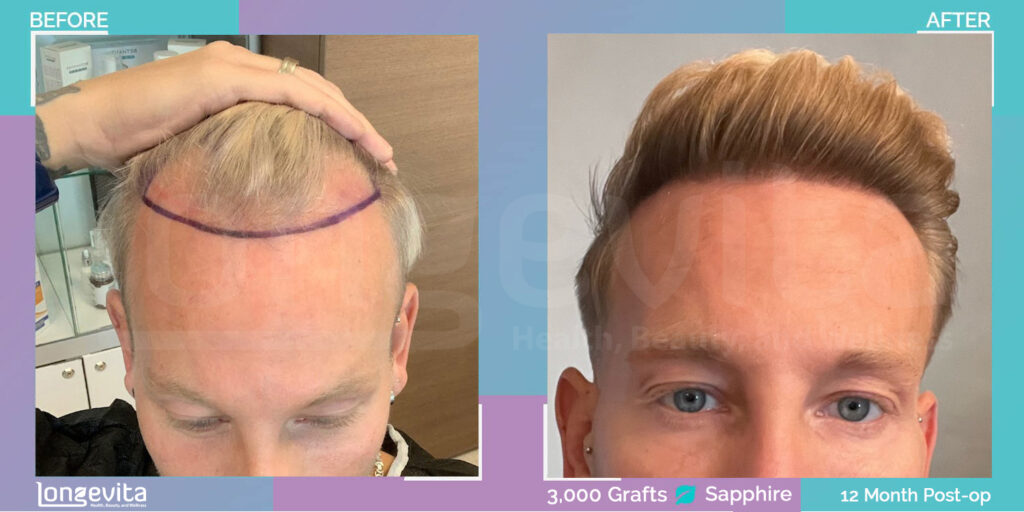
While hair growth usually starts 3 months after the surgery, it can take 12 to 18 months for you to see the final outcome of your Sapphire hair transplant. Keep in mind, however, that results can vary between people depending on different factors, such as type of hair, donor density, scalp skin, and the health of the patient.
- Age: 37
- Sapphire FUE
- 3,000 grafts
- 4 Months
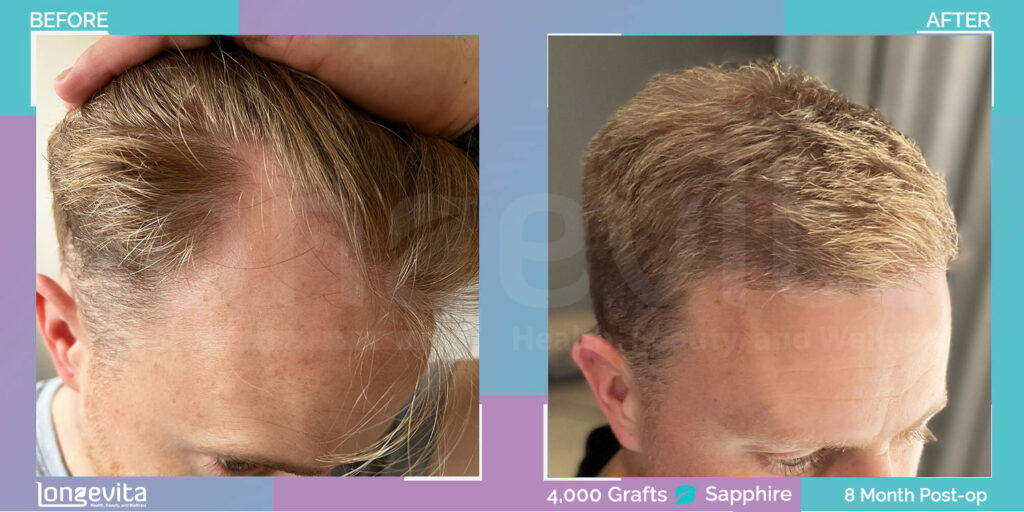
- Age: 32
- Sapphire FUE
- 4,000 grafts
- 8 Months
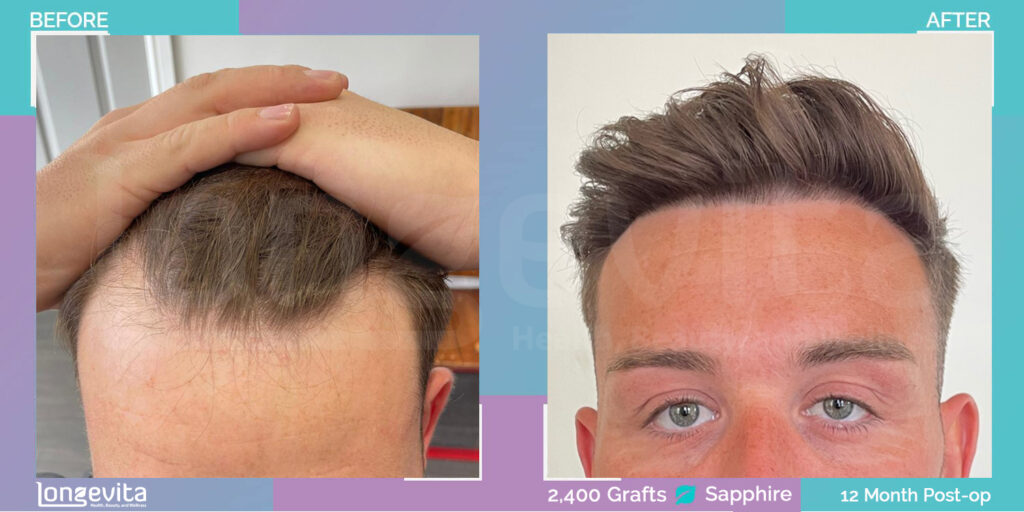
- Age: 30
- Sapphire FUE
- 2,400 grafts
- 12 Months
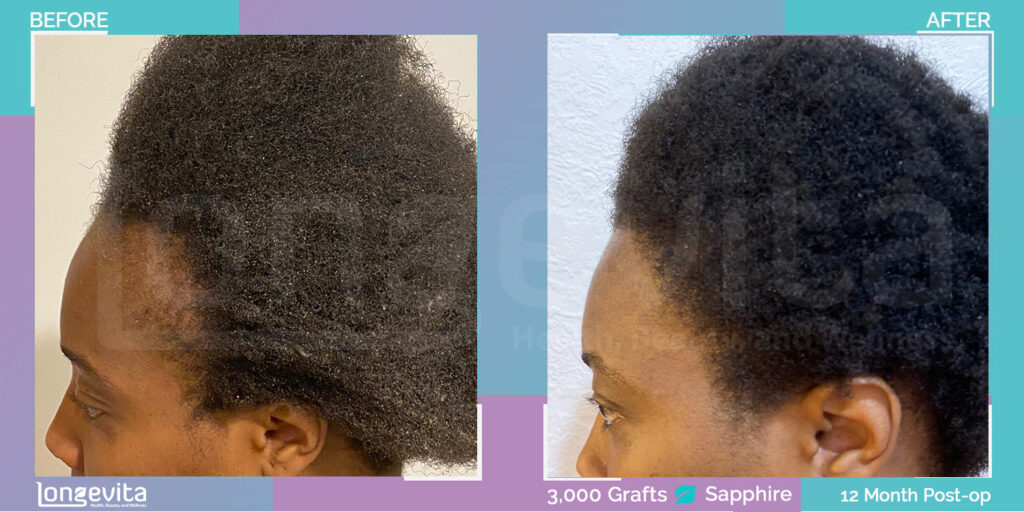
- Age: 32
- Sapphire FUE
- 3,000 grafts
- 12 Months
Kay's Sapphire Hair Transplant Journey

Patient Journey
0:41
0:43
0:54
1:25
Ready to start your Hair Transplant Journey in Turkey?
Fill out the form to receive a callback and book a consultation to receive your Free, no-obligation hair transplant treatment plan tailored specifically for your hair loss requirements.
Frequently asked questions about Sapphire Hair Transplants
Where Sapphire FUE uses a blade made with Sapphire to make scalp incisions, DHI uses a Choi pen to make incisions and place the grafts into them. Choosing between the two depends on where you’re balding and how many hair grafts you need. DHI is not recommended for the crown/vertex region. Its single session is also limited to 3,000 grafts, whereas 4,000 or so grafts can be transplanted in one session of Sapphire FUE.
Sapphire FUE can be a particularly suitable option for you over classic FUE if you want a quicker recovery, as the sharp Sapphire blades cause less scalp trauma than the blunt metal blades used in traditional FUE. With Sapphire, you also benefit from better graft survival and improved treatment results.
Sapphire FUE is slightly more expensive than traditional FUE because the former uses sharp laser-cut blades made with Sapphire, which, although cost more, offer quicker recovery and better graft survival than the metal blades used in classic FUE.
A Sapphire micro FUE hair transplant is the same as a traditional Sapphire hair transplant. “Micro” is merely a rebrand of the original term and emphasises the smaller incisions created by Sapphire blades. It’s not a new technique and is done the same way as any other Sapphire hair transplant.
With Sapphire hair transplants, you can restore your hair, while also experiencing better graft survival, reduced scalp trauma, faster recovery, and more natural-looking outcomes.
A Sapphire hair transplant is minimally invasive and, therefore, not scarless. It can leave small circular scars in the donor area, but they will fade with time. The tiny incision lines in your balding area(s) will also be hidden by the hair growing out of them.

Dr Cagla earned her medical degree at Trakya University’s Faculty of Medicine in Bulgaria and has almost 6 years of hair transplantation experience. She is a specialist in FUE, DHI and Sapphire hair transplants of the scalp, eyebrows and beard and has performed over 6,000 surgeries. Dr Cagla is multilingual, with fluency in English, Bulgarian and Turkish.