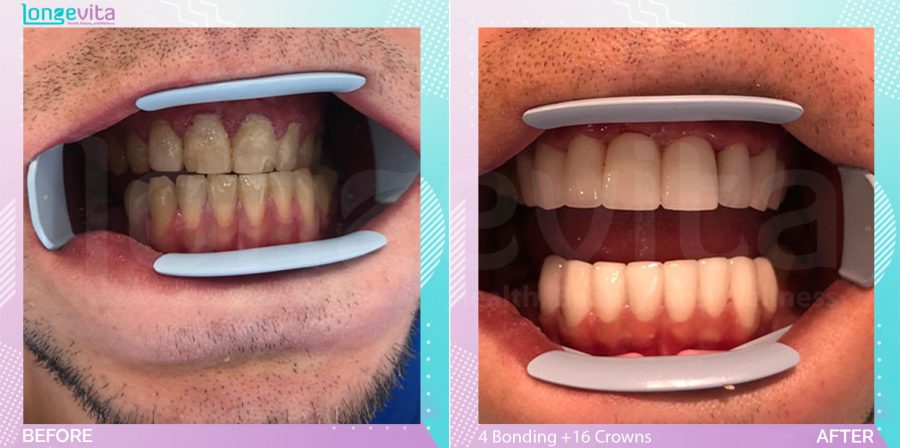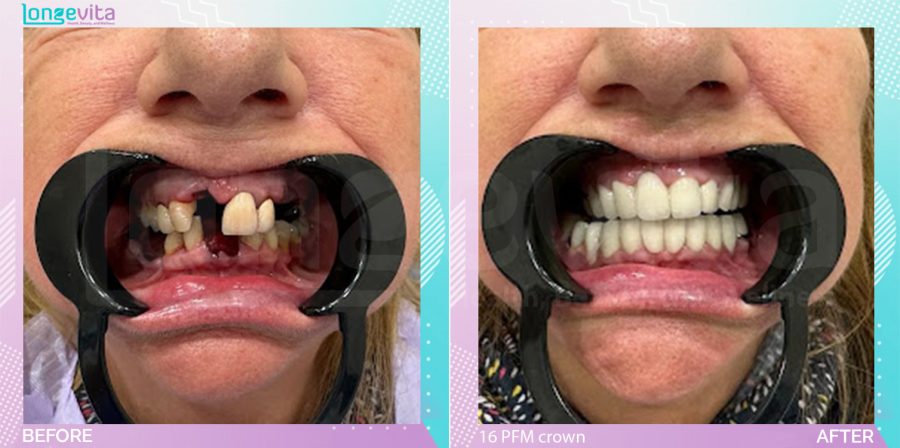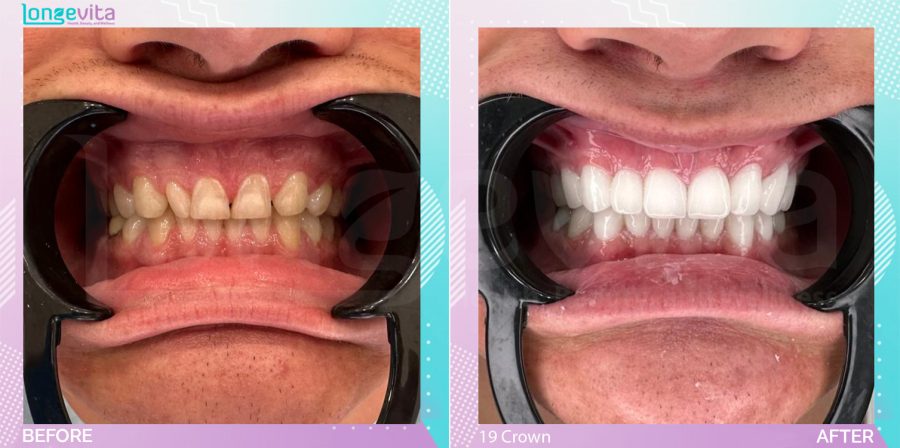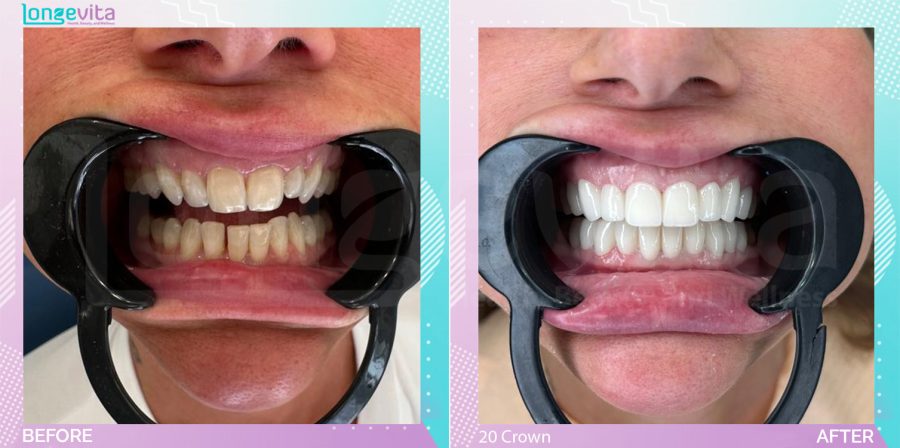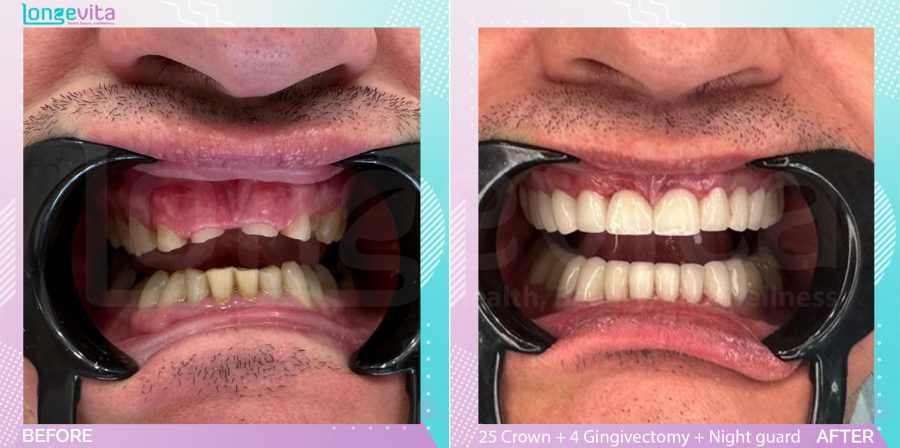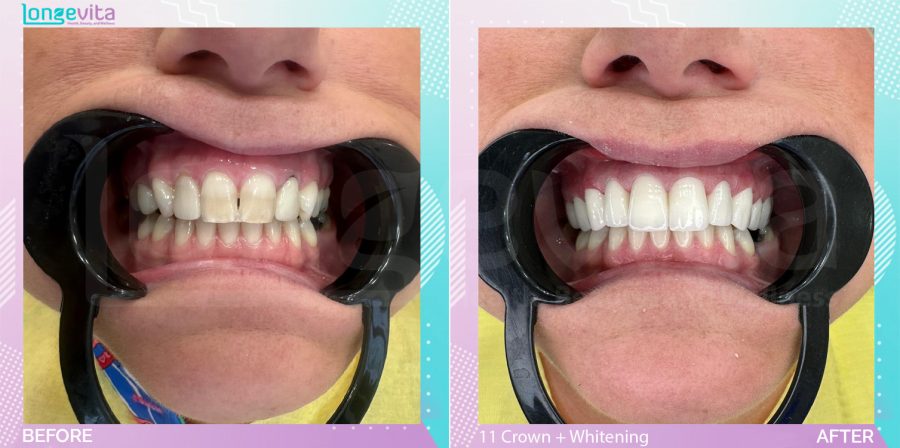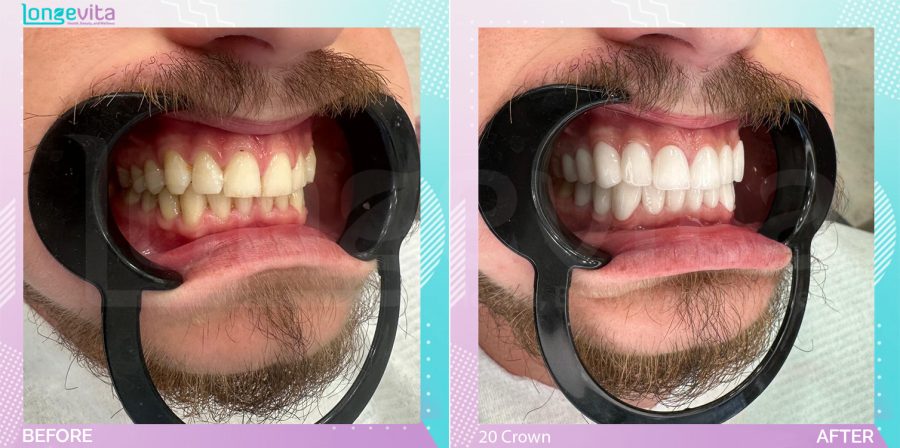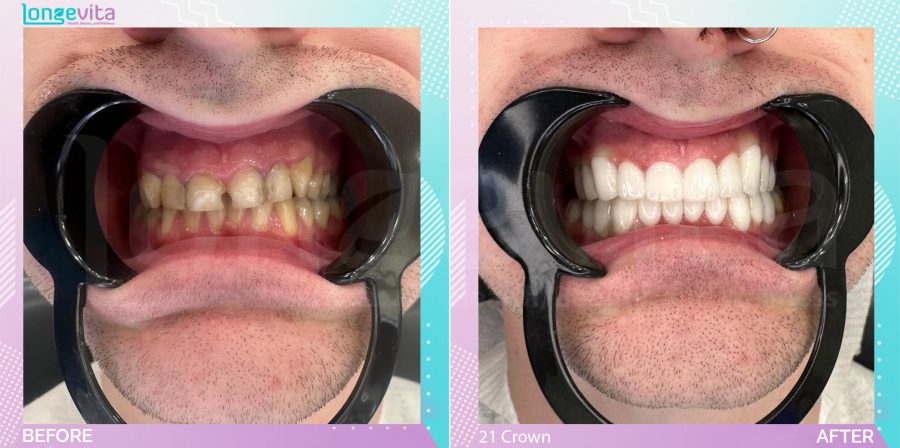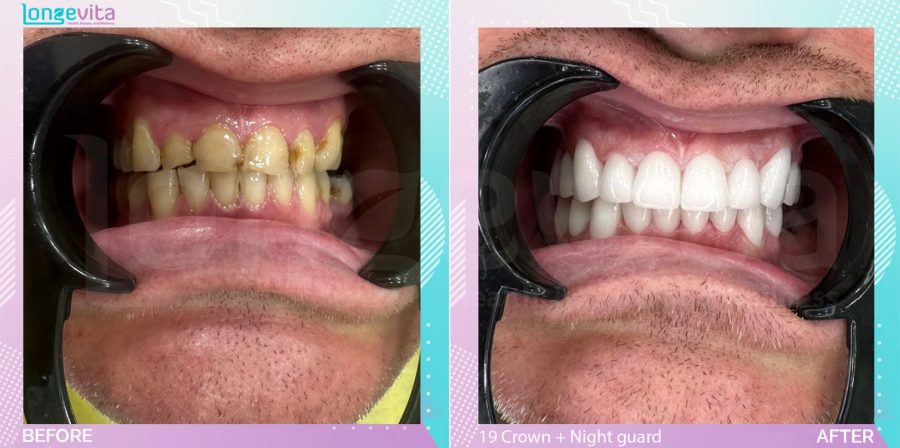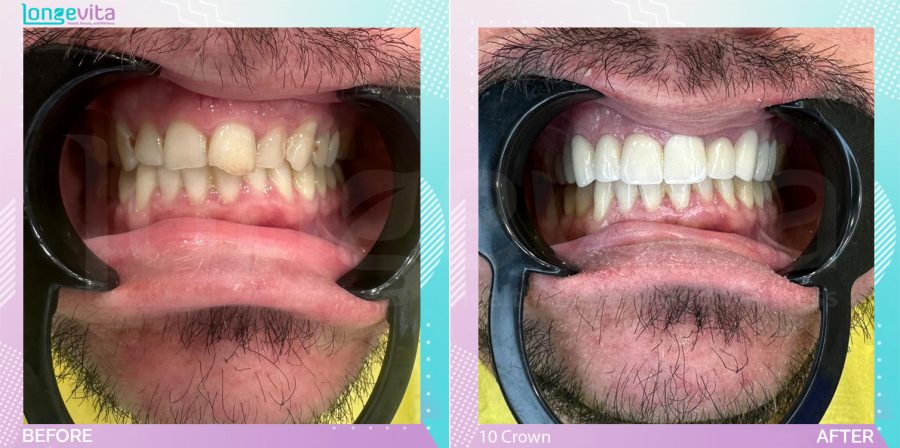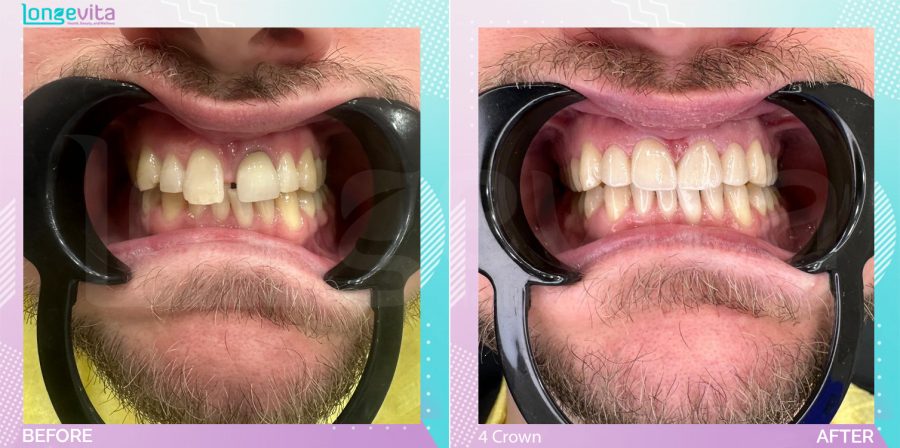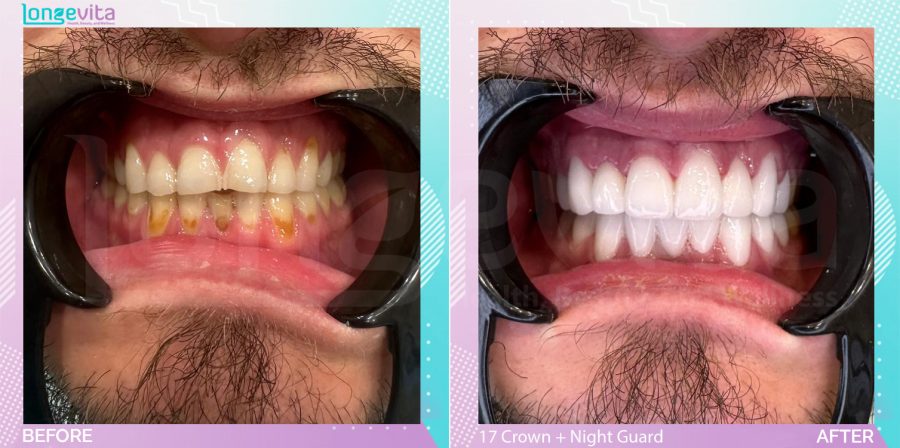
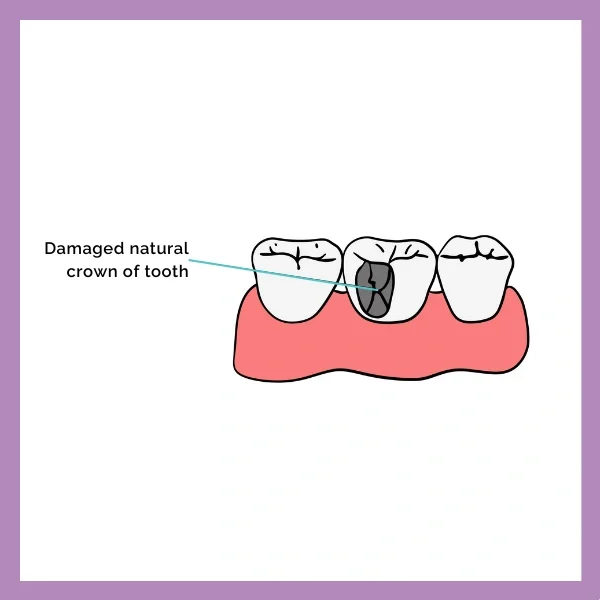
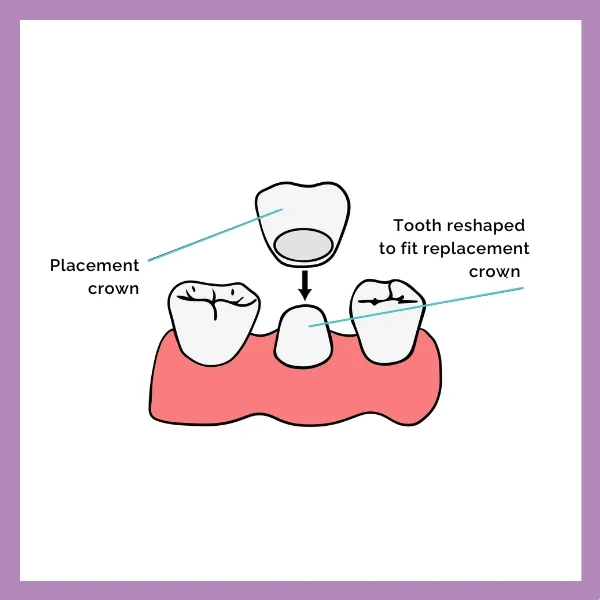
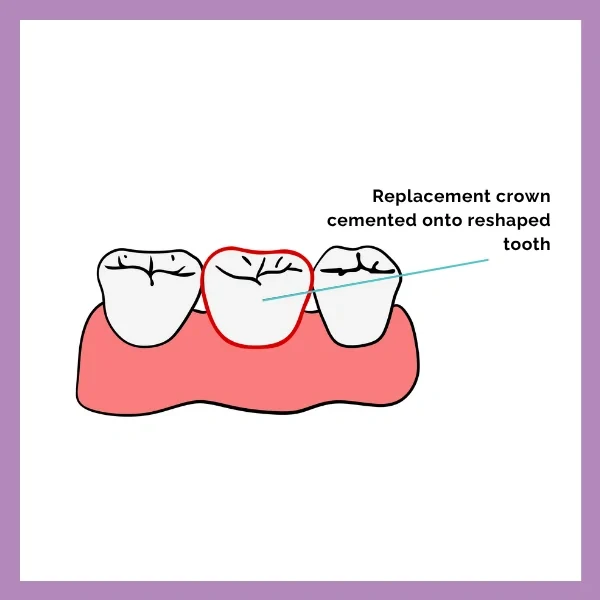
Dental crowns are custom-made restorations that look just like natural teeth. These “dental caps” are available in materials such as Emax, zirconia and porcelain-fused-metal to repair broken, damaged, stained or decayed teeth. Typically, dental crowns are fitted in 2 to 3 appointments, but they do not require any downtime.
Dental Crowns Quick Facts
What does a dental crown look like?
While dental crowns can appear different depending on the material used, porcelain crowns, which is one of the most popular materials, look like natural teeth and can match them perfectly.
Can you feel a crown in your mouth?
After a month or so, your dental crown should feel like your natural teeth. At first, you may feel some soreness and sensitivity, but it will get better with time.
Do dental crowns hurt?
When teeth are prepped for dental crowns, local anaesthesia is usually administered so you feel minimal pain. However, after getting a crown fitted, you may feel some discomfort, but it shouldn’t last long
How long do dental crowns last?
The durability of a dental crown varies depending on the material from which it is made. A good oral hygiene regimen and good care can bring them to a life expectancy of 10 to 15 years and even longer. Crown placement as well as adherence to post-treatment support guidance can also influence their longevity.
What Is A Dental Crown?
Dental crowns, or caps, are custom-made, artificial restorations that completely cover the entire surface of a tooth to improve its function and/or appearance. Dental laboratories fabricate crowns according to the unique tooth structure of each patient.
Dental crowns can protect teeth that are weakened from large fillings, fractures or decay, as well as restore the form and aesthetics of teeth that have been impacted by cracks, chips, wear, and stains. Their use is very popular in smile makeovers.
Crowns Vs. Veneers: Are They The Same?
A dental crown is not the same as a dental veneer. A crown encases the entire tooth, whereas a veneer only covers the front surface.
| Dental Crowns | Dental Veneers | |
|---|---|---|
| Coverage | Encases the entire tooth | Only covers the front surface of the tooth |
| Durability | Can last for 10 to 15 years | Can last for 5 to 10 years |
| Purpose | Restore decayed, damaged, and structurally compromised teeth, and/or improve their cosmetic appearance | Primarily used for cosmetic purposes, such as to fix stained, chipped, misaligned teeth and cover gaps |
| Tooth prepping | Around 1-1.2 mm of tooth shaved | Around 0.5 mm of tooth shaved |
When Do You Need A Dental Crown?
You might be recommended dental crowns by your dentist in the following instances:
- You have heavily filled teeth.
- Your teeth are broken, worn, decayed and/or badly cracked.
- You have severe and permanent stains on your teeth.
- You had a root canal on your teeth (making them brittle).
- Your teeth are misshapen.
- You have slight malocclusion (bite misalignment).
Established Expertise
For over a decade, Longevita has been facilitating quality dental treatments by independent service providers who are registered with the Turkish Dental Association, ensuring high patient satisfaction.
High-Quality Dental Crowns
Materials for crowns are sourced from countries such as Germany and Japan to ensure the highest level of quality for patients.
Free Aftercare Support
You’ll also receive regular virtual follow-ups for 1 year post-op. Even afterwards, you can reach out with any queries or concerns you may have.
Imaging Centres in the UK
A network of 11 affiliate imaging centres in the UK ensures accurate treatment plans and makes it easy for patients to get scans done locally
Range of Crown Choices
Zirconia, Emax, and porcelain-fused-to-metal crowns are available, as well as a 20-colour shade guide to choose from.
Ready to Transform Your Smile in Turkey?
Fill out the form to receive a callback and book a consultation. Our team will arrange your free, no-obligation cosmetic dental treatment plan tailored specifically to your smile goals and requirements.
What Are Dental Crowns Made Of?
Depending on their material composition, dental crowns can be classified into different types.
Emax Crowns
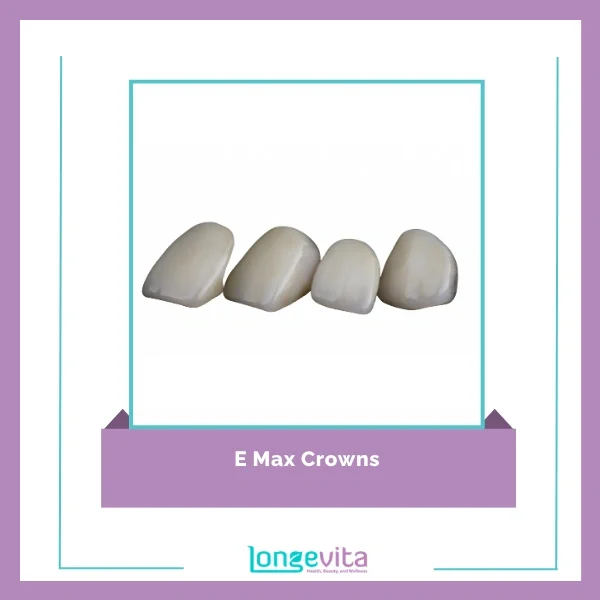
Emax is a type of porcelain crown made with an all-ceramic material. Because of its durability and natural appearance, it is one of the most popular types of dental crowns.
Emax crowns resemble natural teeth in their appearance, and they’re also slightly translucent, allowing them to reflect light in a way that further mimics real teeth. For this reason, they are typically used for the restoration of the front teeth.
Zirconia Crowns
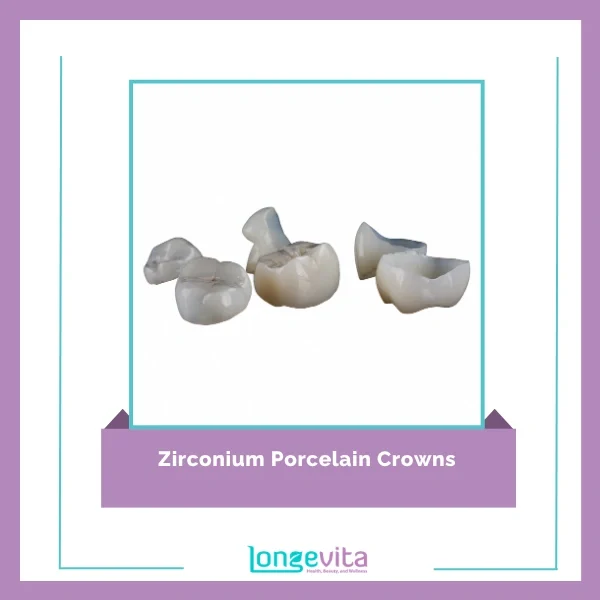
Zirconia, or zirconium oxide, is a type of ceramic crown which is even stronger than Emax, though less translucent.
A zirconia crown can also blend in quite well with the natural teeth — especially when coated with porcelain — though it’s generally considered more suitable for restoration of posterior teeth because of how strong it is.
Interestingly, since zirconia crowns retain their strength despite their thin structure, your dentist would have to remove less of your natural teeth for their placement.
Porcelain-Fused-To-Metal (PFM) Crowns
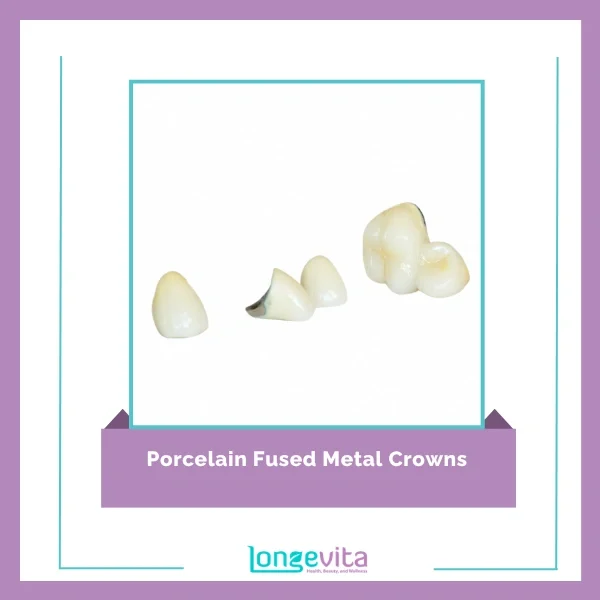
Porcelain-fused-to-metal, or PFM, crowns have a metal substructure with layers of porcelain on top. While the metal provides strength and durability to the crown, the porcelain helps improve its aesthetics.
Even so, the lack of translucency can make these restorations look a bit out of place. It can be compounded by a metallic line visible around the gum of the tooth, indicating the underlying metal substructure. Still, they can be useful for restoring the teeth at the back of the mouth.


How Is A Dental Crown Fitted?
A dental crown is typically fitted in 2-3 appointments.
First appointment:
In your first appointment, you’ll be given local anaesthesia, and your dentist will shave or “prep” the tooth that will be crowned. After it’s been shaved, they will take an impression of all your teeth. This mould is then sent to a dental laboratory, where the permanent crown will be fabricated (let your dentist know if you have specific requests for shape).
During the same appointment, your dentist will also determine the best colour for your new crown using a teeth shade guide together with your input. You may then be given a temporary crown to wear until your final one is ready.
The first appointment takes the longest and may last for 2 to 3 hours.
Second appointment:
The second appointment, which usually takes place 2 days after the first one, is when the dentist will place the custom-made crowns in your mouth to check its fit and shape.
If the crown is suitable, it will be permanently cemented on your tooth in the same appointment. However, if there are any issues with the crown, it will be sent back to the lab, and you’ll be scheduled for another appointment.
The second appointment may only take 30 to 40 minutes; the entire process, however, can take 5 to 7 days.


Anthony's Dental Crowns Journey
Patient Journey
1:25
0:43
0:41
Do You Need A Root Canal For A Crown?
No, a root canal is not always necessary on the tooth where a dental crown will be placed.
Whether it’s needed or not will depend on the condition of the tooth. For example, if decay has reached the tooth pulp or if the tooth has had multiple procedures or experienced trauma causing nerve death, a root canal will be required.
While in some cases, a dental crown is placed within a few days of the root canal (or even on the same day), in other cases, 1 to 2 weeks might be required, depending on the condition of the tooth.
Do Dental Crowns Have Side Effects?
You can experience temporary side effects after getting permanent crowns.
Pain and sensitivity are normal and expected after crown placement. You can experience them for as long as 3 months, but they should get better with time. You might be prescribed painkillers to alleviate discomfort.
Other than that, you can also experience some bleeding, as it will take a while for your gums to heal. Still, it’s important that you brush your teeth well. If you experience any pain in your gums, a saltwater rinse can help, but also make sure to discuss it with your dentist.
Another discomfort you may experience after getting crowns is changed speech, however, it’s only temporary. Because crowns change the shape and size of your teeth, they can affect the way you speak and pronounce certain words and sounds. After a few weeks, you will adjust, but you can speed up the process by reading aloud for 15 minutes every day, carefully articulating every word.
What Are The Dos And Don’ts After Getting Crowns?
Following the placement of your dental crowns, you will be given instructions on how to best care for your new teeth and ensure their longevity. A few of the aftercare instructions can be as follows:
Do maintain good oral hygiene
Make sure to brush your teeth twice a day (especially the area where the crown meets the gumline) and floss at least once.
Do wear a night guard if you grind your teeth
If you have a habit of grinding or clenching your teeth at night, it can crack or break your crown, which is why you should consider wearing a night guard. Masseter botox can also help you with teeth grinding.
Do not bite into hard foods
Pressure from hard foods can chip or crack your crown. Therefore, do not bite directly into hard and crunchy foods (e.g. ice, raw carrots, nuts). Instead, cut them into bite-sized pieces.
Do not use your teeth as tools
You should neither chew on hard objects like pencils or pens nor use your teeth to open any bottles or packages.
Do not eat sticky foods
Be careful when eating chewy foods like raisins, gum, caramel, and candy. Sticky foods can cause cavities and lead to tooth decay, which can make your crown fall off.
Do not smoke
Discontinue smoking for at least a few days after the treatment, as nicotine can constrict blood vessels and slow down healing.
* Aftercare instructions can vary between dentists, so make sure to follow the advice of your own dentist.
You will be explained all the aftercare instructions in your final appointment with the dentist. Even so, if you have any questions or concerns at any time during your recovery, do not hesitate to reach out to us at support@longevita.co.uk.
How Much Is A Dental Crown In Turkey?
With Longevita Dental in Turkey, we can arrange dental crowns from £130 to £225 per tooth — the price is determined by the material of the crown.
| Cost Of Dental Crowns In Turkey (Per Tooth) | |
|---|---|
| Porcelain-Fused-To-Metal | £130 |
| Zirconia | £200 |
| Emax | £225 |
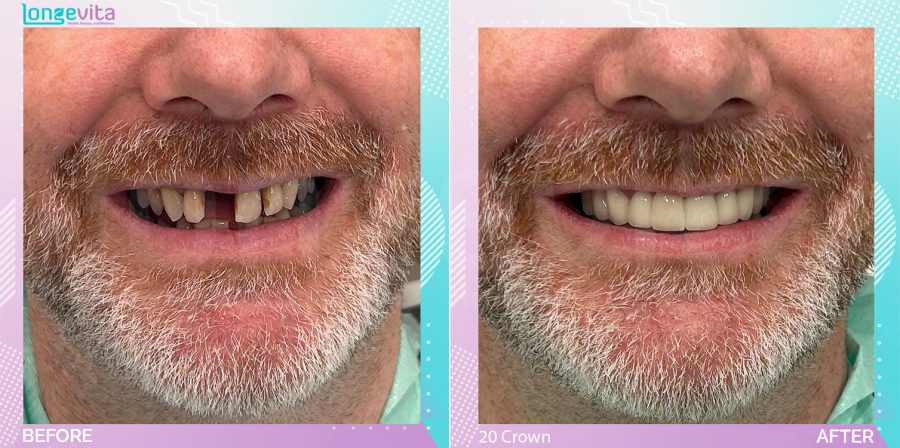
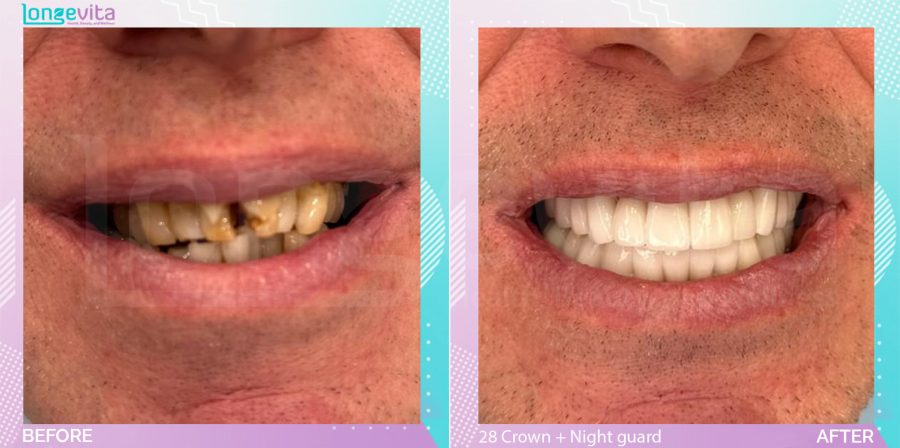
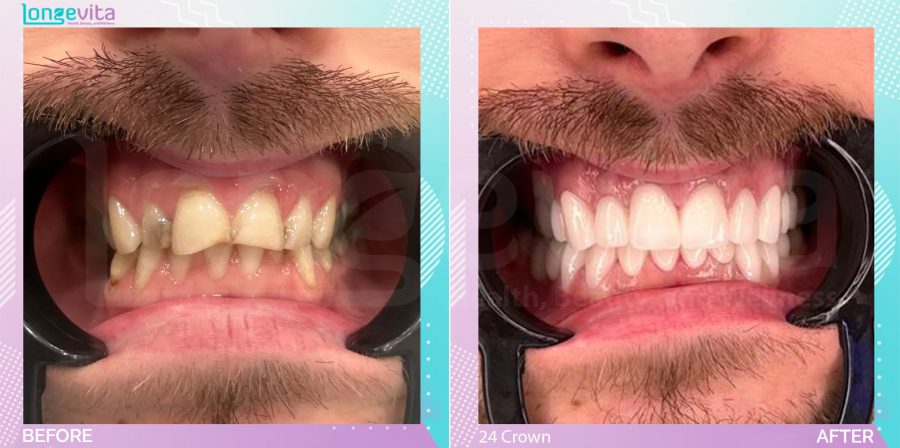
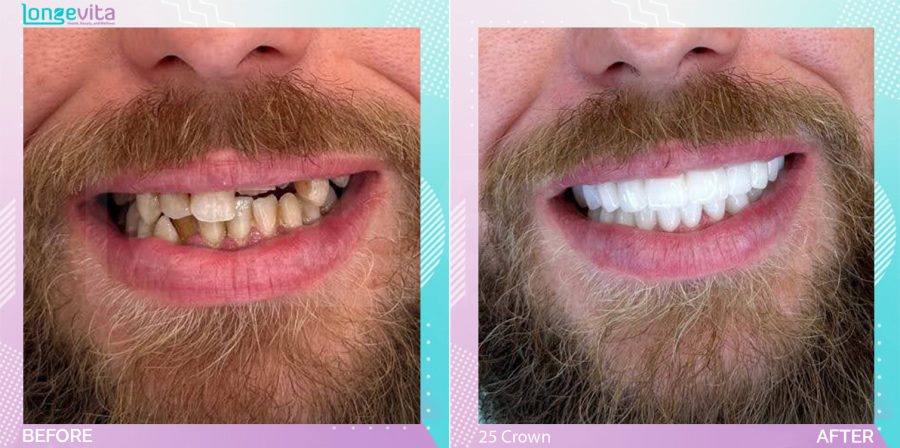
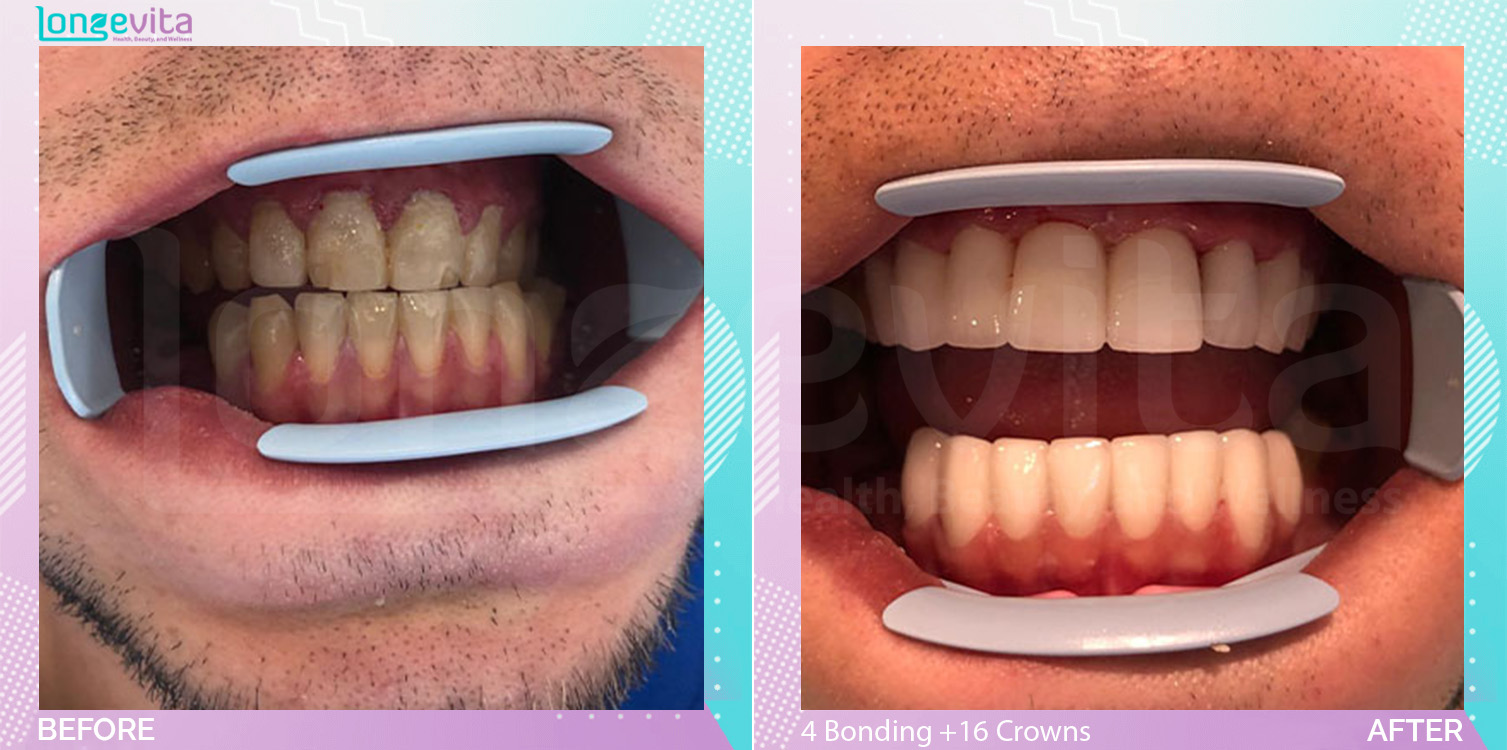
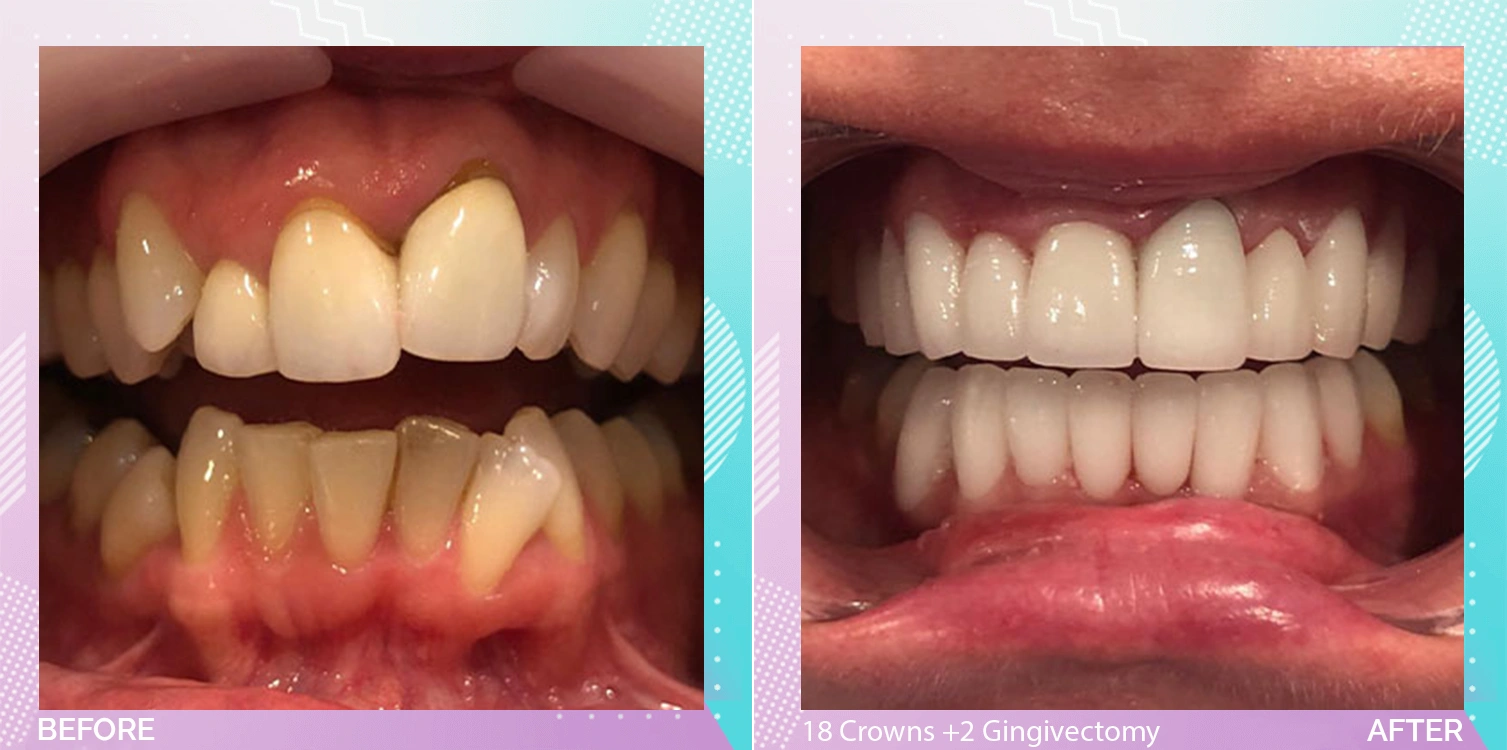
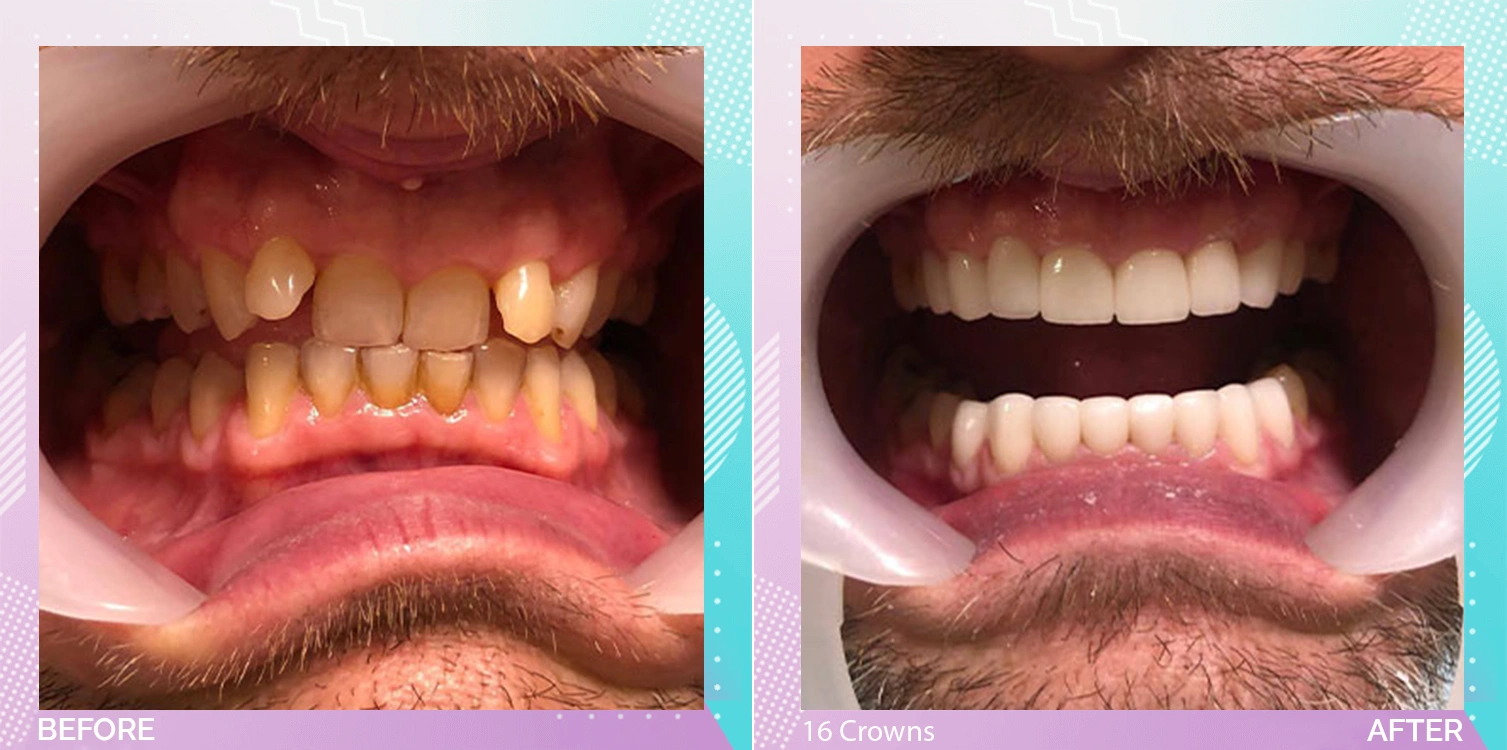
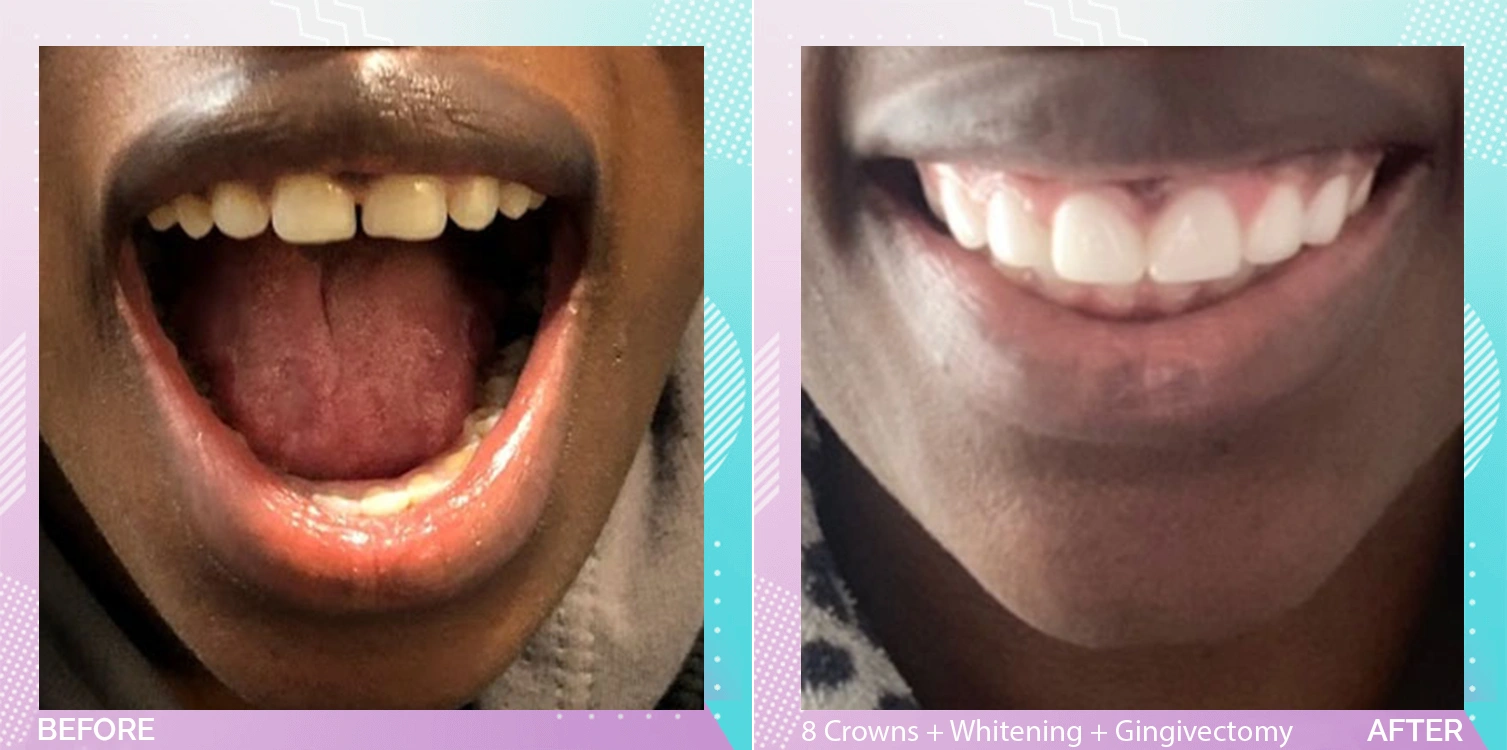
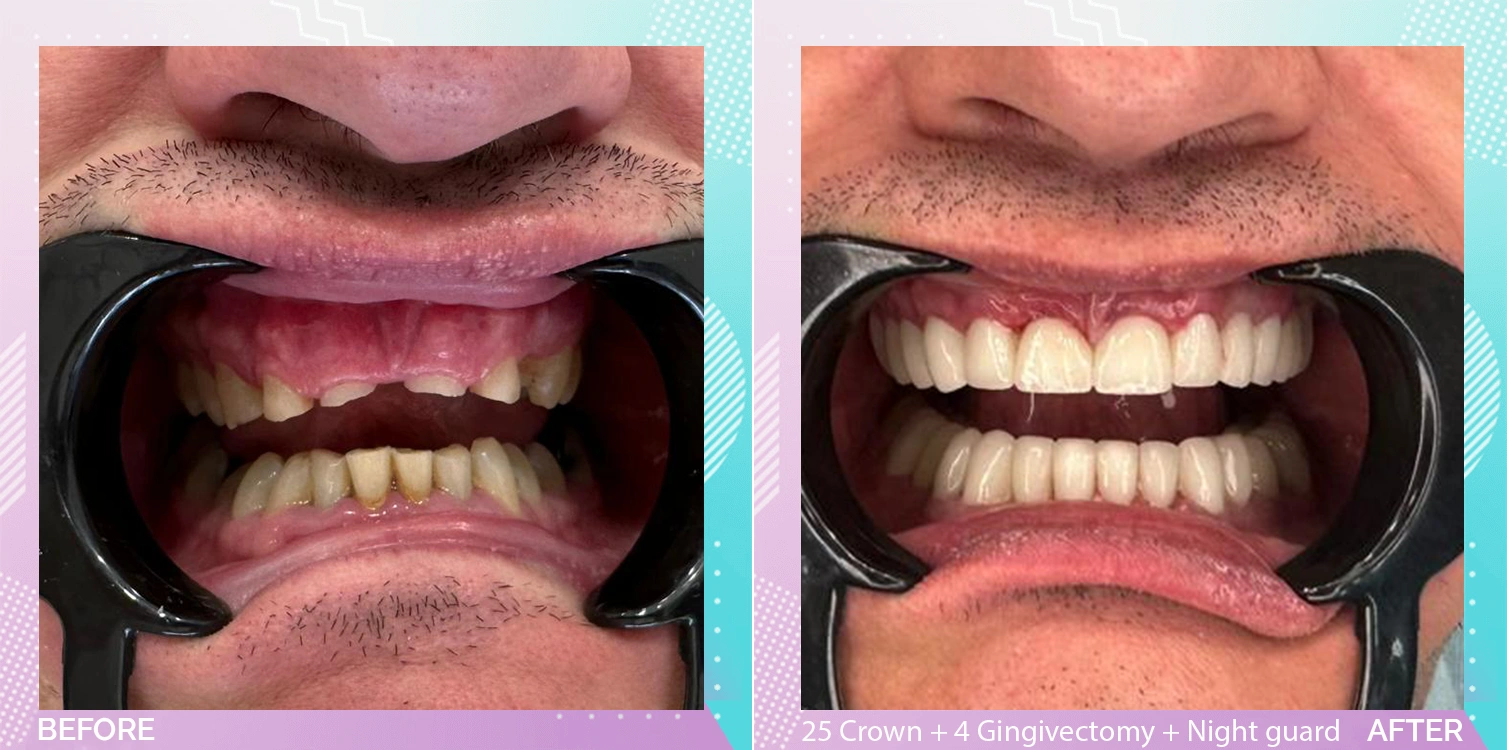
Dental Crowns Turkey Before-And-After Photos
Dental crowns are a highly effective way to improve both the appearance and function of your teeth. With proper care, they can last over a decade. See how they’ve transformed countless smiles.
*Individual results can vary
Dental Crowns Patients
Hear What Dental Crowns Patients Say!
Frequently asked questions
Can you whiten dental crowns?
No, dental crowns cannot be whitened with an in-office or at-home teeth whitening treatment. This is because these restorations retain their original colour.
Can an MRI be done with dental crowns?
Most modern dental crowns, including porcelain-fused-to-metal crowns or crowns made with noble metals (like gold or titanium), are non-magnetic or only slightly conductive and do not pose a safety risk during an MRI. These materials are usually MRI-compatible, and patients with such crowns regularly undergo MRI scans without issue. However, make sure you always inform the radiology team about any dental work or implants before the scan.
Can you get dental crowns on the NHS?
Yes, dental crowns are available on the NHS if you have a medical need, but you cannot get them for cosmetic reasons.
Can dental crowns be replaced?
Yes, you can get your dental crown replaced if it has been damaged or you’ve experienced tooth decay. However, you do not “need” to have your crowns replaced after a certain period of time.
How many times can a dental crown be replaced?
There’s no set number of times a dental crown can be replaced. It mostly depends on how much healthy tooth structure remains underneath. If there’s enough, you can have the crown replaced as often as necessary. However, keep in mind that each replacement involves shaving down the natural tooth further.
When is it too late for a dental crown?
It might be too late for you to get a dental crown if your tooth is so badly damaged or decayed that your dentist might recommend extraction instead.
Are dental crowns safe?
Dental crowns have been used in dentistry for a long time and are generally considered safe. You must, however, remember that, like any other treatment, it has potential risks.
Do crowns get loose over time?
Normally, a dental crown will not become loose with time. There are, however, a few reasons why this could happen, including decay in the underlying tooth, poor crown fitting, cement issues, or not having enough tooth structure underneath, among other things. If you have a loose dental crown, make sure to get in touch with your dentist.
Can you replace a crown with a veneer?
A crown cannot be replaced with a veneer since fitting a crown requires reshaping the entire tooth structure, which would prevent a veneer from adhering properly.
How long do dental crowns last?
Typically, dental crowns can last for 10 to 15 years. However, their longevity is affected by their material composition and where they are placed in your mouth, your oral hygiene, as well as adherence to post-treatment support guidance.