Black Woman Who Suffered Traction Alopecia Opens Up About Two Hair Transplants
Maradona Tinker shared her experience as part of a Longevita press campaign and received a fee for taking part.
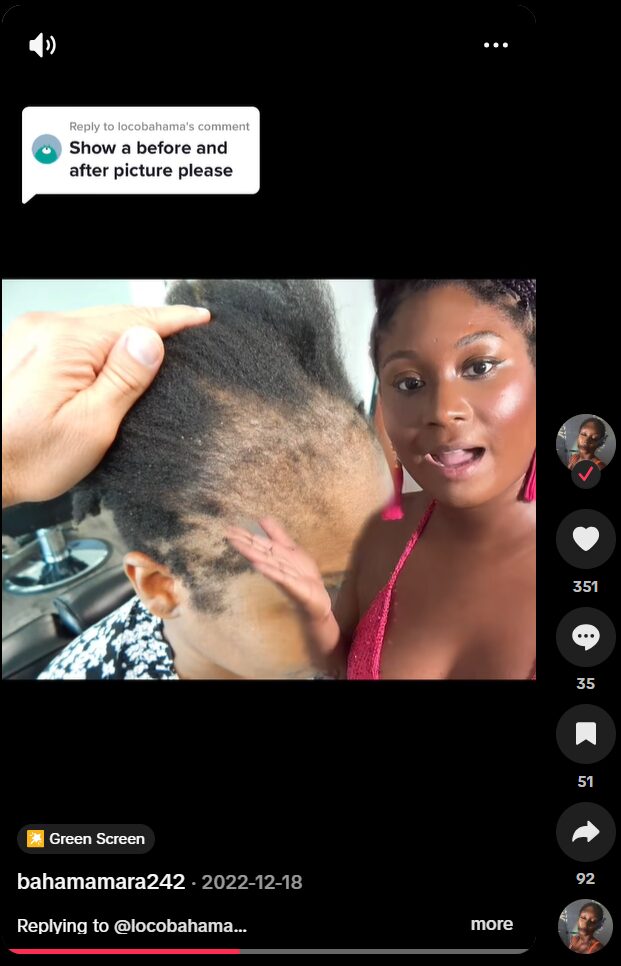
Maradona Tinker, 33, a travel vlogger and singer, underwent two hair transplants after traction alopecia left her with a severely receded hairline and bald patches along the front of her scalp.
The condition, often triggered by tight hairstyles, affects up to one in three women of African descent. After her own experience, Maradona is now challenging the stigma around female hair transplants and urging women who are on the fence to take the plunge.
Before her first procedure, Maradona had tried everything she could to fix the bald patches, with her hairline receding by more than an inch.
“Whether it was oils, ointments, creams, you name it, I tried it, but I eventually decided on hair transplant surgery,” she said.
Traction alopecia can sometimes be reversed in its early stages, but prolonged tension on the hair follicles can lead to permanent damage over time.
Maradona underwent her first hair transplant in the US in 2022, which restored her hairline and covered much of the baldness. However, wanting to further improve the overall density, she later opted for a second procedure in 2024, having it in Turkey after finding it would cost around $6,000 less.
Maradona’s journey is also shared on her TikTok account: @bahamamara242
"As a Black woman, I was worried..."
For the second surgery, Maradona chose Longevita to facilitate her treatment, a UK-registered company arranging treatments in London and Istanbul. Yet Maradona had concerns about the success of the surgery because of her hair type. Afro hair grows in a curved pattern beneath the skin, which can increase the risk of grafts being damaged during extraction.
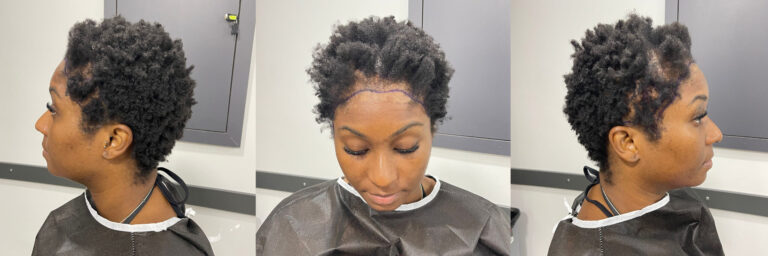
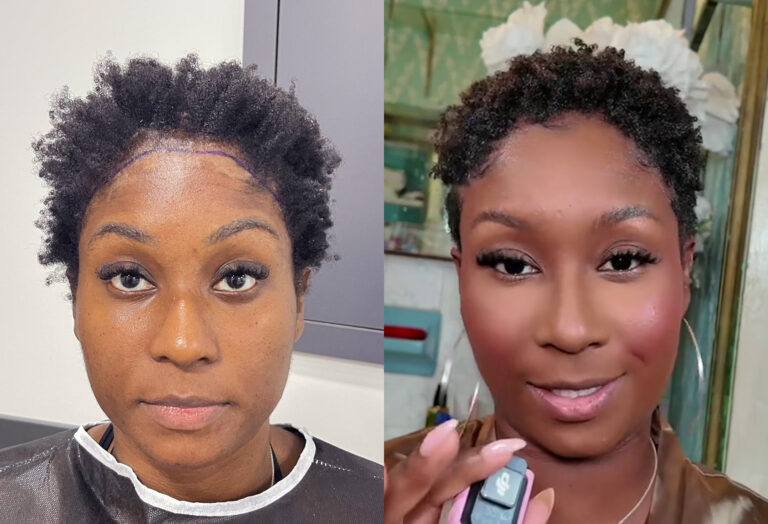
Before the second hair transplant surgery.
“As a Black woman, I was worried about whether the clinicians really understood my hair type,” she said. “But the doctor showed me a number of before-and-after photos of patients with the same hair type as mine who had excellent results, so I felt reassured that I was in safe hands.”
In total, 2,000 grafts were transplanted into the frontal area, where Maradona was most concerned about visible gaps. “I am a bit scared of needles, and they need to do tests and inject the anaesthetic, which can be a bit painful,” she said. “But it helps to focus on the end goal, which is getting your hair back. And while there’s still stigma around shaving your hair as a woman, I chose to embrace it.”
"Hair transplant is really worth it"
Maradona said the journey from visible hair loss to having her hair back was not instant, with full hair transplant results typically taking around a year to show. Going through the process also helped her better understand her hair and treat it more gently, choosing to avoid colouring and excessive styling, instead allowing it to grow out naturally.
“For anyone wondering whether a hair transplant is really worth it, I can say yes, it works. And for me, it worked wonders!”
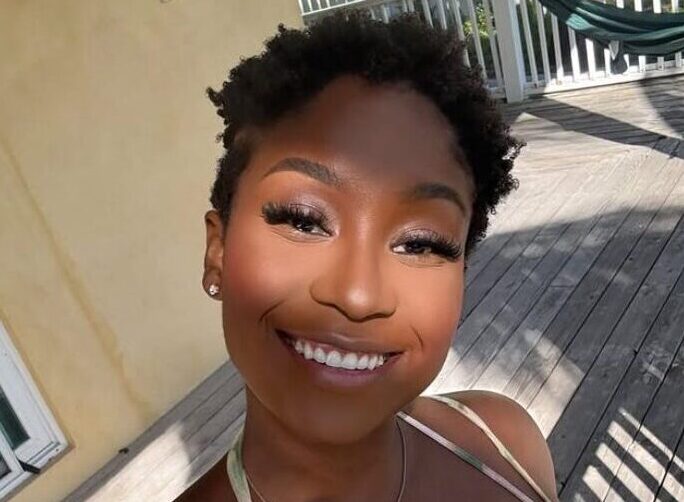
15 months post-op.
15 months post-op. Maradona’s journey is also shared on her Instagram account: @bahamamara
Hello would you like a free e-consult?
Hello would you like a free treatment plan and a price quote?
Tap the icon at the right bottom to make an enquiry.