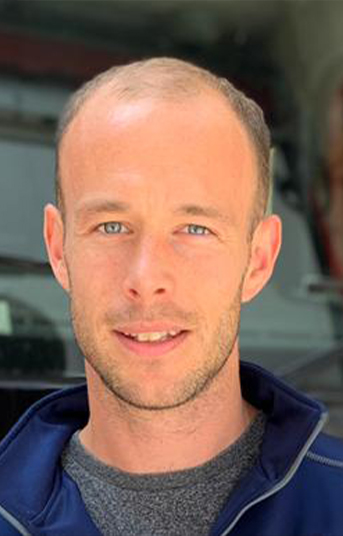
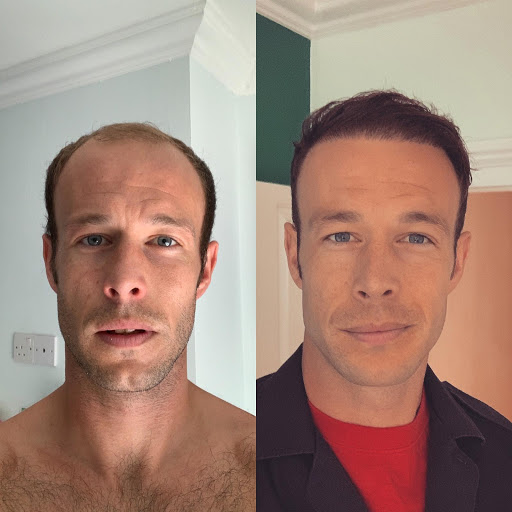
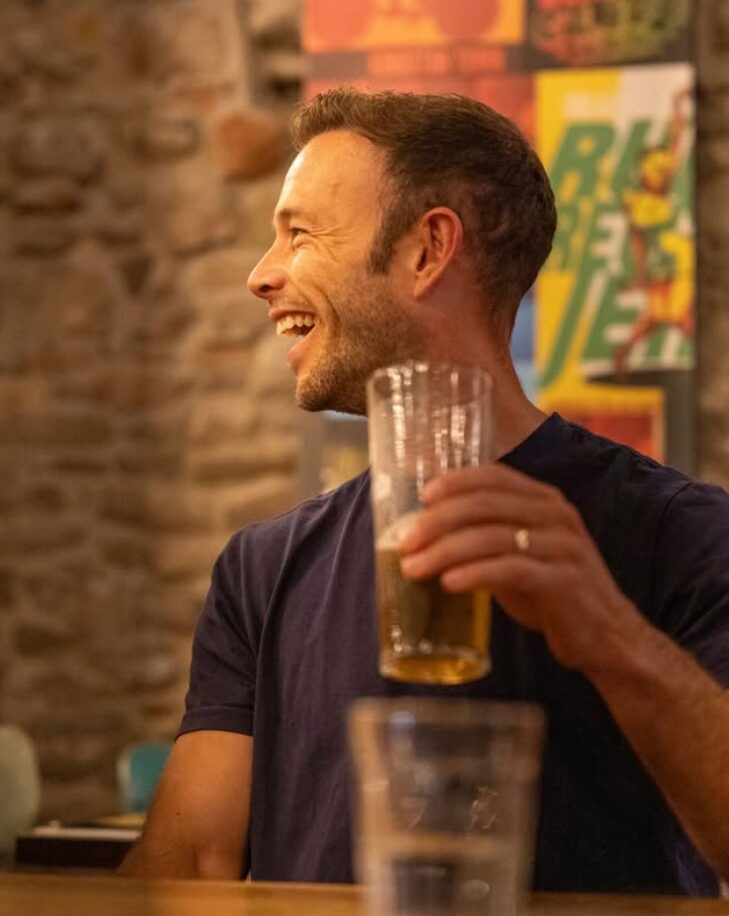
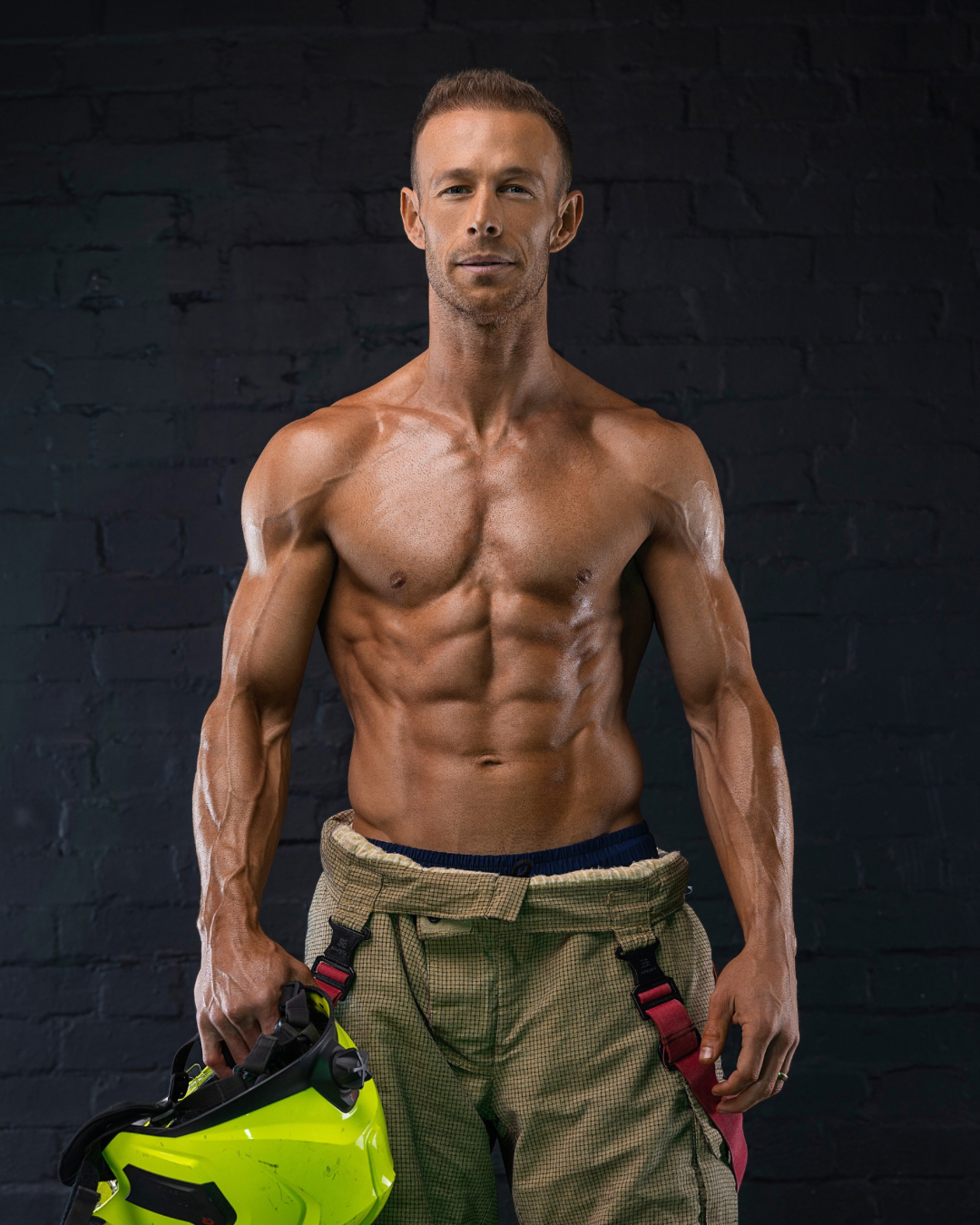
A firefighter who spent years “living in a hat” after losing his hair says a series of confidence setbacks and awkward moments gradually built up, until a chance encounter with someone who had undergone the procedure finally convinced him to travel to Turkey for a hair transplant.
Christopher James, now 39 and living in Bournemouth, first noticed his hairline receding at just 20. What started as something subtle quickly became a growing source of anxiety, especially when he began seeing it in photos.
Looking back, he admits that was the turning point. He started to realise something was changing, and that it wasn’t going to stop. As his hair thinned, his confidence followed, and he found himself constantly comparing his appearance to his friends.
Over time, hiding it became part of his routine. He changed hairstyles, then eventually gave up and relied almost entirely on caps.
“You start to feel like you’re not really seen in the same way.”
He says the hat became a kind of “armour”, something that allowed him to feel more like himself in public.
Whether playing cricket or working in the fire service, having something on his head gave him a sense of normality. But moments when it had to come off, like team photos or removing his helmet, brought a sudden wave of anxiety.
“I felt fine with it on,” he said. “But as soon as it came off, the dread would kick in. You just think, ‘Oh God.’”
What seemed like a small adjustment on the outside masked a deeper impact. Christopher says the experience left him feeling like he was always “second best,” especially in social situations where confidence mattered.
That feeling was reinforced by jokes from those around him.
Nicknames like “Baldilocks” and “Recedo” became part of everyday life, something he laughed off at the time, but which gradually wore him down.
He says the impact became even more noticeable in social situations, particularly when it came to meeting women.
While his friends appeared more confident, he often felt more self-conscious and increasingly aware of his appearance. “It definitely affected my confidence,” he said.
“You start to feel like you’re not really seen in the same way.”
In an attempt to fix the issue, Christopher tried several alternatives, including hair fibres and laser treatments, spending close to £1,000 overall with little to show for it. A consultation at a top hair transplant clinic in London only added to the frustration when he was told a transplant might not even work for him, and could cost thousands.
“That pretty much crushed it for me at the time,” he said.
For a while, he stopped looking for solutions altogether until a chance encounter changed everything.
After spotting someone he knew with a full head of hair despite previously being bald, Christopher reached out and discovered that he had undergone a hair transplant in Turkey, with the journey arranged by Longevita, along with several of his friends.
“That was enough for me,” he said. “I thought, if it works, it could change everything. If it doesn’t, I’m no worse off.”
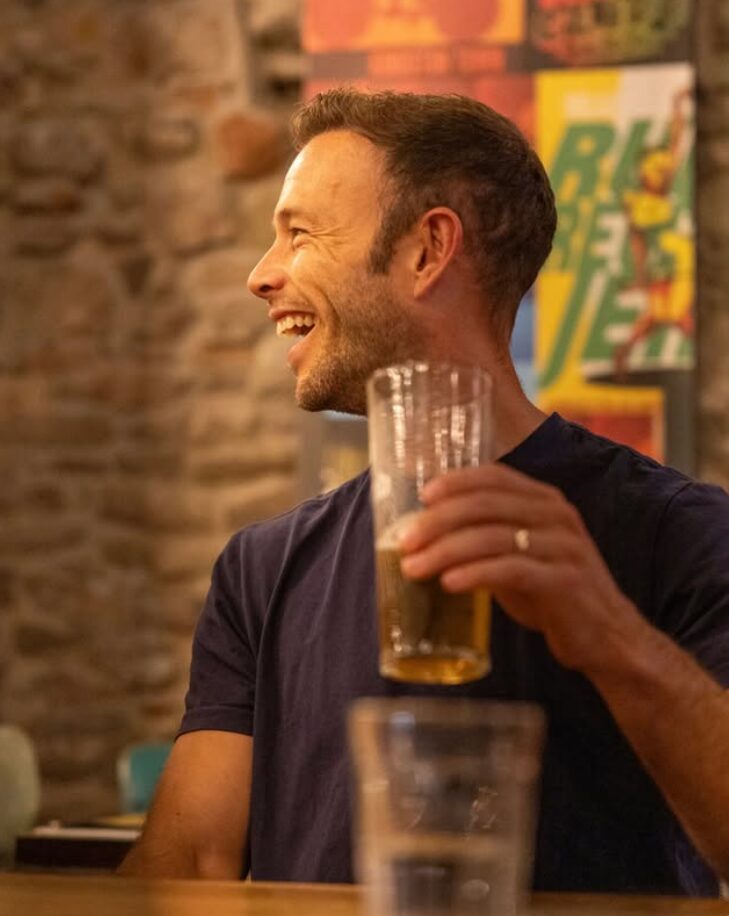
"It was the First domino"
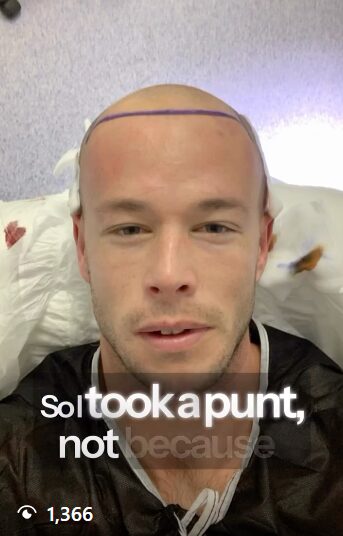
In 2019, he travelled to Istanbul, where he underwent a 4,500-graft FUE hair transplant, arranged by Longevita. While he found the anaesthetic injections uncomfortable, he describes the rest of the process as straightforward.
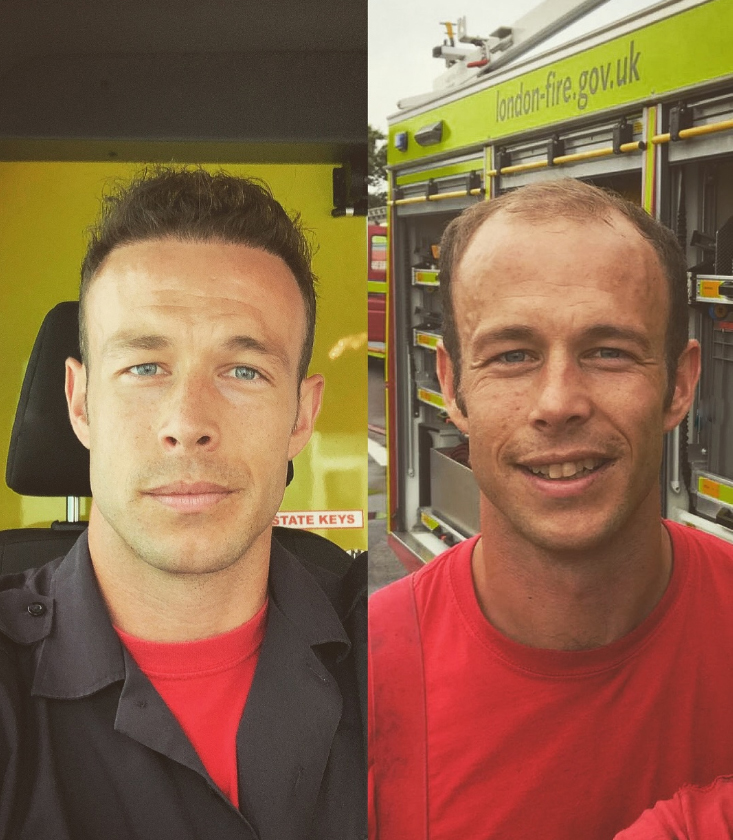
For Christopher, the change became visible within weeks though results vary between individuals. With it came a shift in how he saw himself.
“I remember looking in the mirror and thinking I looked like a new man,” he said. “I was buzzing.”
Now, years later, Christopher says the biggest transformation wasn’t just physical.
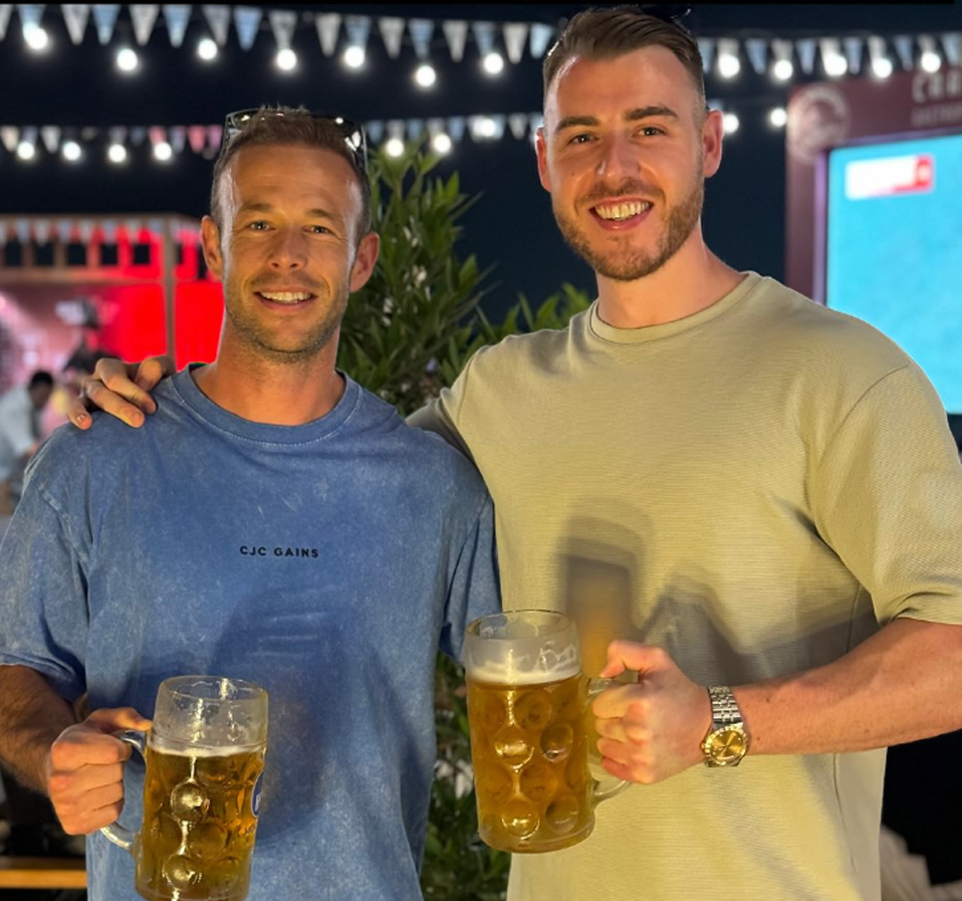
The confidence he gained became a turning point, something he describes as “the first domino.” After 13 years in the fire service, he went on to build a career in fitness coaching, making life changes he says he wouldn’t have considered before.
“I wouldn’t be doing what I’m doing now if I hadn’t done it,” he said. “It gave me that belief in myself.”
While he admits some insecurities still linger, the difference is clear.
“If you’d told me ten years ago this would be my biggest worry, I’d have taken it in a heartbeat,” he said.
Now, he hopes that by sharing his experience, others going through the same thing might feel less alone, and realise there are options.
Looking back, he says one of the hardest parts wasn’t just the hair loss itself, but how little it was talked about, especially among men.
“I just wish someone had spoken about it when I was in that position,” he said. “At the time, it felt like something you just had to deal with on your own.”
Now, he sees it differently.
“I know how much it can affect you,” he added. “And I know how much things can change when you actually decide to do something about it.