
‘I wore a scarf even at home’: Breast cancer survivor, 52, hid her hair for years after chemotherapy – even from her children
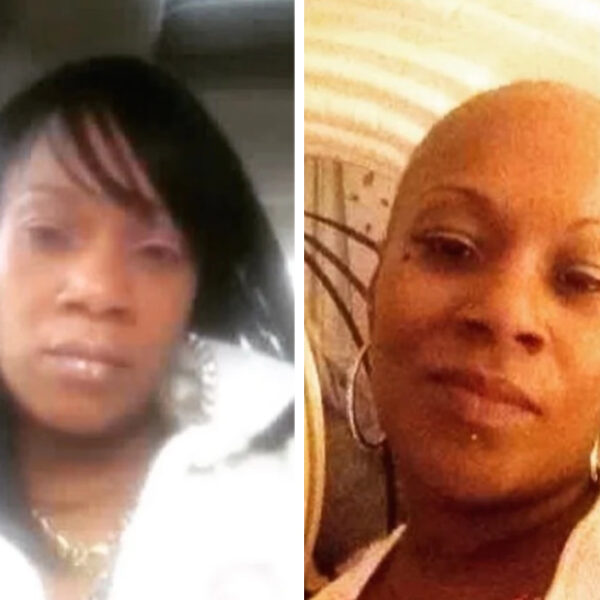
Breast cancer survivor Natasha Veerasawmy underwent a mastectomy and chemotherapy, but some of the effects of treatment stayed with her for years. Although much of her hair grew back, her frontal hairline never fully returned.
The 52-year-old London mother of four and founder of Bonded Thru Cancer says hair loss remained a deeply personal challenge long after her cancer treatment ended.
“I shied away from anyone seeing my hair. Even in my house, I wore a scarf every day when I didn’t have a wig on.”
“All I thought about was living”
Natasha was diagnosed with stage 3 breast cancer in February 2014.
“I was running my bath water. As I leaned over, my hand brushed against a lump in my breast. I stood up and said, ‘Oh my God, what is this?’ It was like a tennis ball.”
Cancer has affected 15 members of Natasha’s family, including her mother. At the time of her diagnosis, her older sister, Allana, was already undergoing treatment.
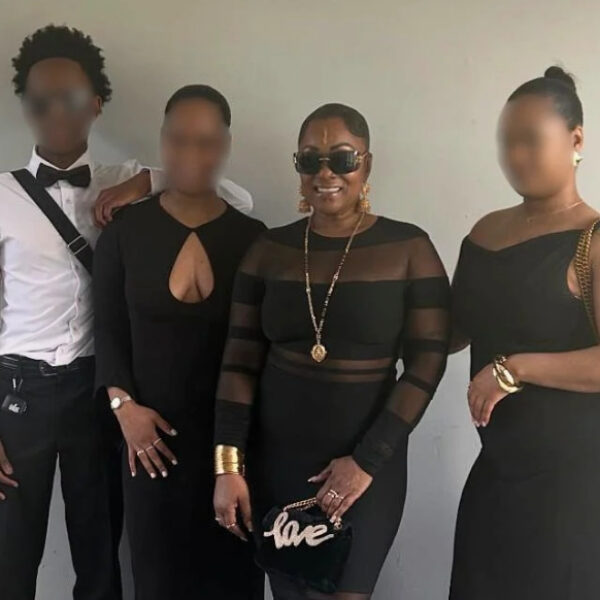
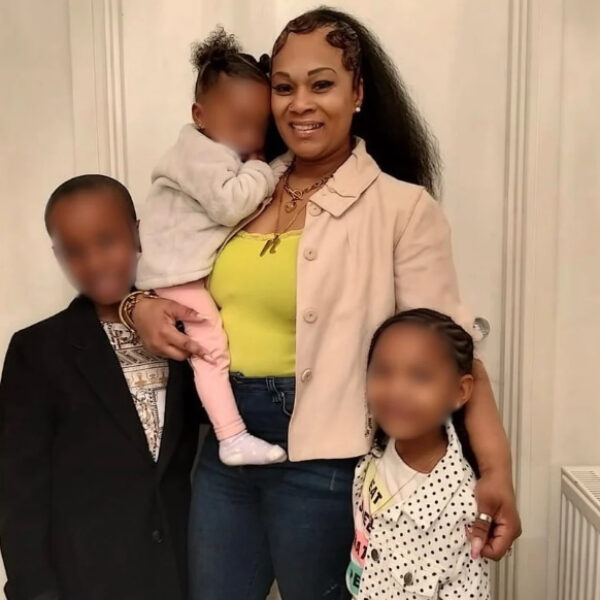
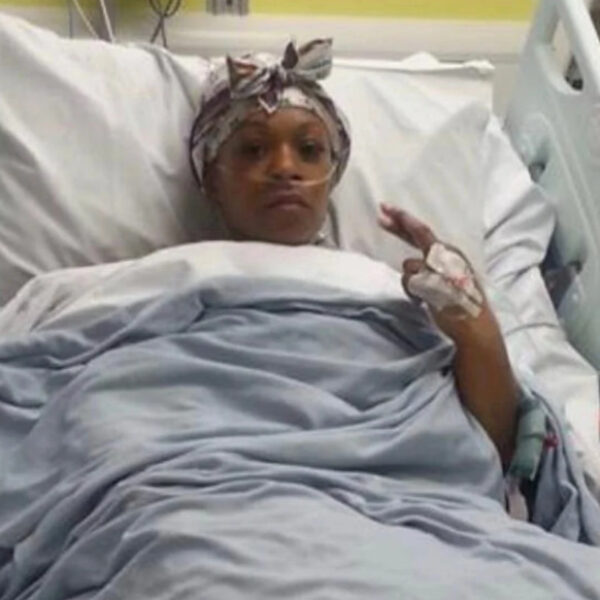
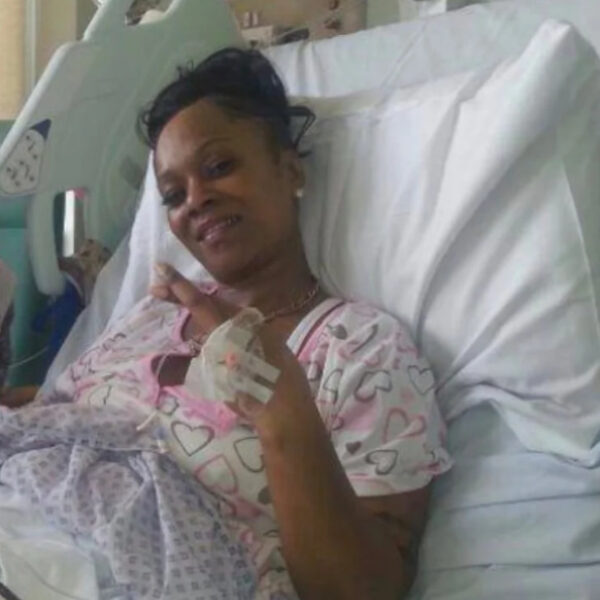
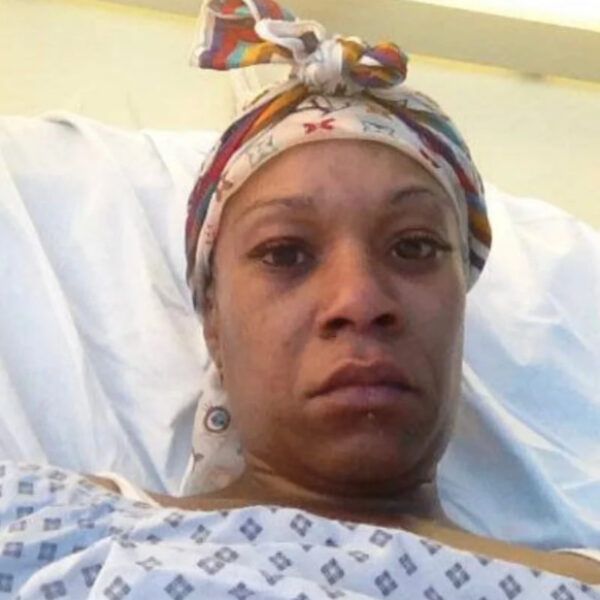
Determined to fight, the single mother of four recalls telling her oncologist, “If you are telling me I have cancer, then you must tell me how to fight.”
“All I thought about was living. How am I going to live? I gotta live.”
She chose to undergo a mastectomy with breast reconstruction, followed by chemotherapy.
During treatment, she lost Allana.
“We were both fighting strong. When she passed, it just... It broke me. It stopped me in my tracks. I couldn't function. But her death has also motivated me to keep going,” she says.
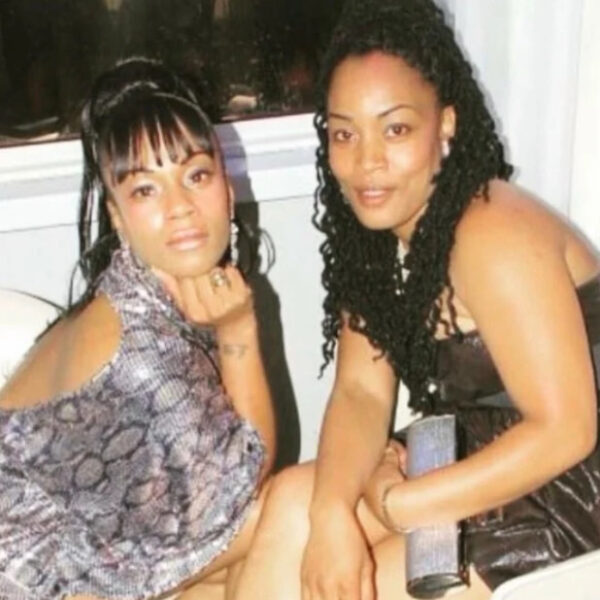
“Putting on a wig was like putting on a mask”
Natasha recalls how quickly she began losing her hair.
“I've always had long, thick hair. But from the first chemo, my hair started to come away from my scalp. It just wipes away like a banana peel, just gone.”
“I'd already had my breast removed, but losing my hair was one of the hardest things.”

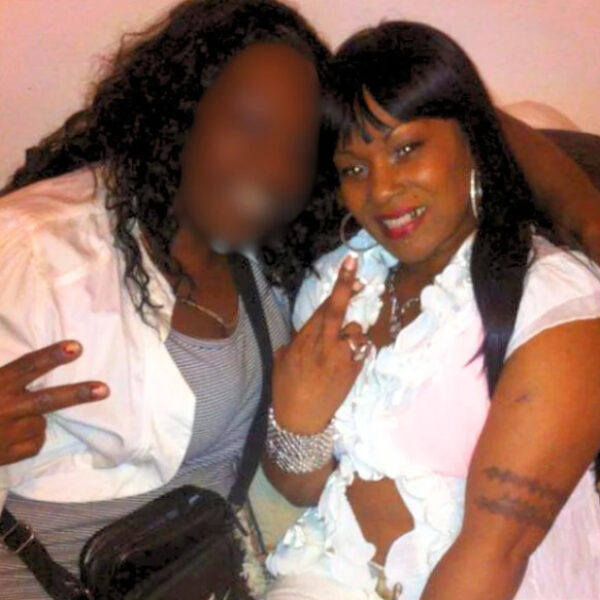
As her hair fell out, Natasha cut it short and began wearing a wig.
“I remember calling my daughter upstairs. I was in the bath and I said, ‘Give me the scissors.’ So I cut it as much as I could.”
“I have the pictures of the first day I wore the wig, and it looks lovely. But I wasn't happy.”
But Natasha continued wearing wigs long after chemotherapy.
“When my hair started growing back, it grew a different texture, but my hairline would never come back.”
“I stayed covered anytime I didn't have the wig on. It felt like my head never had air. Even towards my children, I didn't want them seeing it.”
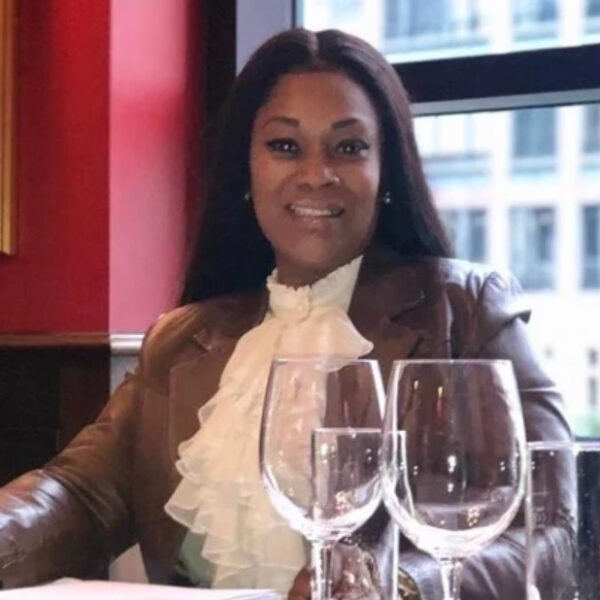
The changes affected her relationships, too.
“You're scared to start a relationship because you worry about taking your wig off in front of your partner.”
“It's okay for the world, you put on a wig, it's like putting on a mask. But when you come home and you look at yourself in the mirror, no, you're not happy.”
“My hairline was receding like a man's”
The idea of a hair transplant first came from one of Natasha’s twin daughters.
“I never saw anyone that's had one. I didn't know what to expect, how it would work.”
Her daughter then showed her a video of British rapper Paigey Cakey documenting her hair transplant experience through Longevita.
“I watched her whole story,” Natasha recalls. “She was the closest thing to knowing someone. I just needed to know someone.”
After exploring her options, Natasha decided to book a hair transplant in Istanbul through Longevita, a UK-registered medical travel facilitator.
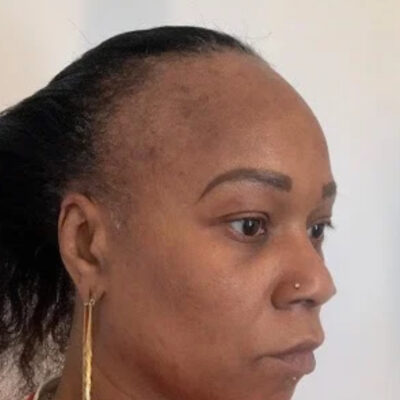
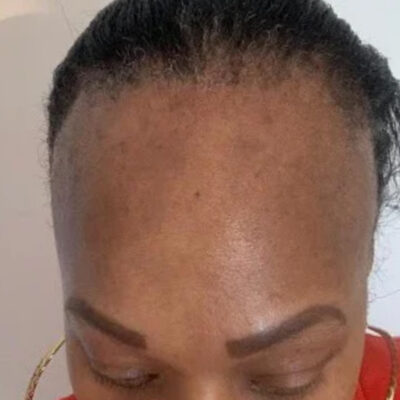
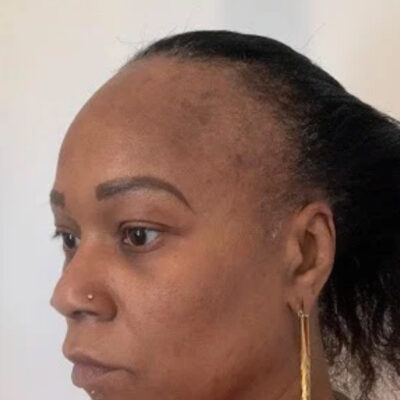
Natasha before hair transplant
“My surgeon told me I'd get around seventy percent coverage if they brought my hairline down, or ninety percent if they kept it further back. But my hairline already looked like a man's receding hairline, so I chose the lower option.”
Independent hair transplant surgeon Dr Çağla explains how patients with a cancer history are assessed, and why more than one session may be needed.
“For patients who have had cancer treatment, we first look at their medical history, any ongoing treatment and the condition of their scalp, consulting their oncology team where needed. We can then discuss what results are realistically possible. Depending on the area being covered and how many grafts can safely be taken, achieving the desired density may take more than one session.”
Natasha says she felt well informed throughout.
“Everything was lovely. The surgeon made me feel comfortable, and everyone was very informative. I always knew what to expect.”


Natasha hopes to return for more density, but is already pleased with her hair.
“My hair is the best,” she says, laughing. “I'm very happy with it.”
“I feel good about how I look now”
For Natasha, the change has been deeply personal.
“I don't have to wear wigs now. I can wear my own hair. I can have a partner. I was able to be free.”
“I feel good about how I look, even when I'm on my own.”
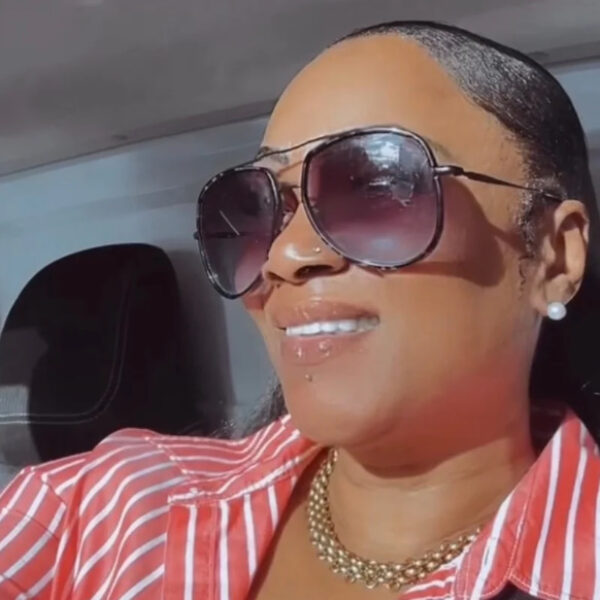
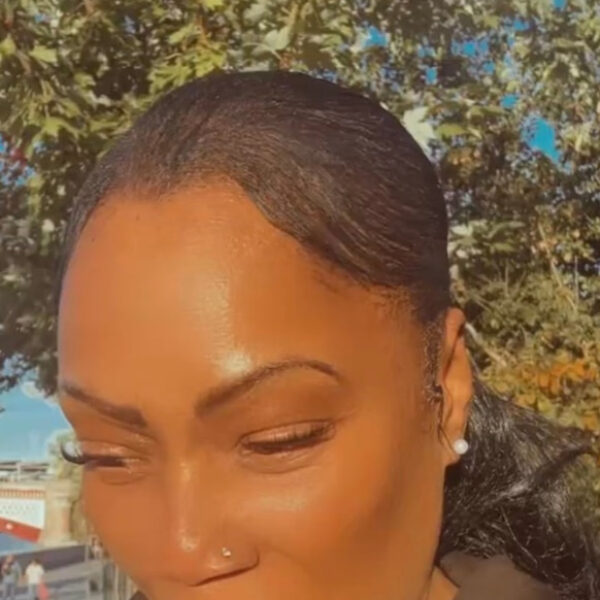
Natasha now plans to learn to swim, something she has avoided for years.
“Before my hair transplant, I always wanted to swim. You're in another fear that the wig will come off or the gel you're using is gonna start lifting.”
“Now I am going to learn to swim. I can just wear my own hair and go in the water.”
“Look good, feel greater, fight stronger”
Today, Natasha helps others facing cancer and challenges perceptions of the disease with Bonded Thru Cancer, the organisation she founded during her own treatment.
“I wanted people to see that you can still look and feel good while going through cancer treatment. Cancer doesn't always look like what they show on TV.”
Natasha hopes to offer others the support she once needed and help them feel confident in themselves.
“You get up, you get dressed, you look good, you feel greater, and that allows you to fight stronger.”

Hair transplantation is not suitable for everyone experiencing hair loss after cancer treatment. Suitability depends on individual medical circumstances and requires specialist assessment.
Request A Callback For A Discovery Call
With Longevita, you have the option to discuss your goals with us from the comfort of your couch.
- A UK-registered medical tourism facilitator
- Trusted by over 150,000 clients
- A free, no-obligation discovery call