
What is Nasolabial Fold Filler?
Nasolabial folds, also known as smile or laugh lines, refer to the creases that extend from the bottom of the nose to the corners of the mouth. While it’s a very common and natural facial feature, age-related skin changes, UV radiation from the sun, weight fluctuations, and smoking are some of the factors that can make their appearance more prominent and, to some, bothersome.
To minimise their presence, one of the treatment options that’s available is nasolabial fold filler. It uses dermal fillers, which are soft tissue fillers aimed at plumping up and/or smoothing out the contours of the face. Although these fillers may be effective in treating nasolabial folds, there are some things you should know.
What Is A Nasolabial Fold Filler?
Nasolabial fold filler is a non-surgical cosmetic injectable that specifically targets the nasolabial folds – between the nose and mouth corners – to soften and diminish their appearance. It makes use of dermal filler injections that, in general, aim to add volume to a particular area of the face to restore volume and/or augment it.

While you’re more commonly hear about the use of hyaluronic acid fillers, there are others that your practitioner might consider more suitable for you, such as Sculptra made from poly-L-lactic acid or Radiesse, which is made with calcium hydroxylapatite. These may also stimulate the production of collagen in the skin and further help improve its overall appearance.
What Is The Procedure For Nasolabial Fold Fillers?
Nasolabial filler can be injected using a needle syringe. Through different injection points along the length of the crease, the filler is placed underneath the skin.
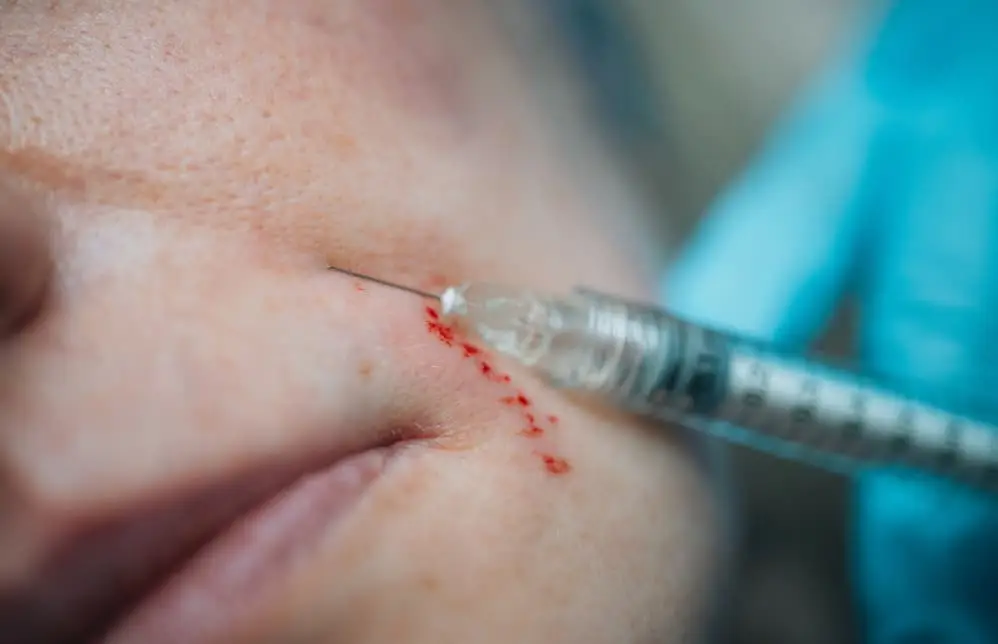
Some practitioners don’t prefer to directly fill the nasolabial area to avoid it from appearing too “heavy” or unnatural-looking. Instead, they may try to improve other contours of the face in an attempt to make the nasolabial folds look less intense.
For instance, if you have both nasolabial folds and marionette lines – lines running from the corners of the mouth to the chin – your attention might be drawn more to the central area of your face, including the nasolabial folds.

In this case, your doctor might recommend addressing the marionette lines and just slightly filling up the top of the nasolabial crease so it looks less prominent.
While it might not have any downtime, you might experience some side effects, which you should discuss with your doctor beforehand. According to a 2021 study published in Aesthetic Plastic Surgery, the most common complications associated with nasolabial fillers include:
- Lumpiness
- Swelling
- Bruising
- Tenderness
How Much Is A Nasolabial Fold Filler?
In the UK, the cost of a 1 mL nasolabial filler may be anywhere from £150 to £300. Of course, depending on the severity of your condition and the mLs of filler you need, the price can increase. Furthermore, the type of filler used, the location of the clinic and the experience and qualification of your practitioner can also impact the overall cost.
How Long Do Fillers Last In Nasolabial Folds?
Dermal fillers can last anywhere from 6 months to 2 years. Fillers are usually broken down and absorbed by the body, so their results won’t last you a lifetime.
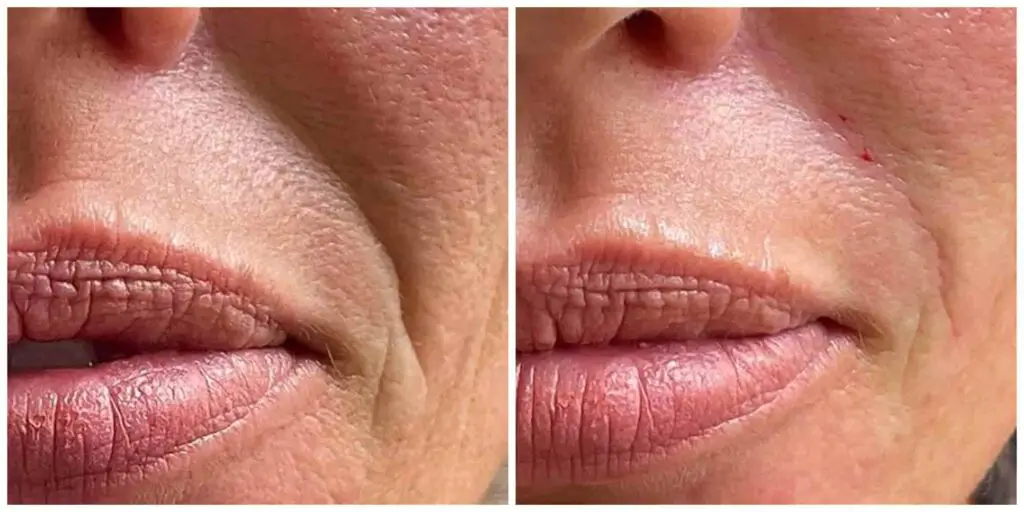
However, if you’re not satisfied with the results of your treatment and hyaluronic acid was used for the filler injection, an enzyme called hyaluronidase may help reverse the fillers. When injected, the enzyme can dissolve hyaluronic acid, however, it doesn’t work for fillers that are non-hyaluronic acid. In such an event, make sure to talk to qualified and experienced practitioners.
Is Nasolabial Fold Filler Safe?
Nasolabial fold fillers are generally considered safe. The use of “absorbable (temporary) fillers” is also approved for people aged 22 and above by the Food and Drug Administration (FDA).

Still, however, it’s imperative that you find a board-certified medical professional who’s experienced in performing these injections, as they can result in very serious consequences, such as the irreversible death of a body tissue (necrosis) and blindness. Make sure to discuss these potential complications with your doctor before the treatment.
How To Get Rid Of Nasolabial Folds Without Filler?
Some of the other treatment options that you might come across for nasolabial folds are as follows:
- Thread lifts
- Microdermabrasion
- Skin tightening with ultrasound or radiofrequency
- Laser skin resurfacing
More invasive interventions include fat transfers and facelifts, but only a surgeon can best advise you on their suitability. Before a treatment plan is prepared for you, the severity of your problem will be assessed and and the kind of results you’re seeking will also be taken into account. Still, it’s important that you have an idea of the expected outcome, so your expectations are realistic.
Conclusion
With a nasolabial fold filler, you can effectively minimise the appearance of your nasolabial folds. The treatment itself is relatively quick and might not have any downtime either. Also, done by an experienced practitioner, it can improve your chances of getting your desired results.
But it’s important to remember that ageing is one of the reasons why these creases become more prominent with time. While different treatments can help make them less noticeable, keep in mind that you can’t stop the natural process of skin ageing, so you need to have realistic expectations about what you can achieve.
In any case, even if it may seem like a minor treatment, you must find a board-certified and experienced practitioner who knows what they’re doing and transparently communicate the pros and cons of this treatment with you.
FAQ
Can nasolabial fold filler migrate?
How much filler do you need for nasolabial folds?
Do nasolabial fold fillers hurt?
Are fillers worth it for nasolabial folds?
- Last Updated:

Dr Gizem Seymenoglu
GDC-registered dentist (176886) · Facial aesthetics practitioner since 2010
Last reviewed
Dr Gizem is a UK-registered dentist (GDC No. 176886) with more than 15 years of clinical experience in dentistry and aesthetic medicine. She originally qualified as a dentist in Turkey before relocating to the UK, where she completed her re-qualification and registration with the General Dental Council in 2009.
She is a member of the British Academy of Aesthetic Dentistry (BAAD) and has co-authored clinical guidance on setting up facial aesthetics within a dental practice. With specialist expertise in aesthetic treatments, non-surgical procedures and facial harmony, Dr Gizem regularly reviews medical content to ensure accuracy, safety and patient clarity.
Request A Callback For A Discovery Call
With Longevita, you have the option to discuss your goals with us from the comfort of your couch.
- A UK-registered medical tourism facilitator
- Trusted by over 150,000 clients
- A free, no-obligation discovery call