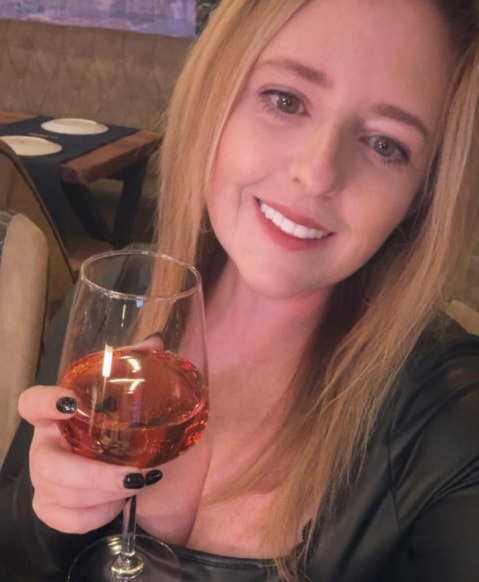
“I used to carry a toothbrush in my handbag on nights out” – Scottish woman says smoking left her hiding her smile
Gillian shared her experience as part of a Longevita press campaign and received a fee for taking part.
For years, Gillian avoided smiling in photos, covered her mouth when she laughed, and even carried a toothbrush and toothpaste in her handbag wherever she went.
“I’m such a smiley, chatty person naturally. But I became paranoid about my teeth. I’d avoid laughing properly or opening my mouth too wide because I didn’t want people noticing them.”
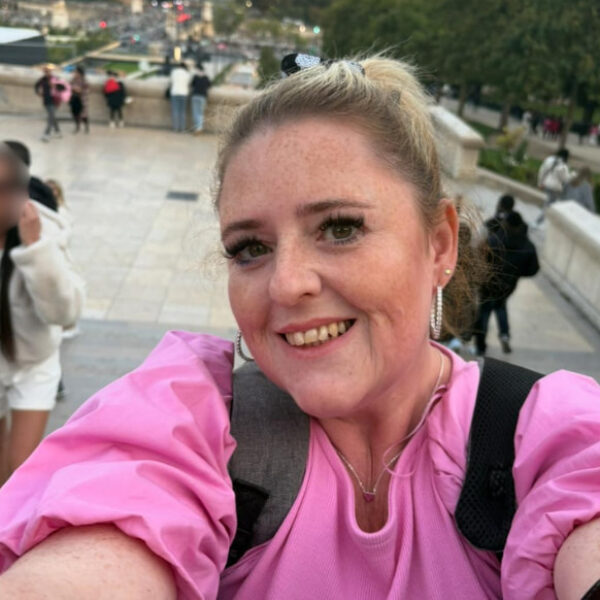
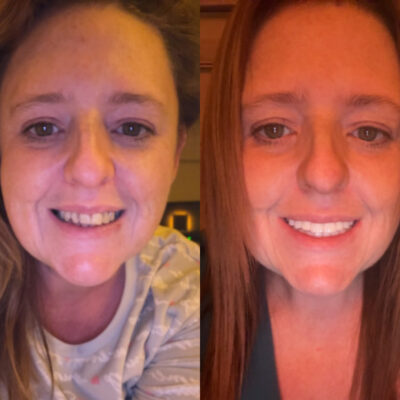
One of the rare pre-treatment photos showing Gillian smiling openly, taken during a trip to France.
“One cigarette became twenty a day”
The 39-year-old from Paisley says she had wanted cosmetic dental treatment since her late teens because of crowding, but it always felt financially out of reach. Over time, ongoing dental issues – alongside smoking – made her insecurities more difficult to manage.
“I never smoked when I was younger,” she explains. “I started in my thirties, towards the end of COVID. One night I had a drink, someone offered me a cigarette, and that was it really.”
What began socially gradually became routine.
“I was up to twenty cigarettes a day. If I was out drinking, it could be thirty.”
"it was already my biggest insecurity"
She says this period marked a clear turning point in how she viewed her appearance, particularly her teeth, which she began to feel increasingly self-conscious about.
She recalls a moment with a friend’s 5-year-old daughter that has stayed with her.
“She looked at my teeth and said, ‘Your teeth are really yellow’. She didn’t mean anything by it, she was just a child, but it really stuck with me. I just felt awful.”
Over time, those early insecurities deepened, particularly as someone who regularly posts on TikTok.
“There was a comment once telling me I needed to go to the dentist. It really upset me because it was already my biggest insecurity.”
Difficult periods in her life, including the loss of her mother, deepened her reliance on cigarettes.
“I used to carry a toothbrush and toothpaste everywhere"
As her smoking increased, so did her focus on her teeth and breath, which she says began to affect her confidence in everyday social situations.
“My teeth got more yellow because of smoking, and I was constantly thinking about my breath,” she says. “It was always in my head.”
She began adapting her habits in subtle but persistent ways – avoiding smiling in photos, keeping her mouth closed when laughing, and on nights out carrying what she describes as a “tooth survival kit”.
“I used to carry a toothbrush and toothpaste everywhere. If I was out for dinner or on a night out, I would go and brush my teeth in the bathroom afterwards. I was doing it all the time.”
She adds: “Looking back, it’s mad. I’d plan my whole night around it.”
“I wanted a solution I could actually afford”
After years of feeling increasingly restricted by her confidence, she began looking into treatment options. She says cost and accessibility in the UK had always made cosmetic dental work feel unrealistic.
Eventually, after hearing about a friend’s positive experience, Gillian travelled to Istanbul for treatment arranged through Longevita, where she underwent porcelain crown treatment on both her upper and lower teeth.
She says she felt reassured from the very beginning of the process.
“There was a schedule for everything, so you always knew what was happening next,” she explains. “That really made a difference.”
Reflecting on wider perceptions of so-called “Turkey teeth,” she is careful to push back against stereotypes.
“I think people see one story online and assume that applies to everyone,” she says. “But it really comes down to doing proper research and choosing the facilitator carefully.”
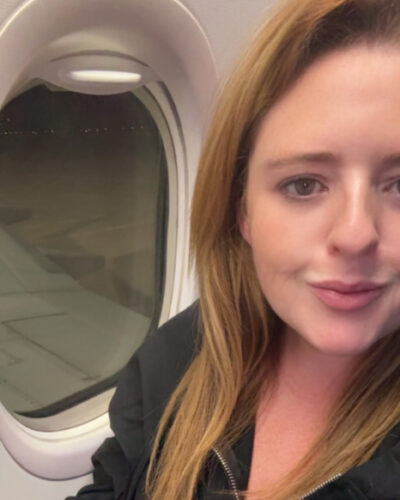
Gillian on her flight to Istanbul
“I finally felt comfortable smiling properly”
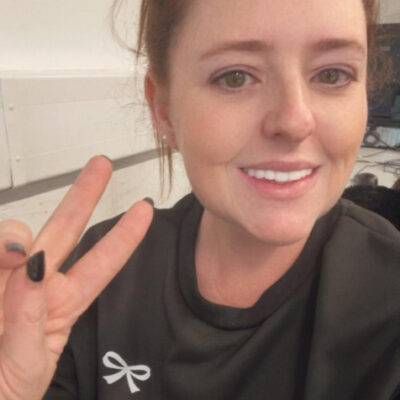
Highlighting how natural her results look, and the careful shade selection process she went through with her dentist, Gillian says people are often surprised by the outcome. “People who don’t know me often assume they’re my own teeth,” she says.
She adds that seeing her new smile for the first time marked an immediate shift in how she felt about herself.
Since then, she says she has significantly reduced her smoking.
Looking back, Gillian says the treatment marked a shift that went beyond her appearance. “It’s not really about having perfect teeth,” she says. “It’s about not feeling ashamed to smile anymore.”
“This is your health and your confidence”
Now preparing for a future career in teaching, she says that change has also carried into her everyday confidence and interactions. “If I went for a job interview before, I’d be worried people were staring at my teeth,” she says. “Now I just feel more comfortable talking to people.”
Her advice to others considering treatment abroad is simple:
"Take time, do proper research, and don’t be influenced by online trends or assumptions. This is your health and your confidence."
Gillian
Longevita Client
Hello would you like a free e-consult?
Hello would you like a free treatment plan and a price quote?
Tap the icon at the right bottom to make an enquiry.