
Breast Enlargement (Boob Job) In Turkey
What Is Breast Augmentation?
Breast enlargement has been a subject of interest for women for centuries. Over the years, a variety of unusual materials like glass balls, rubber, ivory, oils, sponges, and even wool were used in an attempt to increase breast volume.
Thankfully, with advancements in medical technology, breast augmentation has evolved significantly, now utilising silicone-coated saline or silicone implants — both of which are considered safe.
Breast augmentation, also known as augmentation mammoplasty, can modify the shape as well as the size of the breasts and is one of the most popular surgical procedures among women.
Breast size can be influenced by a number of factors, including genetics, weight loss, pregnancy, and hormonal changes. Those with smaller breast volumes may experience poor self-esteem and body image. Nevertheless, it is possible to permanently increase breast volume through augmentation surgery.
Note that the primary purpose of implants is to enlarge the breasts. This surgery is not intended to reposition the breasts or your nipple-areolar complex. Although, you can combine breast augmentation with other procedures to accomplish this.
Quick Facts
What is the downtime of breast enlargement surgery?
You might have to take at least 1-2 weeks off work after breast enlargement.
When do you see the full results of breast enlargement?
The majority of the results appear after 3 months, but you might have to wait for 6 months to 1 year for the final results.
What kind of anaesthesia is used for breast enlargement?
Breast enlargement surgery is performed under general anaesthesia. Post-operative discomfort is normal and is managed with prescribed pain relief provided by the treating clinician.
How long does breast enlargement last?
Breast implants don’t have an expiration date, but they can last for 10-20 years.
Am I A Good Candidate for Breast Enlargement Surgery?
Breast enlargement surgery can be a life-changing decision, enhancing confidence and improving body image. However, it’s essential to meet certain criteria to ensure the procedure is safe, appropriate, and aligned with your personal goals. Below, explore key factors that can help determine if breast enlargement surgery is right for you.
Age
Breast enlargement surgery is typically performed on individuals aged 18 or older, as breasts are still developing before that and haven’t full matured.
Why 18? Breast growth is usually complete by this age, making surgery results more predictable.
Exceptions: In certain cases, such as breast reconstruction after trauma, cancer, or congenital conditions (e.g. amastia), surgery may be performed earlier.
Treatable conditions
Breast enlargement surgery can address a variety of concerns, including:
Breast Asymmetry: Correcting significant differences in size or shape.
Loss of Volume: Restoring fullness after pregnancy, breastfeeding, or weight loss.
Congenital Conditions: Treating conditions such as tuberous breasts or breast hypoplasia (underdeveloped breasts) due to Poland or Turner syndrome.
Reconstruction Needs: Restoring breast shape after mastectomy.
Realistic Expectations
Having a clear and realistic understanding of what surgery can achieve is essential for a positive outcome.
What It Can Do: Enhance breast size and shape to achieve desired breast proportions.
What It Cannot Do: Solve underlying emotional challenges or create perfection.
The independent clinician will discuss achievable results during your consultation to ensure your goals align with what’s possible.
Right Reasons
Surgery is most successful when it’s a personal decision made for the right reasons.
Right Reasons: Improving your confidence and self-esteem and feeling comfortable in your own skin because you are the one unsatisfied with the current volume of your breasts.
Avoid External Pressures: Surgery should never be done to meet someone else’s expectations or societal standards.
Who is Not Suitable for a Breast Enlargement?
You might be considered unsuitable for an augmentation surgery in the following instances:
- Pregnant or breastfeeding
- Physical health problems (e.g. cancer and infection)
- Mental health conditions (e.g. body dysmorphic disorder and eating disorder)
- Unrealistic expectations
- Silicone allergy
If you’re considering breast enlargement surgery, our team at Longevita is here to help. We’ll explain how the process works and pass your photos to the independent clinician you choose, who will recommend the best approach for you, whether cosmetic or reconstructive. Book a discovery call today to take the first step toward feeling more confident in your body.
What Breast Implant Should You Get?
Choosing a breast implant isn’t as simple as saying you want to go a few cup sizes bigger. The fundamental issue with such a measurement is that bra cup sizes are not standardised. For this reason, implant sizers/dummy implants are used to visualise how different kinds of implants will look on you.
After the independent clinician provides you with a sizer bra, you will be provided with different dummy implants that you can insert into the bra to see how much they enhance your bust size.
Additionally, it’s also a good idea to have some before and after photos of results you like for the independent clinician’s reference.
The independent clinician also needs to make sure that the new implant will be adequately accommodated by your breasts, so they may take several measurements before surgery, including:
Size of the breast base
The implant width should be the same as the width of your breast base or slightly smaller. If the implant width is greater than your base width, you will have poor results.
Symmetry check
Distance from collarbone to nipple can help assess the symmetry between breasts and the height of nipples. Note that the body can have a natural degree of asymmetry, which can be reflected in the final results.
New location of the breast crease
Distance from nipple to breast crease (inframammary fold) can be helpful in determining the new location of the fold.
Skin laxity
Assessed by pulling the skin towards the front to check the amount of tissue coverage and determine a suitable implant projection.
Keep in mind the choice of implant is integral to the final results. For instance, placing an overly large implant in a small breast can stretch the skin and make your breasts look unnaturally round (where, naturally, breasts slope in the upper half and curve in the lower).
You should know exactly what you’re looking for, and the independent clinician will take your preferences into account, as well as what your anatomy allows. Besides measurements, though, there are a few more things you need to choose when it comes to your implants:
Saline or Silicone
While your implants will have a silicone shell, they can be filled with one of the two: saline or silicone.
One of the advantages of using saline implants is they require a slightly smaller incision. However, these implants have a higher risk of gradual leaking and deflation, which is why the surgeons who work with Longevita do not offer them.
Silicone implants, on the other hand, have a relatively larger incision size. But their feel is more natural, and their consistency and firmness are similar to breast tissue.
Round or Teardrop (Anatomic)
Breast implants can come in two different shapes: teardrop shape or round.
The teardrop-shaped implant resembles more of a natural breast. While it looks like an oval from the front, when looked sideways, you can see that this type of implant is fuller at the bottom.
This can be ideal for those who want to achieve more natural-looking results.
Alternatively, the round implants are in the shape of a circle, with the highest projection at the centre, and the fullness in the upper and lower half is the same.
This type of implant can be suitable for those who require more fullness in the upper half of the breast as well, making the results look more dramatic.
Smooth or Textured
The surface of your breast implants can be smooth or textured — the former looks transparent, while the latter is opaque. Although round implants are usually smooth, teardrop-shaped implants are always textured.
The reason behind this is that the texture ensures the implant retains its position once inside the body. Teardrop implants have a particular shape, and if they rotate, your results can be quite disappointing.
Since round implants are the same all around, there’s no need for them to always be textured; the results will remain the same even if they rotate.
Between smooth and textured, a notable benefit of the latter is that there may be a reduced risk of capsular contracture.
High, Moderate or Low Profile
If you place an implant horizontally on a surface, profile refers to its upward projection from the base. There are three types of implant profiles: low, moderate, and high.
So, if you keep the width of your implant the same, the higher the profile, the greater its projection will be, which can be useful when breasts are mildly sagging.
You can choose the profile according to your personal preference and the advice of the independent clinician.
Important: Don’t forget about the breast implant brand!
Choosing the right breast implant brand is crucial. The surgeons who work with Longevita use MENTOR® and MOTIVA® Breast Implants, which have CE Mark approval and are also approved by the US Food and Drug Administration (FDA). They are world-renowned implant brands that have a reputation for safety, efficacy and high customer satisfaction rates. Not only are they durable, but they also have a track record of long-term performance, providing patients with peace of mind regarding their breast enlargement procedure.
What Are the Different Breast Implant Placements?
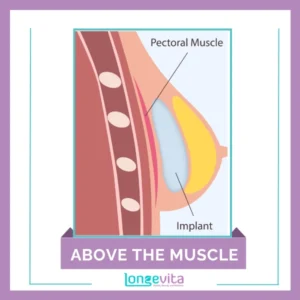
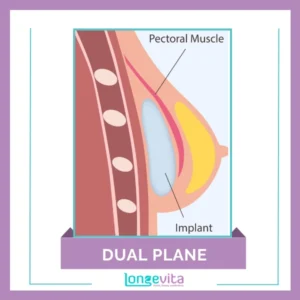
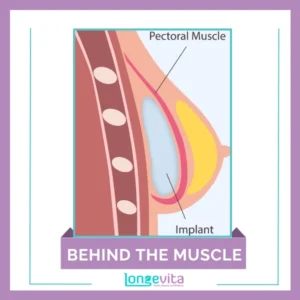
Implant placement refers to where within the breast your implants will be placed. Typically, there are three types of placements: below the muscle (submuscular), above the muscle (subglandular) and dual plane (which is a combination of the first two).
Placing the implant underneath the pectoralis major muscle is the most popular option as it has several advantages, including:
- Lower risk of capsular contracture
- Minimised risk of implant displacement (“bottoming out”)
- Extra support to implants, reducing strain on the skin
- Better blood flow to the nipples
- Better visualisation in mammograms
- Less sagging of breasts
- Greater implant camouflage
- Natural-looking results
On the other hand, over-the-muscle placement is where the implant is placed behind the breast tissue. Usually, this type of placement isn’t preferred because of the increased risk of capsular contracture, implant visibility, interference with mammography imaging, and problems with milk production. Although, it can be considered for those who have adequate breast tissue and for bodybuilders.
In dual plane placement, part of the implant is below and part of it is above the muscle. It can be suitable for those who have mild sagging, a nipple that’s slightly lowered or tuberous breasts. It also allows the implant to fill out the lower portion of the breasts a bit more, giving it a natural appearance. Furthermore, it has a low risk of capsular contracture.
If you have been recommended this technique due to sagginess, it’s important to have realistic expectations because a dual plane cannot correct noticeable sagging of the breasts. For that, you can consider getting a breast lift (mastopexy) with a breast enlargement.
What Are the Different Types of Breast Implant Incisions?
When it comes to incision placement, naturally, what people desire is a location that is very easily concealed.
However, incision placement is affected by several factors, such as the type of implant, size of implant, breast tissue, and your unique case.
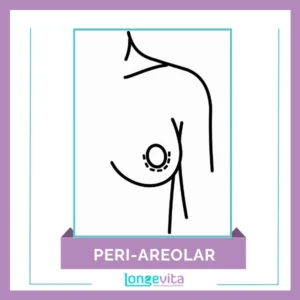
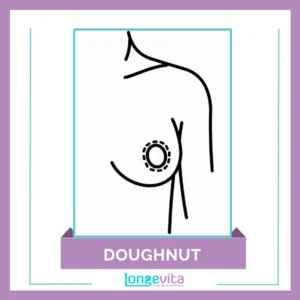
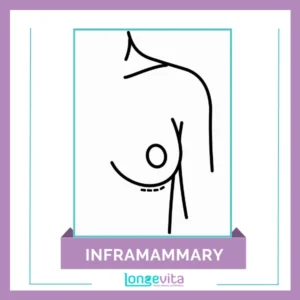
The three most popular incisions for breast augmentation include periareolar and doughnut — both of which are around the areola — and inframammary incision, which is in the breast crease.
Breast implants are commonly placed by making an incision in the breast crease — its size varying from around 3 to 6 cm for saline and silicone implants, respectively.
This type of incision allows for the placement of any kind of implant, especially larger ones. Moreover, it helps in the precise placement of the implant and may also reduce the risk of capsular contracture.
The other type of incision that is quite popular is periareolar, which involves making a semicircular incision in the lower half of the breast where the skin meets the areola. If suitable for the patient and done well, its scar can be easily hidden.
However, periareolar incisions may be unsuitable for those with small areolas (diameter less than 3-5 cm) due to difficulties placing certain implants.
Another type of incision that can be made around the areola is “the doughnut,” where a cut is made all around the areola.
While the independent clinician will take your preferred incision placement into account, it might not always be appropriate for you. The independent clinician will carefully consider your case and make recommendations accordingly
How is Breast Enlargement Done?
Before heading for the surgery, preoperative markings will be made on your surgical area to ensure the achievement of optimal results. After you’ve discussed everything with the independent clinician once again and feel confident about the surgery, you will be given sedation to ensure you stay relaxed.
Before the procedure itself, you will be administered general anaesthesia, so you will not be conscious and feel any pain. Once it takes effect, put simply, the surgeon will make the incision and insert the implant (after sterilising it) in its pocket.
Once the implant is in place, your skin will be sutured, and bandages will be placed. The entire procedure can take 1-2 hours, but it can be longer if you choose to combine it with a breast lift or nipple reduction/areola reduction.
Keep in mind that you will have to stay in the hospital for 1 day after the surgery and have a follow-up appointment 2 days after being discharged.
Important Note!
You are advised to register your implant ID cards so that the implant manufacturer can reach you in the future if necessary. For registration, you must first input the serial number given as SN, followed by a validation code placed on the right side of the ID, which can either be a number or a letter.
Client Journey
Choosing to have breast enlargement surgery is a big decision, and hearing from real patients can help. Watch the videos below to see what the experience is really like with Longevita.
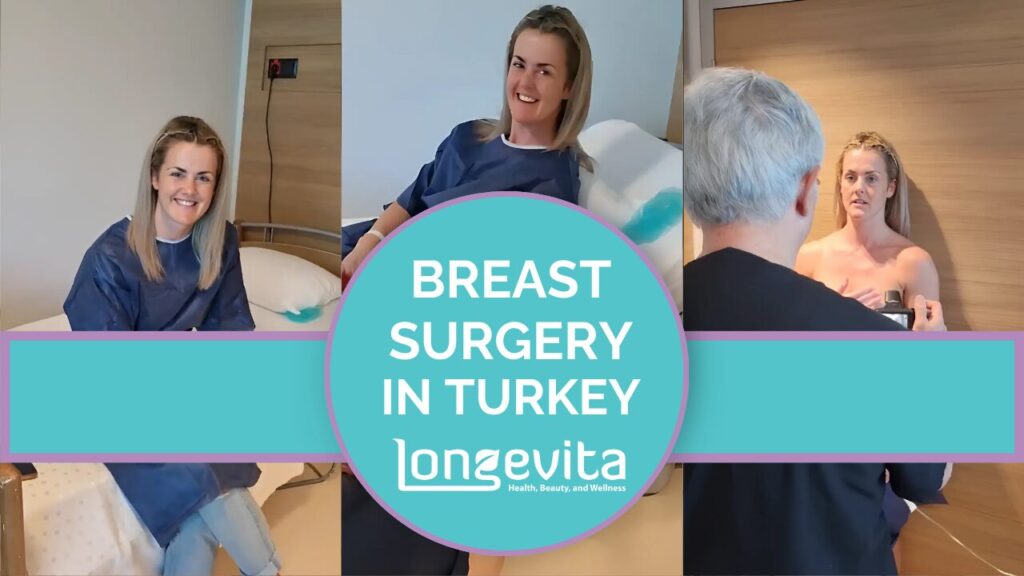
"I travelled to Istanbul for breast augmentation surgery and I was looked after from the moment I landed in Istanbul until leaving. Communication was excellent and the care I received in the hospital and from my surgeon was second to none. I would do it all again tomorrow! If anyone is thinking about travelling abroad for surgery I would 1000% recommend Longevita."
How Long Does Recovery from Breast Augmentation Take?
You might need 1-2 weeks off work after having a breast augmentation, and keep in mind that although you’ll notice an immediate difference in your breast volume after the surgery, it can take around 6 months to 1 year to see the final results;
Besides swelling, most of which can take 3 months to subside, some of the other temporary side effects of surgery include itchiness, numbness, burning, firmness, pain, bruising, and mild discomfort. You can also experience temporary asymmetry due to the swelling.
Aftercare instructions will be verbally explained to you by the independent clinician during the check-up. If you have questions or concerns during your recovery, contact your clinic directly. In an emergency while you are in Turkey, call 112. Once you are home, call 999 or go to your nearest A&E in an emergency, or call NHS 111 for urgent advice.
In addition, there are a few other things to keep in mind during recovery:
* Aftercare instructions can vary between surgeons, so make sure to follow the advice of the independent clinician.
What Are the Potential Complications of Breast Enlargement Surgery?
Like every surgical procedure, breast augmentation carries certain risks, some of which are:
- Capsular contracture
- Hematoma
- Seroma
- Infection
- Asymmetry
- Changes in skin sensitivity
- Malposition
- Rippling
- Rupture
Longevita prioritises client safety by facilitating procedures only at A+ internationally accredited hospitals. The independent surgeons you can choose from have extensive training and experience, and you can read about each one before you decide.
Can You Get a Second Breast Enlargement Surgery?
Whether it’s to replace your implants for smaller or bigger ones, swap saline for silicone, or replace them after experiencing a complication, it is possible to have a second breast augmentation.
You can also have another breast enlargement if you’ve experienced major life changes such as weight loss or pregnancy after getting breast implants.
It is important to note that you cannot have a second breast enlargement immediately after the initial procedure.
Since it can take at least 6 months for you to see the final results of your surgery, the independent clinician will advise you to wait until then if you want to change the implant size. Considering swelling can also affect the results temporarily, you should not make haste decisions or judgements.
On the other hand, if you’re having your implants replaced after a complication, the independent clinician may recommend waiting for 3 months to allow for the healing of your tissues.
Independent Clinicians Who Perform Breast Enlargement
-
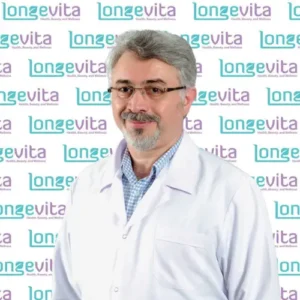
Prof. Dr. Fuat Yüksel
Board-Certified Plastic Surgeon
Kadıköy Florence Nightingale Hospital, Istanbul
-
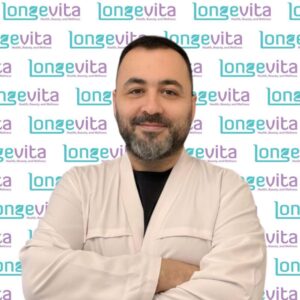
Prof. Dr. Yavuz Başterzi
Plastic, Reconstruction and Aesthetic Surgeon
Medicana Kadıköy Hospital, Istanbul
-
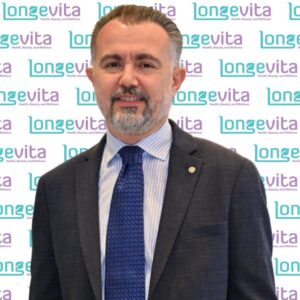
Prof. Dr. Sinan Öksüz
Plastic, Reconstruction and Aesthetic Surgeon
OTA & Jinemed Hospital, Istanbul
-
Dr. Nurettin Noyan
Board-Certified Plastic Surgeon
Yeditepe University Koşuyolu Hospital, Istanbul
-
Assoc. Prof. Dr. Candemir Ceran
Board-Certified Plastic Surgeon
Orion Surgery Center, Istanbul
-
Dr. Ercan Demiray
Plastic, Reconstruction and Aesthetic Surgeon
Medicana Kadıköy Hospital, Istanbul
-

Dr. Mustafa Ekrem Güleş
Plastic, Reconstruction and Aesthetic Surgeon
Medicana Kadıköy Hospital, Istanbul
Breast Enlargement in Turkey Before and After Photos
Breast implants can last you for a couple of decades. You don’t need to get them replaced after a certain period of time if you aren’t experiencing any issues with them. Keep in mind individual results can vary and be affected by weight changes, pregnancy, ageing and even gravity.
Filters
Categories
-

Breast Enlargement & Breast Lift 3 Weeks after the procedure - Gender
- Female
-

Breast Enlargement & Breast Lift 1 Month after the procedure - Gender
- Female
-

Breast Enlargement & Breast Lift 1 Week after the procedure - Gender
- Female
-
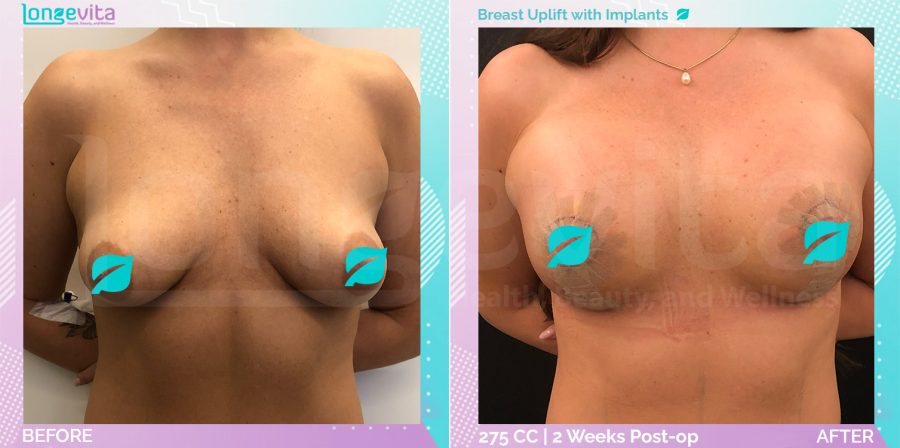
Breast Enlargement & Breast Lift 2 Weeks after the procedure - Gender
- Female
-

Breast Enlargement & Breast Lift 1 Week after the procedure - Gender
- Female
-
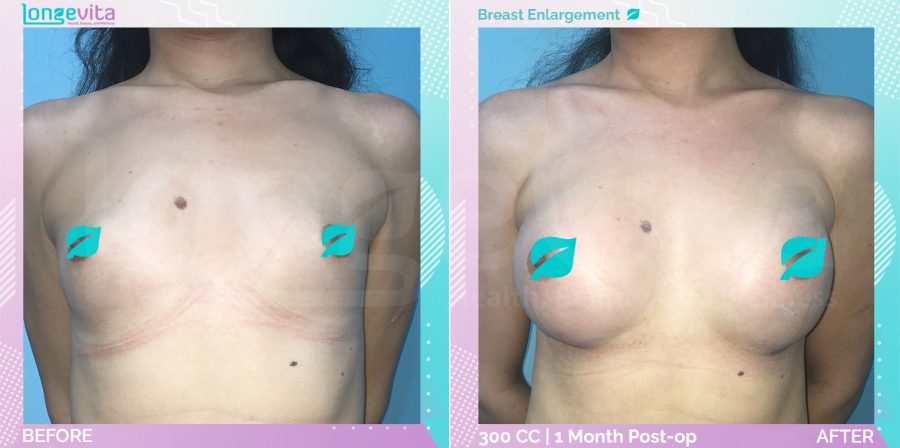
Breast Enlargement 1 Month after the procedure - Gender
- Female
-
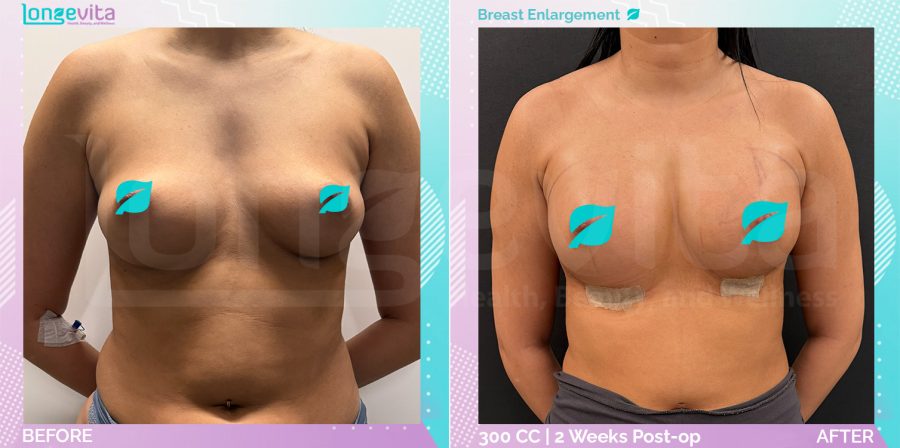
Breast Enlargement 2 Weeks after the procedure - Gender
- Female
-
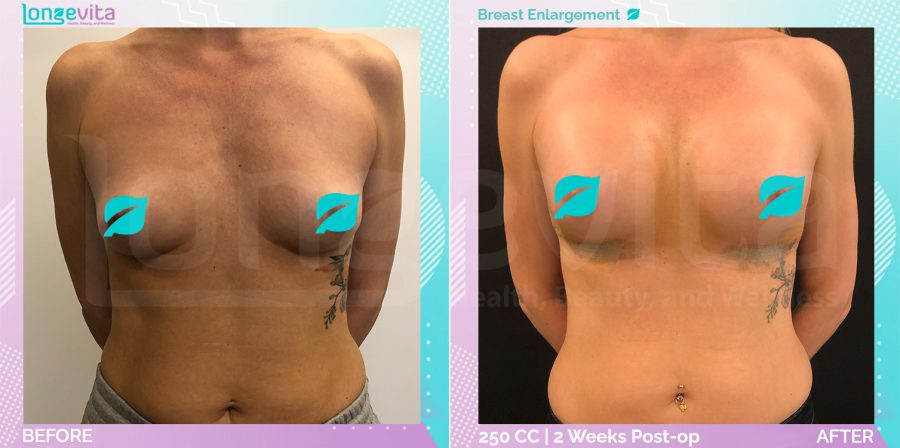
Breast Enlargement 2 Weeks after the procedure - Gender
- Female
-
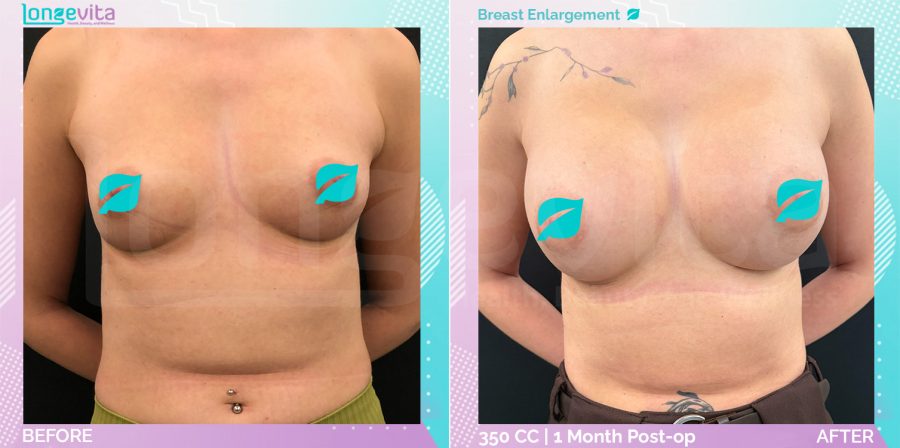
Breast Enlargement 1 Month after the procedure - Gender
- Female
-
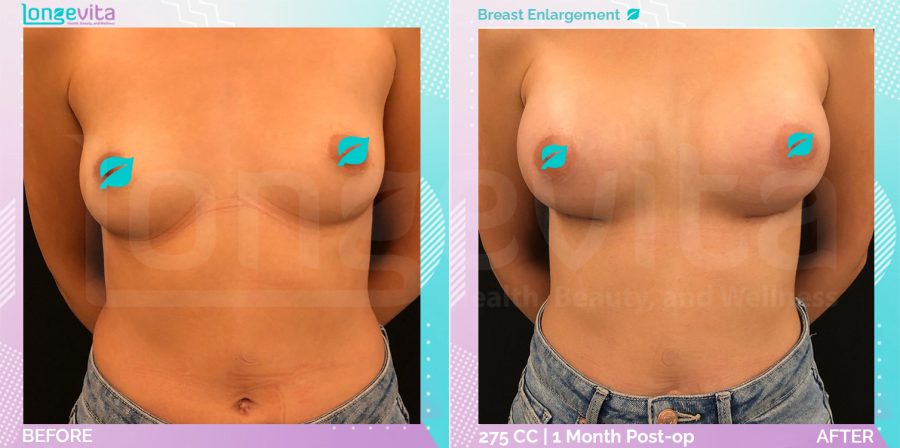
Breast Enlargement 1 Month after the procedure - Gender
- Female
-
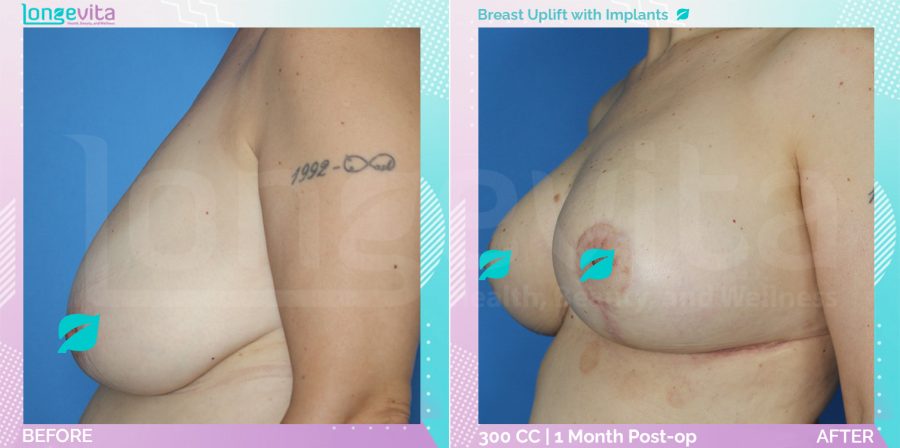
Breast Enlargement & Breast Lift 1 Month after the procedure - Gender
- Female
-
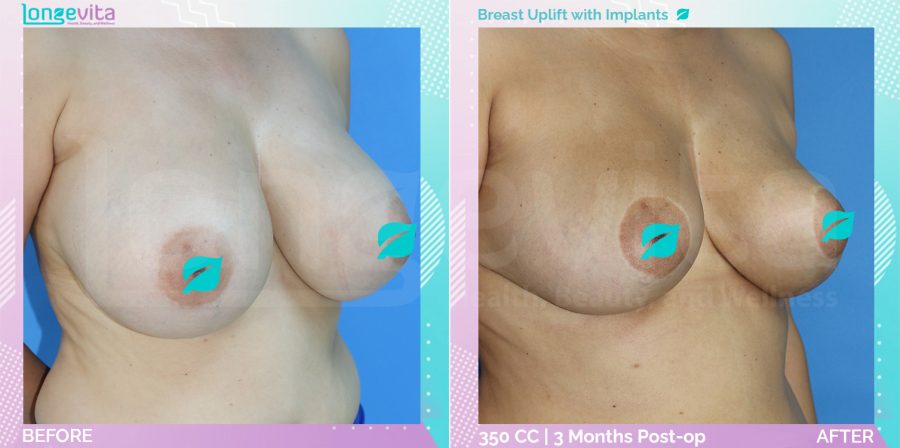
Breast Enlargement & Breast Lift 3 Months after the procedure - Gender
- Female
-
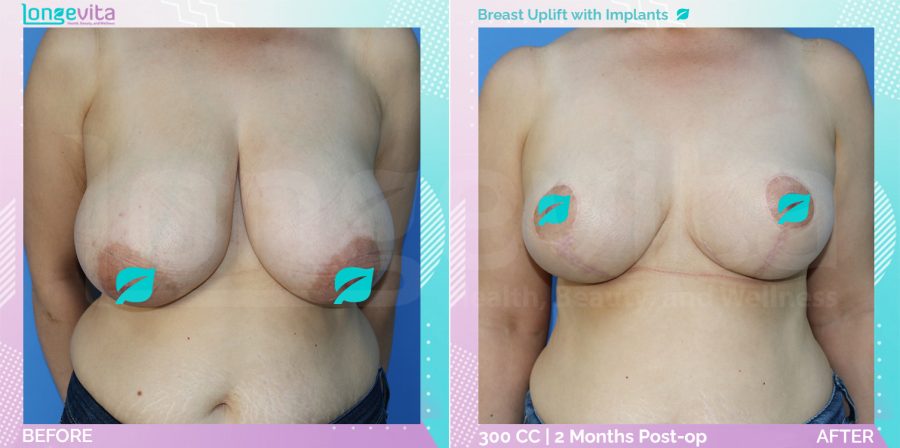
Breast Enlargement & Breast Lift 2 Months after the procedure - Gender
- Female
-
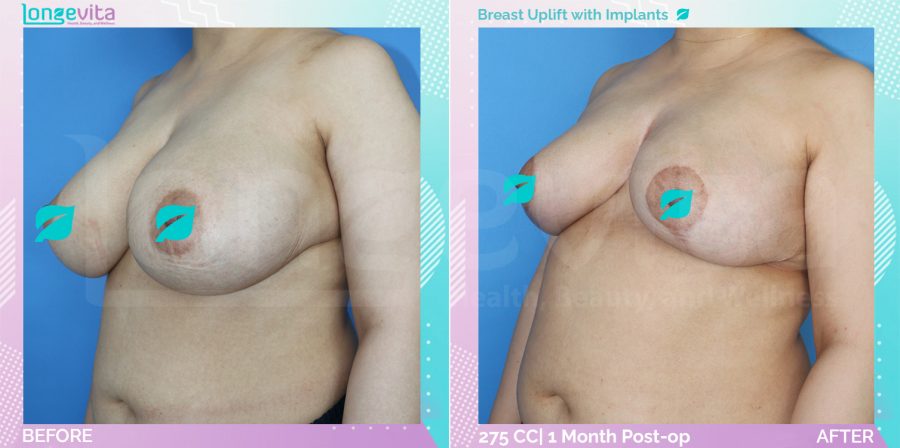
Breast Enlargement & Breast Lift 1 Month after the procedure - Gender
- Female
-
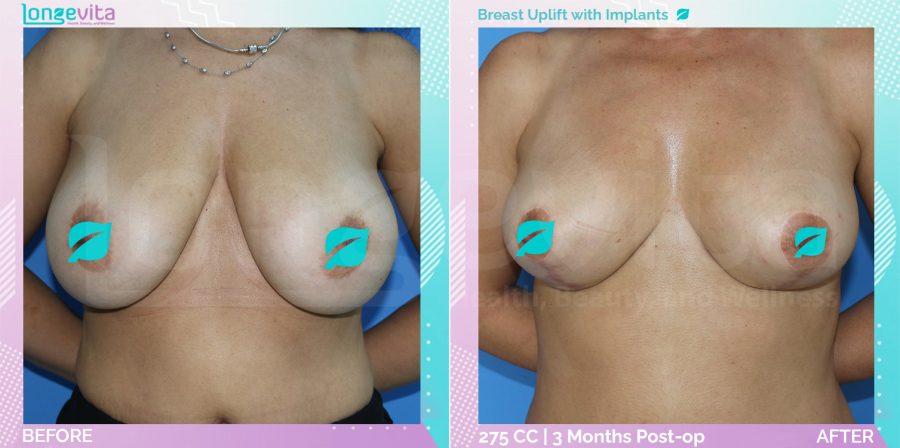
Breast Enlargement & Breast Lift 3 Months after the procedure - Gender
- Female
-
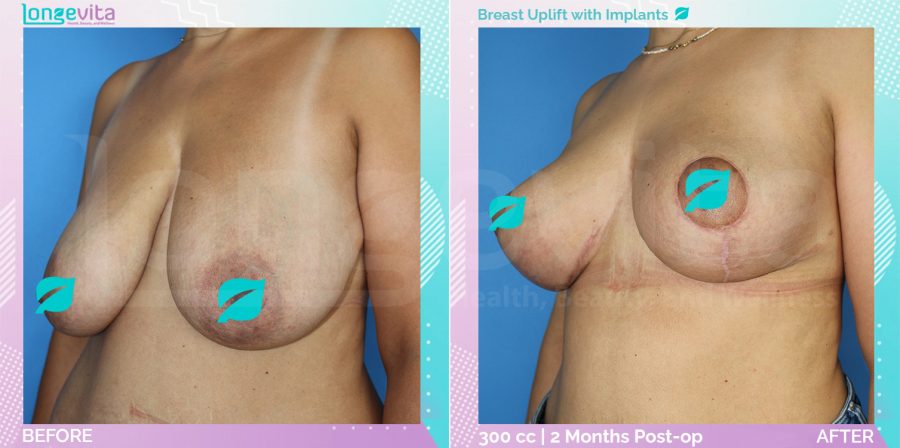
Breast Enlargement & Breast Lift 2 Months after the procedure - Gender
- Female
What our Clients Say
Don’t take our word for it – see for yourself what clients say about their experience!
Demi Leigh O Connor★★★★★I have had the best experience so thank you!
I came to turkey for a breast augmentation mainly for the prices back in the UK there is no way I could afford it, my friend recommended me to Longevita and I honestly can say I’ve made the best decision of my life, everything was so smooth from […] clinic, procedure, I am over the moon with my surgery, they understood everything! I was saying the communication was excellent. The doctors and nurses were constantly making sure I was ok. I would definitely recommend anyone coming to Longevita for surgery. They are an amazing team. I have had the best experience so thank you!
Rime El-hajjaji★★★★★It was the best decision ever!
I chose to go with Longevita for my breast augmentation after doing some extensive social media research and let me tell you this: It was the best decision ever! My journey with Longevita started weeks before my procedure, where […] made sure I am well prepared for my surgery. […] I had my first consultation 2 days before my procedure and his office alone is nothing short of INCREDIBLE!! The place meets the highest standards of cleanliness… seriously felt like I just stepped into a spa from how relaxing and clean the place is. The doctor is extremely professional, knows what he’s doing but still open to listen to his patient’s concerns and needs. The entire medical team’s main concern was to make you comfortable. They provided me with postoperative medicine and clear instructions to follow so that my healing journey would be smooth and thus get the most optimal results. Thank you Longevita for the great experience!
Sophie Gould★★★★★My experience was nothing short of exceptional.
I am absolutely delighted to share my exceptional experience with Longevita. From start to finish, everything went incredibly smoothly. One of the standout aspects of my journey was the remarkable […] Gizem. Her dedication was evident in every interaction, and she played a pivotal role in making the entire process seamless and stress-free. My experience with this company's breast augmentation services was nothing short of exceptional. From the stellar […] Gizem, to the skillful hands of the surgeon, and the caring nurses at the hospital, every aspect of my journey was characterized by professionalism & support. I wholeheartedly recommend this company to anyone seeking top-notch cosmetic procedures.
Bethany Jones★★★★★I couldn’t be happier with my results!
Mert […] talked me through every process […]. He made me feel like a friend and was able to chat to him about all my worries. […] Thank you Mert, you really made my experience so easy and enjoyable☺️ The surgeon was absolutely amazing. I told him what I was wanting from surgery and he advised me what would be best for my body, we ended up going under the muscle and had 360cc implants. The recovery was not painful at all, I am leaving Turkey in no pain at all and couldn’t be happier with my results☺️ I’ve finally got my dream breasts and it’s all down to the Longevita team!
Some reviews have been shortened to remove details of services we no longer offer.
How Much is Breast Enlargement in Turkey?
Since breast augmentation is a cosmetic procedure, it is unlikely to be available on the NHS or be covered by your insurance. In the UK, the surgery can cost around £6,000, on average, however, this can be considerably less in Turkey — by ISAPS-registered surgeons in Joint Commission International (JCI) accredited facilities.
Keep in mind that the price of an implant doesn’t vary by its size. However, it may differ depending on the shape, such as teardrop vs. round. Based on your treatment plan, we will inform you of any potential price differences.
Frequently asked questions
What is the downtime of breast enlargement surgery?
You might have to take at least 1-2 weeks off work after breast enlargement.
When do you see the full results of breast enlargement?
The majority of the results appear after 3 months, but you might have to wait for 6 months to 1 year for the final results.
What kind of anaesthesia is used for breast enlargement?
Performed under general anaesthesia. Post-operative discomfort is normal and managed with prescribed pain relief.
How long does breast enlargement last?
Breast implants don’t have an expiration date, but they can last for 10-20 years.
Can you feel breast implants after augmentation surgery?
You can feel the implants in your breasts, however, how much you feel can vary depending on a number of factors. For instance, it may be easier to feel them if you have a thin tissue cover, an implant in front of the muscle, a saline implant (silicone feels more natural), a large-size implant, etc. They can take some time getting used to, but they should eventually feel like a part of your body.
Can you breastfeed after getting implants?
Your breast implants shouldn’t interfere with breastfeeding. Additionally, your implants will not harm your baby in any way before you become pregnant or when you breastfeed.
When can I measure my bra size after enlargement surgery?
You can measure your new bra size 3 months after the surgery since it can take that much time for the swelling to go away.
Can I have a mammogram with implants?
You can have a mammogram with breast implants. This examination is important for your safety. However, when getting a mammogram, make sure to inform the technician of your implants since X-rays cannot penetrate them.
Do I need to get special check-ups for my breast implants?
Specifically, breast implants do not require any special check-ups; rather they are subject to the regular check-ups every woman should undergo. If a client notices anything unusual, an ultrasound can be arranged. It is generally recommended that women, especially those over 40, have a mammogram every 2 years — clients should discuss this with the treating clinician.
When can I have a consultation with my surgeon?
One day before your breast augmentation in Turkey, you will have an in-depth consultation session with the independent clinician. During that, you’ll also be given dummy implants to try, and you’ll be shown before-and-after pictures of patients with cases similar to yours.

Board-certified plastic surgeon (TSPRAS) · ISAPS member · 34+ years' experience
Last reviewed
Internationally recognised for his expertise in plastic surgery, Dr Fuat is a board-certified plastic surgeon and an active member of the International Society of Aesthetic Plastic Surgery (ISAPS). He has performed over 25,000 surgical procedures in his 34-year career. A number of his research articles have been published in well-reputed medical journals, and he has authored a book as well as written a book chapter. His expert opinion is also often sought after in the media. Dr Fuat can speak both English and Turkish fluently.
Request A Callback For A Discovery Call
With Longevita, you have the option to discuss your goals with us from the comfort of your couch.
- A UK-registered medical tourism facilitator
- Trusted by over 150,000 clients
- A free, no-obligation discovery call