What Is a Tummy Tuck?
A tummy tuck, medically known as an abdominoplasty is a cosmetic procedure that removes excess abdominal skin and, if necessary, repairs the separation of the “six-pack” muscle (rectus abdominis) to get rid of a bulge in the stomach. In addition, it can involve the removal of some excess fat.
An increase in skin laxity with ageing, pregnancy and significant weight loss following diet, exercise or bariatric surgery can cause the abdomen to be left with overhanging skin, distorting its overall contour. The stomach can also protrude due to a widening gap between the six-pack muscle, as can happen due to pregnancy and even childbirth. In all these cases, a tummy tuck can help achieve a flatter, slender and more defined abdomen.
However, it should be noted that tummy tuck is not a weight loss procedure. Although removing excess tissue may cause a slight change in your weight, the primary goal of this surgery is to improve your abdomen’s shape.
Quick Facts
How much is the downtime for a tummy tuck?
Most patients typically require 1–2 weeks off work, though recovery time varies between individuals.
How long after a tummy tuck do you see results?
Final results are generally visible once swelling has fully subsided, which typically takes 6–12 months, though this varies per patient.
What type of anaesthesia is used for tummy tuck?
Typically, a tummy tuck is performed under general anaesthesia.
How long does a tummy tuck last?
Results of a tummy tuck are long-lasting, though individual outcomes vary. Factors such as ageing, weight fluctuation, and lifestyle can affect results over time.
Liposuction is not an alternative for tummy tuck!
While liposuction is often performed with a tummy tuck, this procedure is not intended to achieve the same goal as a tummy tuck. Unlike abdominoplasty, liposuction does not involve the removal of excess skin or muscle repair; it only removes localised fat from the body.
Before recommending either procedure, ythe independent clinician will assess whether the bulge in your stomach is due to stubborn fat or muscle separation and whether or not you have excess skin that needs to be excised for a flatter abdomen. If your “belly pooch” is the result of fat pockets, ythe independent clinician will recommend a liposuction instead of a tummy tuck (provided you also have good skin elasticity).
Am I a Good Candidate for Tummy Tuck?
A tummy tuck procedure is ideal for those with loose, hanging skin around the abdomen. However, in order to be considered a good candidate for the surgery and undergo it safely, you need to meet a certain criteria.
A tummy tuck is a cosmetic procedure for those who are concerned about the appearance of their abdomen due to loose skin and/or a widened six-pack muscle.
Excess skin: You have excess, hanging skin that doesn’t let you achieve your desired contour.
Muscle separation: You have diastasis recti due to the separation of your rectus abdominus muscle.
Before you have a tummy tuck, you need to be in good health.
Weight goals: You have already achieved your ideal weight. If you lose weight after surgery, it may leave you with hanging skin again.
Health: Physically and psychologically, you are in good shape.
Age: Although there is no hard and fast age limit on a tummy tuck, you are to be at least over 18.
Know what you can possibly achieve from this surgery beforehand for a more satisfying outcome.
What It Can Do: Tummy tuck can tighten the muscles in your abdomen and remove excess skin, allowing you to achieve a flattened abdomen.
What It Cannot Do: The surgery will not help you lose weight or address underlying emotional or psychological concerns.
Who is Not Suitable for a Tummy Tuck?
Ythe independent clinician might advise you against a tummy tuck if:
- You have a habit of smoking, and you’re not willing to quit for at least 2 weeks before and after your surgery.
- You are physically unfit (e.g. uncontrolled diabetes, heart condition).
- Your body mass index (BMI) is above 30.
- You have body dysmorphic disorder and/or unrealistic expectations.
What Are the Different Types of Tummy Tucks?
Primarily, there are two main types of tummy tuck: mini tummy tuck and full tummy tuck.
Mini Tummy Tuck
When you only have excess skin below the belly button, a mini tummy tuck is recommended. One of the most notable advantages of this treatment is that, since it involves removing less skin and fat, the incision size is smaller. Even so, this incision will be discreetly hidden and easily disguised by your undergarments.
However, keep in mind that a mini tummy tuck will not contour the upper abdomen or tighten the widened abdominal muscles. But if you’re only concerned about loose skin in your lower belly, this procedure can be very effective.
Full Tummy Tuck
When there’s a relatively larger amount of skin and fat that needs to be excised from the upper as well as the lower abdomen, a full tummy tuck is performed. As this type of tummy tuck eliminates more tissue, it requires a longer incision, extending from hip bone to hip bone, however, it will be placed discreetly to avoid noticeability.
In addition to a horizontal incision above the pubic area, a full tummy tuck also cuts around the skin of the belly button (while the belly button remains attached to the body). As the excess skin is pulled down and removed, a new hole is created in the skin left behind to attach it to the belly button, essentially repositioning it.
If you have diastasis recti, this type of tummy tuck is particularly suitable; it allows the surgeon to bring the six-pack muscles together and tighten them up using sutures. This not only addresses the stomach bulge but can also improve the shape of the waist.
Depending on the needs of the patient, the following tummy tuck variations can also be performed:
Fleur-de-lis is a French term which literally translates to “flower of the lily” but actually refers to a three-petalled yellow iris — which resembles the incisions made in this type of tummy tuck, hence the name.
In contrast to most tummy tucks that involve a horizontal incision, fleur de lis also involves a vertical incision in the middle of the stomach, all in all forming an “inverted T.”
A fleur-de-lis tummy tuck is generally recommended for patients who’ve experienced significant weight loss and have excess tissue extending sideways and downward. While the vertical scar it leaves makes it less commonly preferred, it can be beneficial for achieving a more defined waistline. It also allows for the repair of diastasis recti.
In an extended tummy tuck, the incision of a full tummy tuck is “extended” to the sides to get rid of excess tissue in the flanks in addition to the abdomen. Depending on the needs of the patient, the incision can also be made further towards the back.
In a circumferential tummy tuck, an incision is made all the way around the body. This type of tummy tuck is also known as belt lipectomy or an around-the-world tummy tuck.
A circumferential tummy tuck might be reserved for patients who have experienced substantial weight loss, leaving them with excess around the back as well as the abdomen.
In addition to removing excess skin from the front and back, it can also repair the separation of the rectus abdominis muscle. Due to its extensive scope, this surgery can have quite dramatic results.
A panniculectomy is not the same as a tummy tuck!
Often mistaken for a tummy tuck, a panniculectomy is a different procedure. Unlike tummy tuck, which is typically a cosmetic procedure, a panniculectomy is performed for functional reasons.
Panniculectomy removes a large skin flap (pannus) hanging from the lower belly, which can extend as far as beyond the knees, depending on the severity of the problem. Besides affecting physical movement, this can also result in infections, back pain, ulcers, rashes, and sores. While excess skin and fat are removed in a panniculectomy, it does not involve the repair of diastasis recti, if needed.
Because there can be a “clinical need” for this surgery, it might be offered on the NHS or covered by your insurance provider. However, the same is generally not possible for a tummy tuck.
What is the Procedure for a Tummy Tuck?
After the consultation with the surgeon and the drawing of the surgical markings, you will be headed to the operating room for general anaesthesia. Once you’re under, in a full tummy tuck, the surgeon will:
- Make the incision — A good surgeon is always careful about placing the incision low so that it can be easily concealed behind your undergarments.
- Release the belly button — After the incision is made, the skin is lifted, and the skin around the belly button is released. Keep in mind that the belly button itself is still attached to the body.
- Stitch the muscles — Your widened abdominal muscles will be brought together with the help of stitches.
- Remove the excess skin — The excess skin is then pulled downward and cut from the body.
- Create a new hole for the belly button — A new hole for the belly button is created in the skin left behind. This skin is later sutured with the skin of the belly button.
- Stitch the incision — The horizontal incision is closed up through hidden sutures. However, before that’s done, usually drains are placed underneath the skin for 1-2 days so fluid doesn’t collect in the surgical area.
A mini tummy tuck, on the other hand, involves much the same, with the exception of an incision around the navel and the stitching of the six-pack muscle. It might take around 1-2 hours, whereas a full tummy tuck can take 2-5 hours. It can take longer if you’re also having a liposuction.
There can be further variations in the procedure depending on the technique used — incisions are made according to the amount and location of tissue to be removed. It is personalised according to the aesthetic goals of the patient, but the aim of the surgery remains the same.
The surgery is inpatient, meaning you will have to stay in the hospital for a day or two.
Tummy tuck can get rid of stretch marks, but it’s not a treatment for stretch marks…
Many wonder whether, during a tummy tuck, one can also get rid of the stretch marks in their abdominal area. Stretch marks located on the lower abdomen area are typically eliminated along with the excised skin. The location of stretch marks is indeed a crucial factor in addressing them through surgery, and a tummy tuck can be quite effective in addressing this issue. However, keep in mind that a tummy tuck is not a treatment for stretch marks.
Patient Journey
Patient Journey
0:41
How Long Does it Take to Recover from Tummy Tuck?
You can expect to have a 1-2 week downtime after a tummy tuck. It is recommended to have someone accompany you for a tummy tuck in Turkey, especially since you can experience discomfort while having limited mobility; you might need help performing different tasks, such as changing your clothes.
Swelling, tenderness, numbness and sensitivity are normal and expected after this surgery. These side effects, however, are only temporary and can persist for 3 months; swelling, in particular, can take 6 months to subside.
As the nerves in your surgical area regrow, you can also experience phantom pains, tingles, itchiness and warmth. However, it should get better with time. You should be able to see the final results of your procedure after 6 months to a year.
The following are some things to keep in mind during recovery:
Ensure your mobility
Remain fairly mobile for 6 weeks without straining or stretching your abdominal muscles and wound to prevent reopening. It can help support your recovery. Keep in mind, however, you need to avoid going to the gym for at least 6 weeks after your tummy tuck.
Wear your compression garment
You will be provided a compression garment by the treating clinician to wear for 6 weeks after the surgery. It will help support the achievement of your desired abdominal contour.
Avoid using hot water bottles for comfort
Do not use a hot water bottle to relieve abdominal discomfort, as it can damage the surgical area. There’s also the potential of very hot water spilling onto your wound.
Stay patient about the fading of your surgical scar
Your scar may seem to get worse in the first 3-6 months, but it will flatten and fade with time — that can take as long as 2 years.
Take care of your stitches
Make sure you keep your stitches clean and dry as well as properly care for them by following the post-treatment support instructions provided to you.
* Aftercare instructions can vary between surgeons, so make sure to follow the advice of ythe independent clinician.
You will be explained all the aftercare instructions by ythe independent clinician during a check-up appointment. A digital copy of the aftercare instructions will also be shared with you. Furthermore, throughout your recovery, you will be supported by our Aftercare team. If you have any questions or concerns, you can easily reach out to them at support@longevita.co.uk.
What are the Potential Complications of a Tummy Tuck?
Tummy tucks are safe when performed by a qualified and experienced plastic surgeon. However, like any surgical procedure, it carries certain risks, some of which are as follows:
- Seroma
- Hematoma
- Infection
- Asymmetry
- Wound dehiscence
- Scarring
- Necrosis
A good surgeon will always do their best to minimise the risk of you developing postoperative complications. With Longevita, you will be in the safe and reliable hands of board-certified plastic surgeons who have years of experience in their field and will perform your procedure in a Joint Commission International (JCI) accredited medical facility.
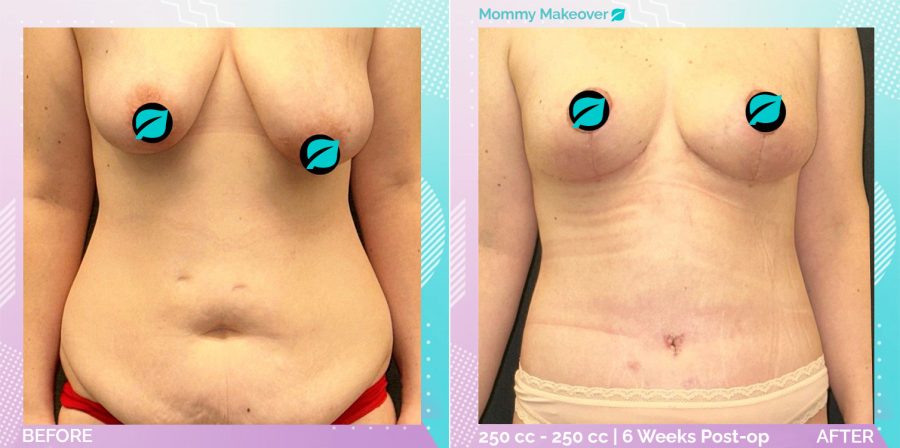
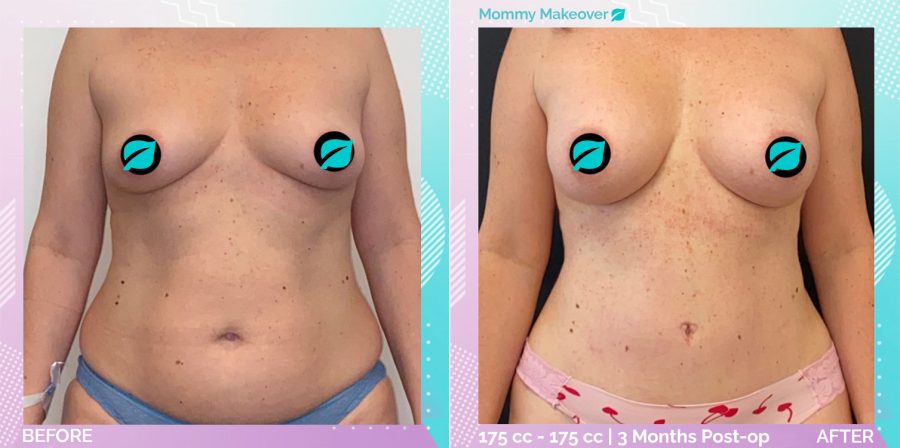
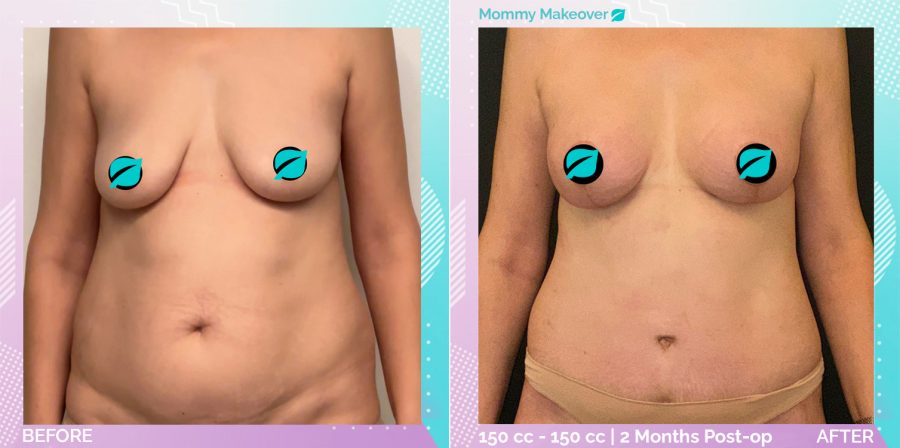
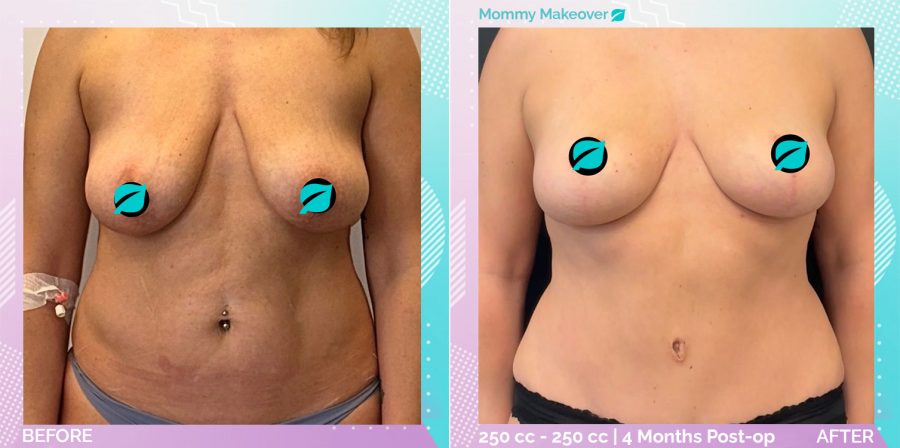
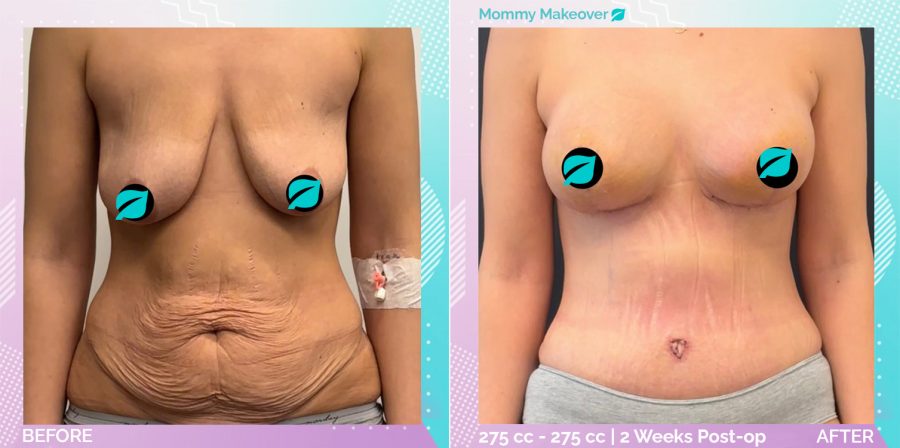
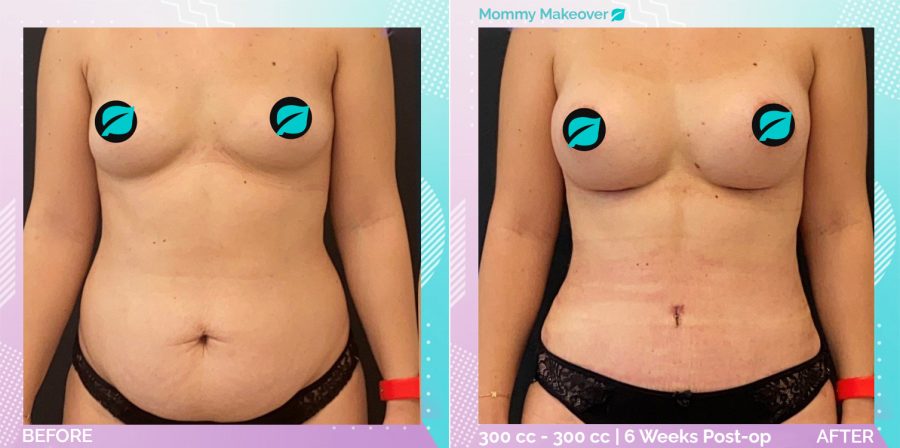
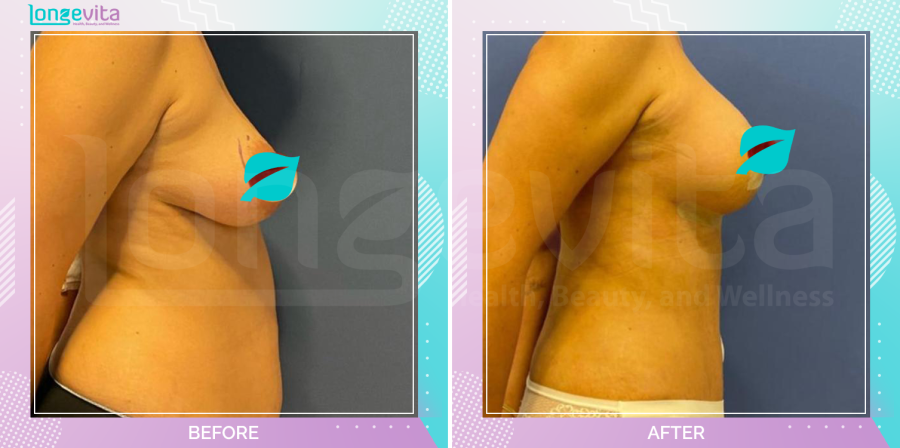
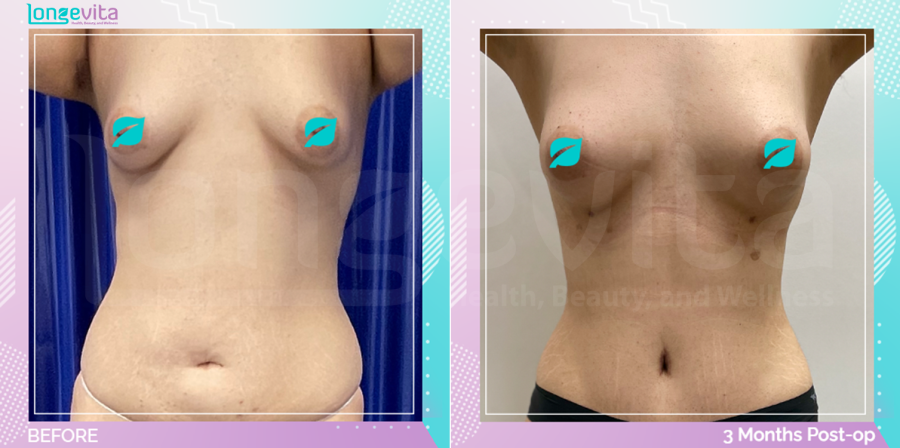
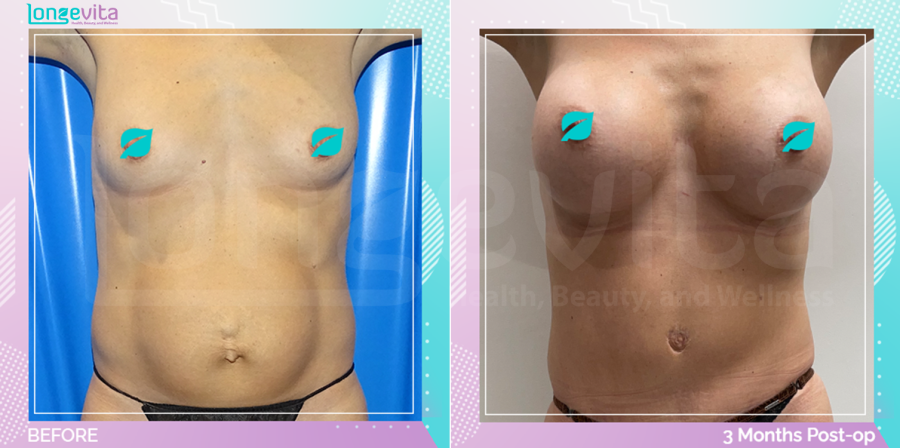
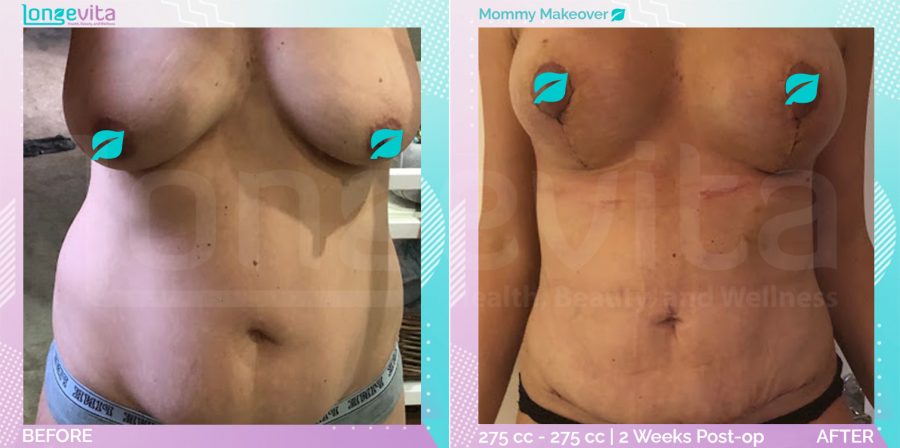
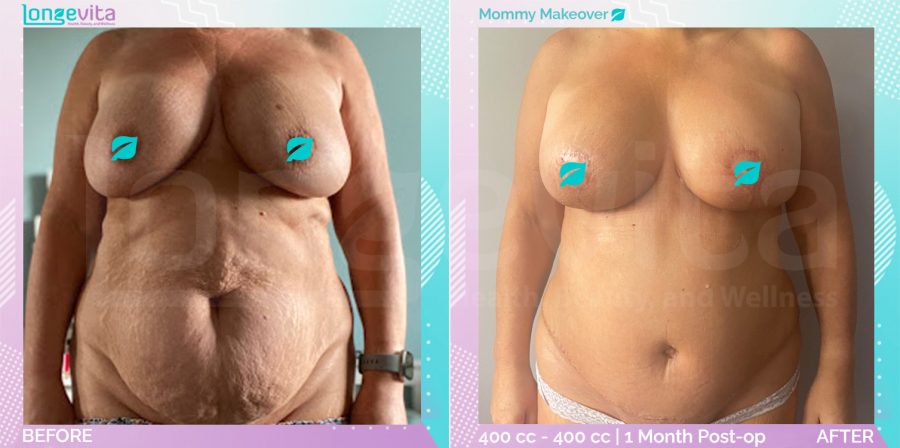
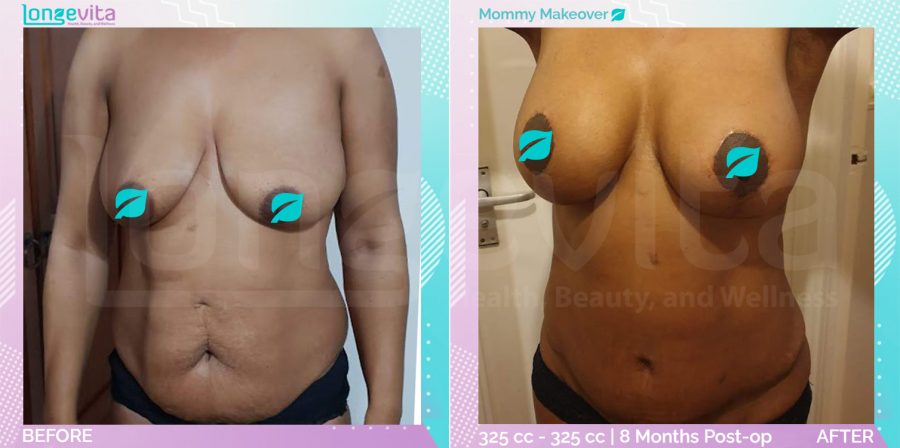
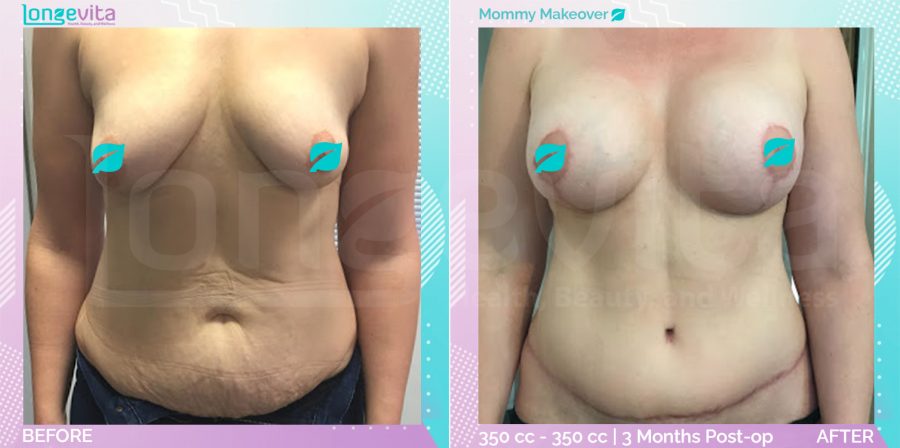
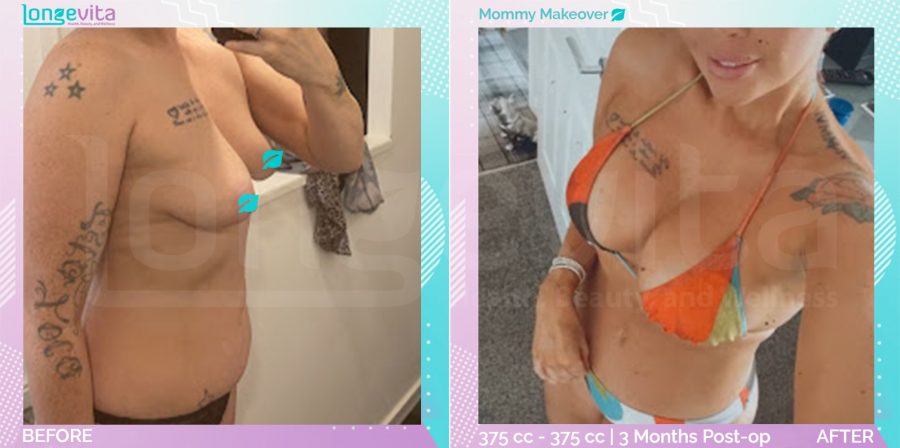
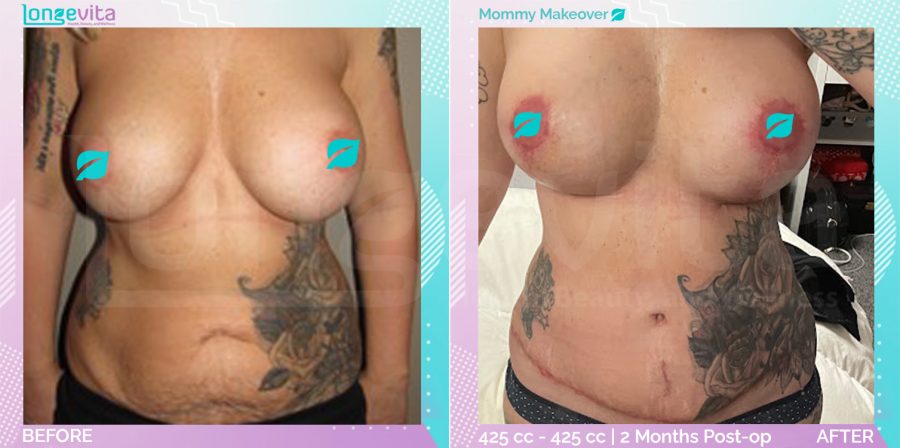
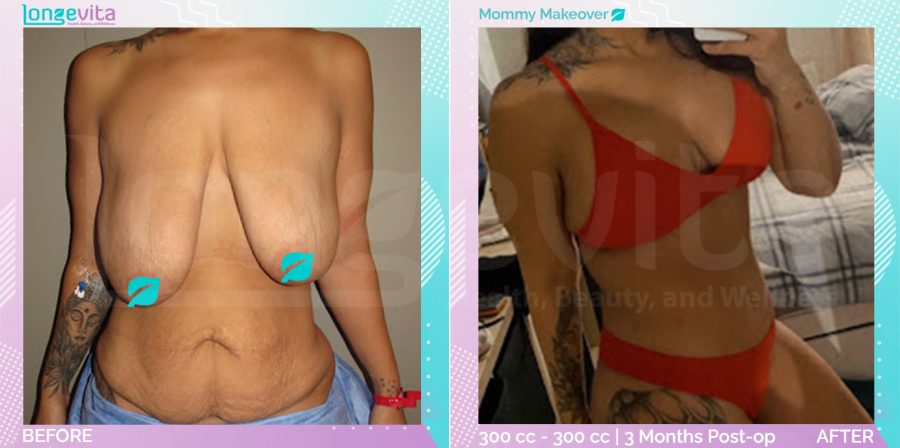
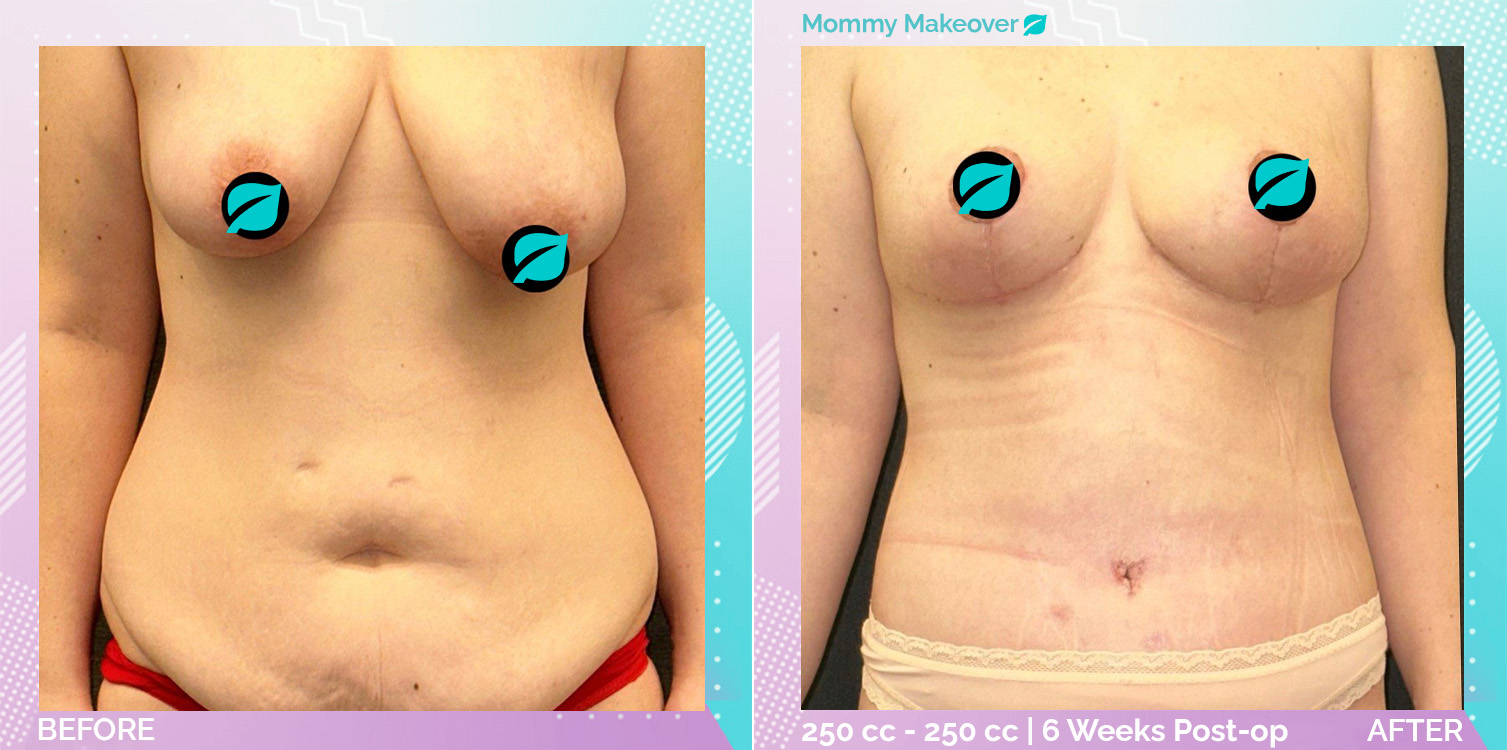
Tummy Tuck in Turkey Before and After Photos
A tummy tuck can provide long-lasting results, but its effects may change over time due to weight fluctuations, pregnancy, aging, or lifestyle factors. Individual outcomes vary, so maintaining a stable weight is key.
Case Overview
Case Overview
Case Overview
Case Overview
What our Patients Say
Don’t take our word for it – see for yourself what patients say about their experience!
How Much is a Tummy Tuck in Turkey?
On average, a tummy tuck in Turkey can cost around £3,000, but the prices can vary depending on the type of tummy tuck as well as the qualifications of the medical team.
It is still significantly more affordable than in the UK, where the same procedure is priced at around £7,000 and up. Since it’s typically a cosmetic procedure, you’re unlikely to get it on the NHS or have it covered by private insurance.
With Longevita, you can get a mini tummy tuck in Turkey for £2,400 and a full tummy tuck for £2,750.
Frequently asked questions
Is it safe to have a tummy tuck in Turkey?
While no surgery is without risks, with an experienced and board-certified plastic surgeon, you can safely have a tummy tuck in Turkey. Make sure the independent service provider you choose offers post-treatment support. And before that, check the before-and-after photos of the independent clinician’s previous clients to see how their results look.
Can a hernia be fixed with a tummy tuck?
It is possible to get a hernia repair procedure with a tummy tuck but keep in mind that these are two separate surgeries.
Are the surgeons performing my tummy tuck board-certified?
Yes. The independent clinicians arranged through Longevita for tummy tuck procedures are certified by the Turkish Society of Aesthetic Plastic Surgery, the International Society of Aesthetic Plastic Surgery, and the Turkish Society of Reconstructive Microsurgery.
Can you have a baby after a tummy tuck?
A tummy tuck will not affect your ability to get pregnant. Therefore, you can have a baby after this surgery. But keep in mind that it can impact the outcome of your procedure.
Are tummy tuck scars permanent?
While incision scars from a tummy tuck are permanent, normally, they will fade over time, so they will become less and less noticeable. A good surgeon will also take care to create incisions in those areas that can be easily hidden underneath clothes.
Is it possible to have a tummy tuck and an arm lift at the same time?
Combining a tummy tuck with an arm lift is generally not recommended. A tummy tuck alone can temporarily restrict your physical activity, such as sitting and standing during recovery. As it happens, it is important that you maintain the strength in your arms to avoid placing excessive strain on your body as a whole while continuing to heal optimally.
Can I have a hair transplant and tummy tuck during the same trip?
It is not advisable to have a hair transplant and tummy tuck on the same day. Due to the specific positions you’ll have to be in for each procedure, it’s not a good idea to have them done together.
How soon after a tummy tuck can I safely get a tattoo?
After a tummy tuck, you should wait 6-9 months before getting a belly tattoo. Even so, you should first and foremost consult the treating clinician before getting any kind of tattoo to make sure that it does not interfere with your recovery or affect the final outcome.